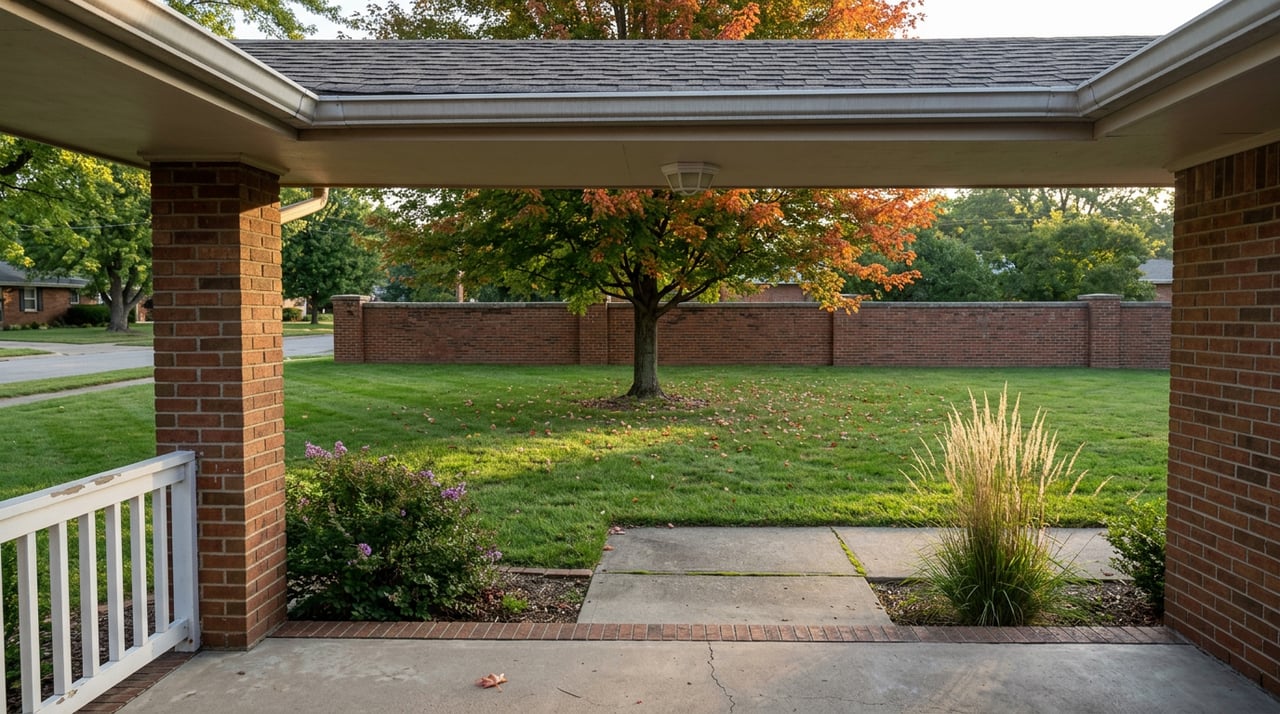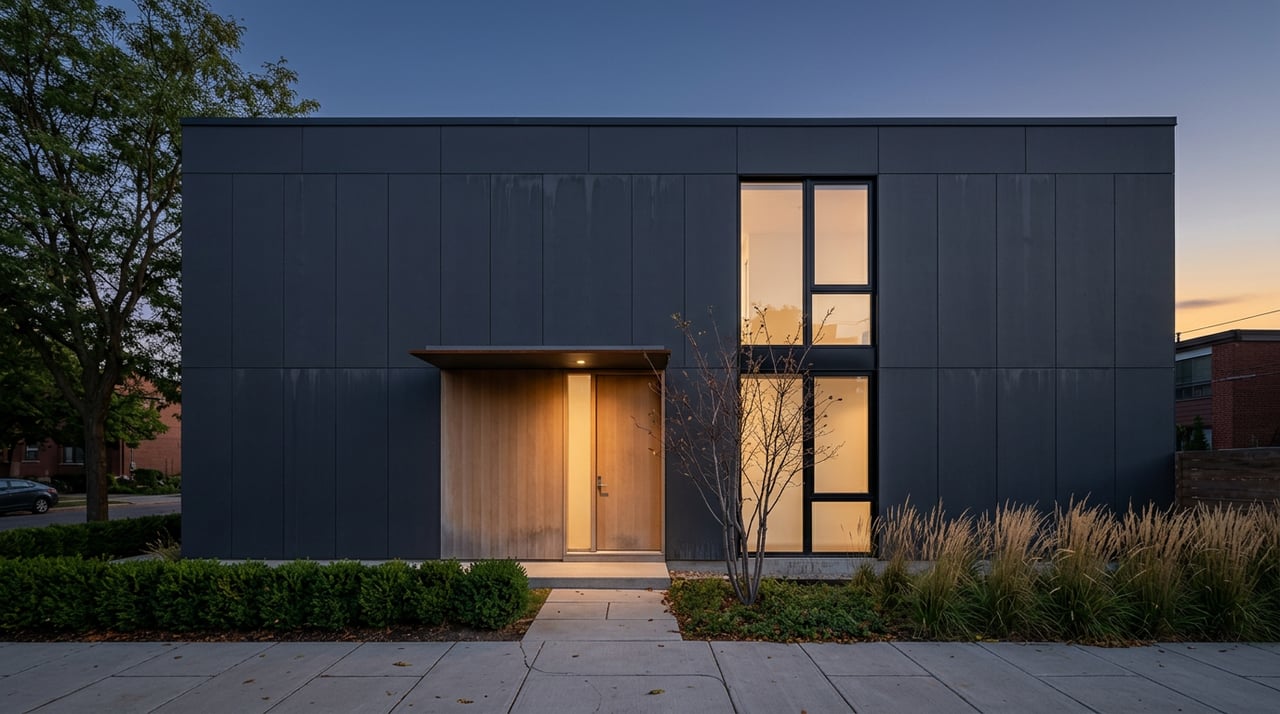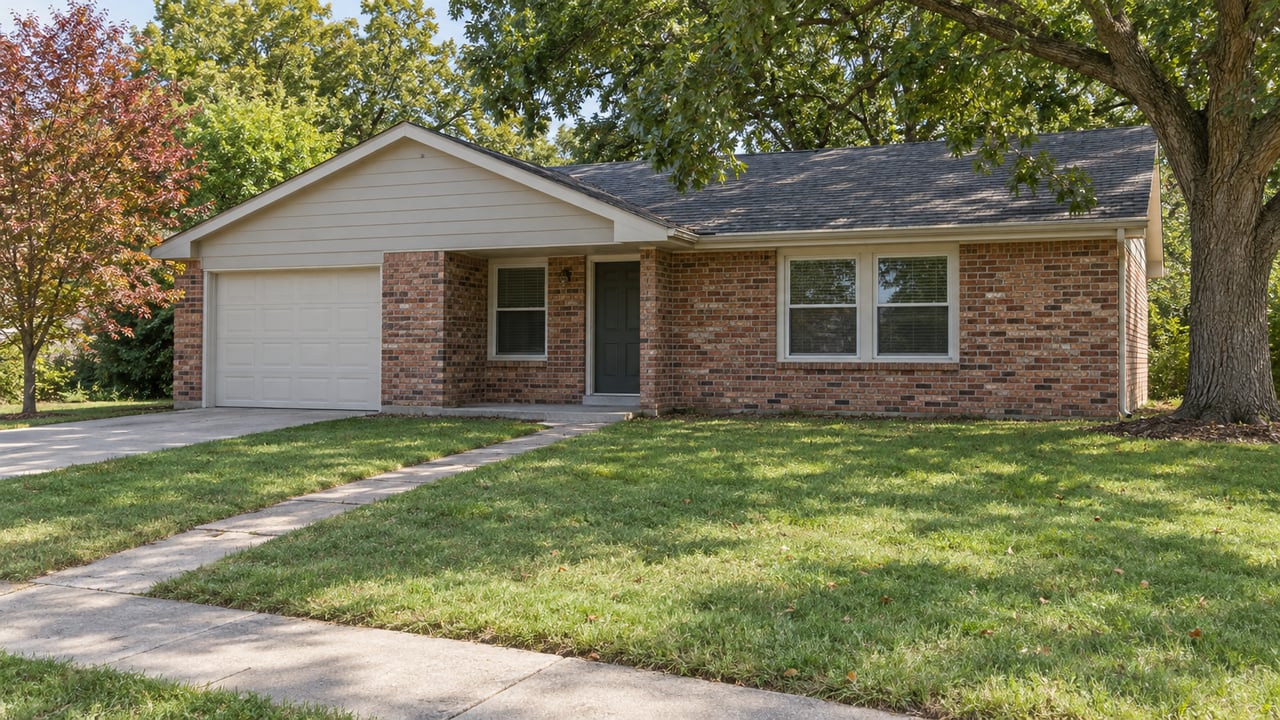
A double lot went up for sale in Historic Olde Town Arvada not long ago, and the listing did not spend much time talking about the house on it. Instead it pitched the property as one of the last buildable lots left in downtown Arvada, a 9,400 square foot parcel with a renovated craftsman sitting on top, marketed to someone with development plans rather than someone looking for a place to live. Two blocks away, brand new condo units at 7357 W Grandview Avenue were closing in the same window for $618,950 to $650,000, offering 953 to 1,150 square feet of finished space and nothing else to figure out.
Both of these count as an Olde Town Arvada home sale. Both feed the same median. And that is the problem with the median.
The Same Zip Code, Two Prices That Don't Agree
In March 2026, Historic Olde Town home sales carried a median price of $330,000, a 37 percent drop from the year before, with homes sitting on the market for 173 days compared to 18 days the previous March. Only three homes sold that month, down from eleven a year earlier. By September 2026, a separate market snapshot put the Olde Town Arvada median at $637,000, with an average sale price of $579,010 and homes moving in 38 days, based on four active listings ranging from $400,000 to $750,000.
Those two numbers are not measuring the same thing, and neither is wrong. When only three or four homes trade hands in a small historic district in a given month, the median stops behaving like a market indicator and starts behaving like a coin flip between whichever properties happened to close. A single legacy bungalow priced for its land can pull the number down by a third. A single new-construction condo closing at list can pull it right back up. The volume in Historic Olde Town is small enough that composition, not demand, decides what the headline number says in any given month.
That composition question, structure versus land, is the whole story here.
What OT-RN Actually Lets You Build
The reason a modest, century-old house in this district can be priced like a development site rather than a home comes down to zoning. Arvada's OT-RN, or Olde Town Residential Neighborhood district, is a mixed use zone that allows multiplex, single-family, duplex, and accessory building forms on the same lot classification. A single-family home on a large parcel in this district is not just a house. It is a house sitting on an entitlement to build more than a house, and buyers with development experience price the entitlement, not the porch.
That is a meaningfully different product than a finished 2026 condo unit at Water Tower Village or a new build on Grandview Avenue, where the price reflects square footage, finishes, and a certificate of occupancy rather than a future construction timeline. One is a place to live today. The other is a place to live today or a project to start tomorrow, and the second option carries a different price logic entirely.
There is a real complication worth knowing before anyone gets too excited about redevelopment math. Arvada's historic overlay for the downtown district requires any modification, addition, or redevelopment on a property zoned Olde Town to first obtain a Certificate of Compliance with the Olde Town Design Guidelines. Multiplex zoning does not mean a fast permit. It means a project that has to clear design review aimed at protecting the historic character of the district before a shovel goes in the ground. The zoning sets the ceiling on what is possible. The design guidelines set the pace at which anyone actually gets there.
The State Legislature Made the Math Better
Two pieces of Colorado legislation from 2024 changed the economics of these lots in ways that are easy to miss if you are only watching Zestimates. Arvada's own land development code page lays out the impact plainly. HB24-1152 requires municipalities to allow one accessory dwelling unit as an accessory use to a single-unit detached dwelling wherever detached homes are already allowed, through an administrative approval process rather than a discretionary one. HB24-1304 restricts cities from setting minimum parking requirements for multifamily and mixed-use residential redevelopment in areas near transit stops, which describes most of Historic Olde Town given its proximity to the G-Line.
Put those together and a lot that used to require a variance fight to add a second unit now has a state mandated path to do it, without a parking requirement standing in the way near the station. For an investor evaluating whether an aging bungalow on a big lot pencils out as a teardown or an ADU addition, that is not background noise. That is the difference between a project that needs a hearing and one that needs a building permit.
Proof the Big Version Already Happened
None of this is theoretical for Arvada. The scale version of this exact redevelopment logic already got built. The Residences at Olde Town Station, a four story, 252 unit market rate multifamily project with two levels of structured parking, broke ground on the transit oriented development site next to the Olde Town commuter station, a site the Arvada Urban Renewal Authority had been positioning since RTD designated the Olde Town station a Gold Line pilot TOD project back in 2011. The project, also referred to locally as The Russell, sits within walking distance of the shops and restaurants that give Olde Town its character, and its completion demonstrated what land near the station is worth once someone commits to building at density rather than preserving a single-family footprint.
That project is the large scale version of the same math now playing out one lot at a time on streets like Grandview Avenue and Balsam Street, where individual owners of older homes on oversized parcels are weighing the same question the Urban Renewal Authority already answered at nine acres: is this worth more as a house, or as a site.
What This Means If You're Comparing Two "Similar" Listings
If you're looking at two Olde Town Arvada listings with similar list prices, the square footage and the year built will tell you less than these questions will.
- Is the lot size meaningfully larger than its neighbors, and does the listing language mention development potential, buildable lot status, or multi-unit zoning rather than kitchen finishes and closet space?
- Does the property fall inside the historic overlay boundary, which means any redevelopment plan has to clear a Certificate of Compliance with the Design Guidelines before it clears anything else?
- Is the comparable sale you're using a finished new-construction unit, or a legacy home whose price reflects what could be built there rather than what currently stands?
- How long has the specific listing actually been on market, since a single home sitting for 173 days can distort a monthly median in a district this small, in either direction?
None of these questions have a universally right answer. A buyer looking for a place to live wants the finished condo with a known price per square foot. A buyer thinking several years out might want the bungalow with the double lot and the OT-RN zoning, understanding that the design review process will decide the timeline, not just the zoning code. Both are legitimate ways to buy in this neighborhood. The mistake is comparing their prices as if they were the same purchase.
The median will keep swinging in a district this size, and that swing is not a signal to wait for stability. It is a reminder to ask what specific product sold last month before drawing any conclusion from the number attached to it.
If you are weighing a purchase in Olde Town Arvada, or trying to price a legacy home you already own there, it helps to have someone walk the comps with you rather than take the headline median at face value. Dianne Goldsmith has spent 25 years reading Denver-area listings the way this neighborhood actually requires, lot by lot. Reach out for a free home valuation and get a read on what your specific property, and its zoning, is actually worth.