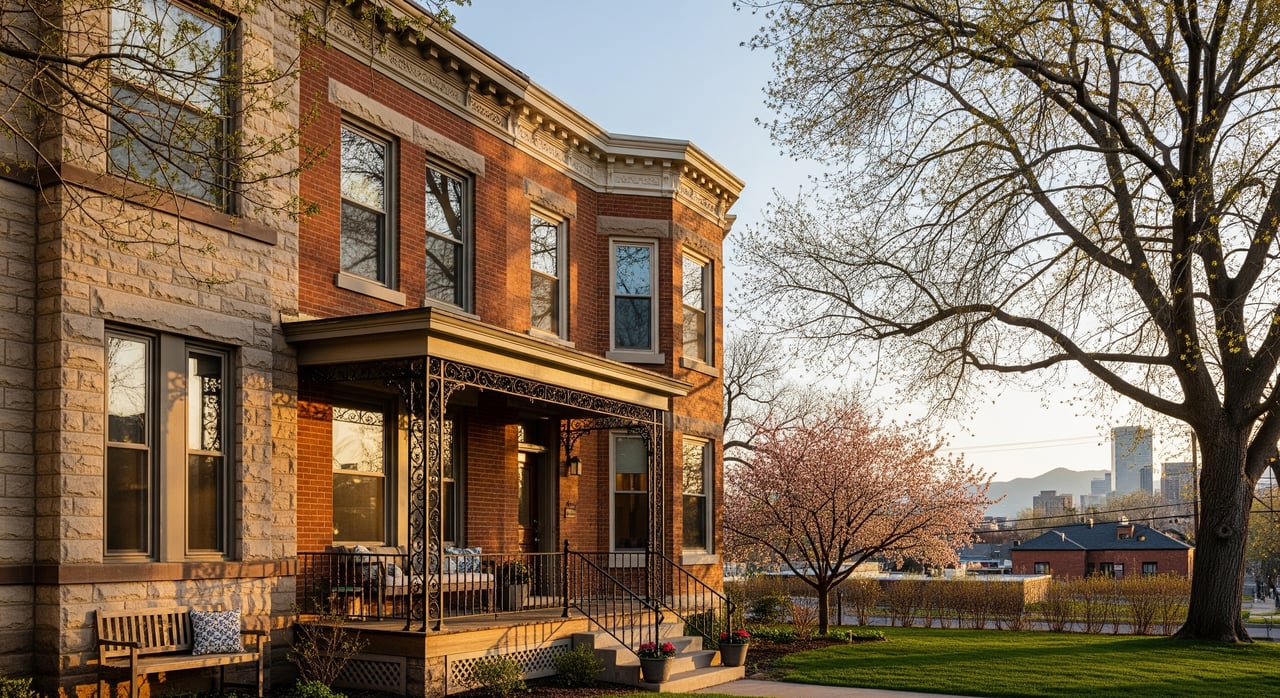
Thinking about selling your Congress Park or 7th Ave Historic District home, but not sure when to list? You’re not alone. Timing can shape your days on market, your showings, and your final price. In this guide, you’ll learn how Denver’s seasonal rhythms work, what’s unique about Congress Park and 7th Ave, and how to prep and price for the months that bring the most buyers. Let’s dive in.
Why timing matters in Congress Park
Denver’s housing market follows a clear seasonal pattern. Buyer activity typically builds in late winter, peaks in spring and early summer, and cools through late fall and the holidays. Congress Park and the 7th Ave Historic District see the same cycle. In spring, more buyers are searching, visiting open houses, and writing offers.
You can use this momentum to your advantage. With the right preparation and an on-point price, your listing can capture more traffic and better offers. If you need to sell off-peak, you can still succeed with a strategy that matches the season.
Denver’s seasonal pattern at a glance
- Peak activity: March through June, with solid momentum often lasting into early fall.
- Slower months: Late fall and winter, when holidays and weather reduce showings and extend days on market.
- What this means for you: Spring listings often move faster and attract more attention, while winter listings can face longer timelines but less competition from new listings.
These trends reflect national seasonality and align with recent Denver Metro Association of REALTORS market reports. The takeaway is simple: align your prep and price with buyer momentum to get the best result.
Congress Park and 7th Ave nuances
Congress Park and the 7th Ave Historic District have features that influence how buyers shop and how you should prepare:
- Urban convenience: Proximity to Cherry Creek, downtown, parks, and schools attracts a wide range of buyers. This helps demand stay relatively steady year-round, with a clear boost in spring.
- Historic considerations: If your property sits in the 7th Ave Historic District and you plan exterior work, you may need to engage Denver Landmark Preservation for review. Build time into your prep plan for design and permits.
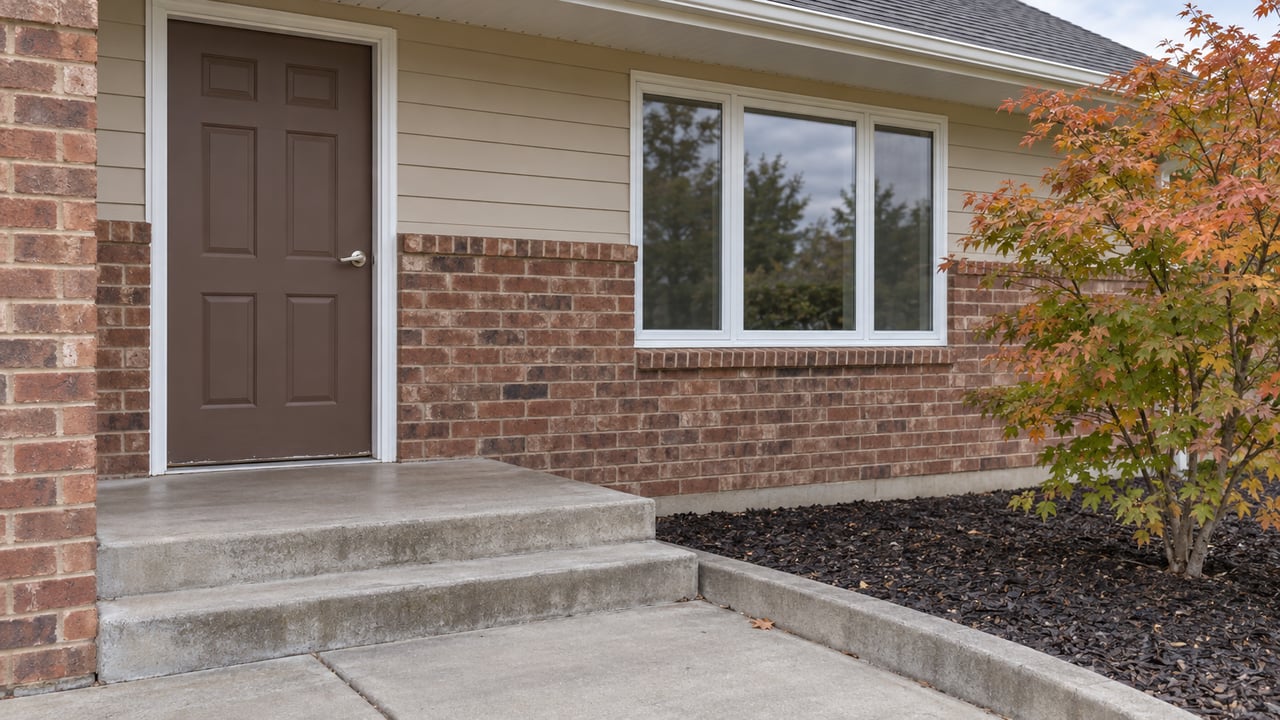
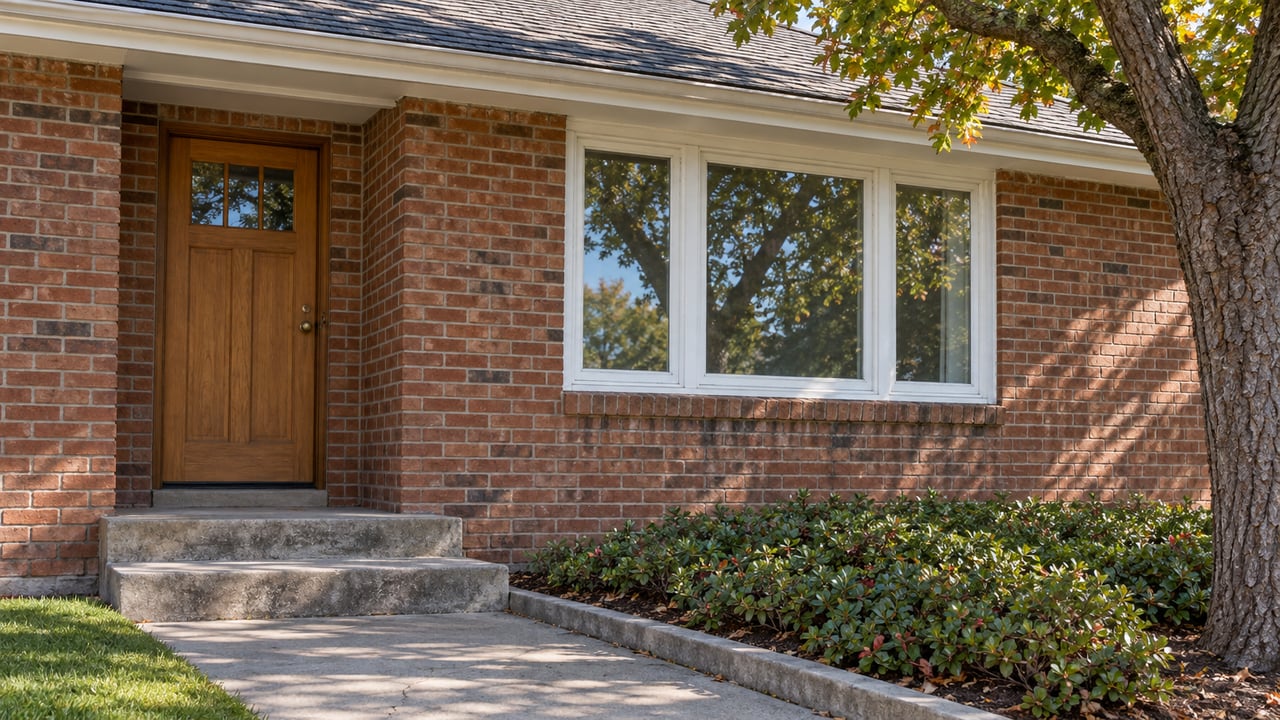
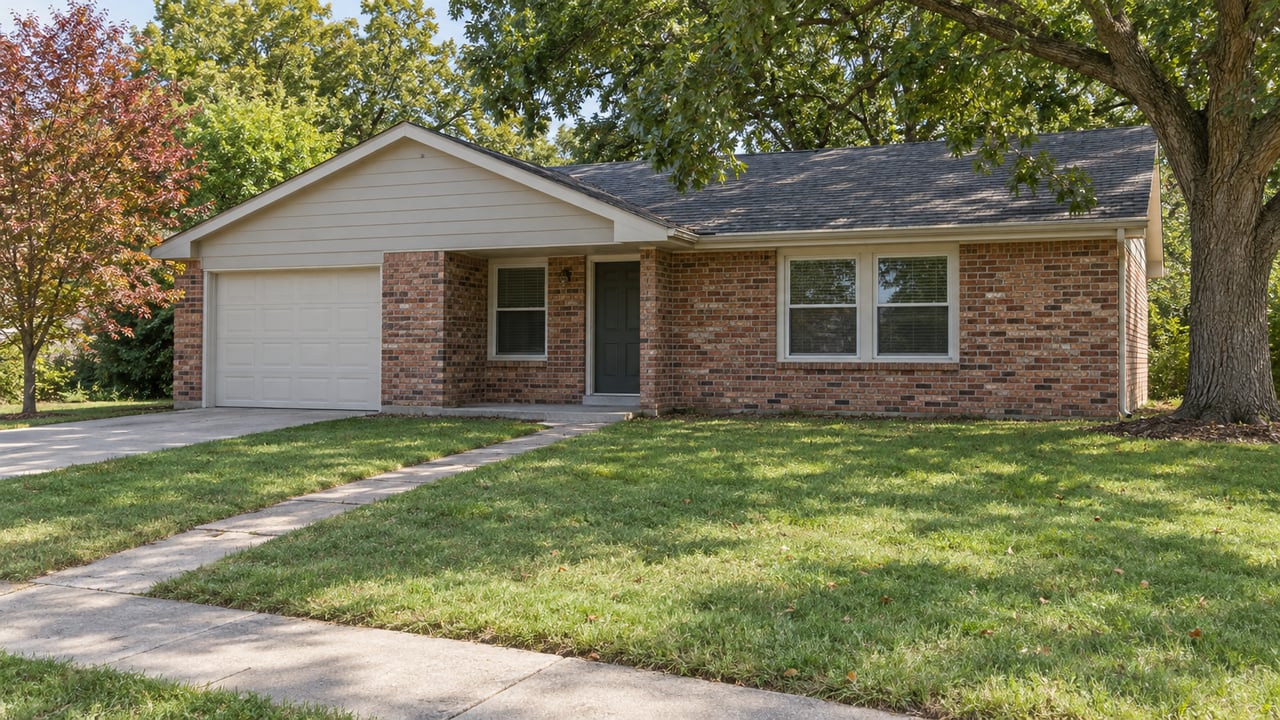
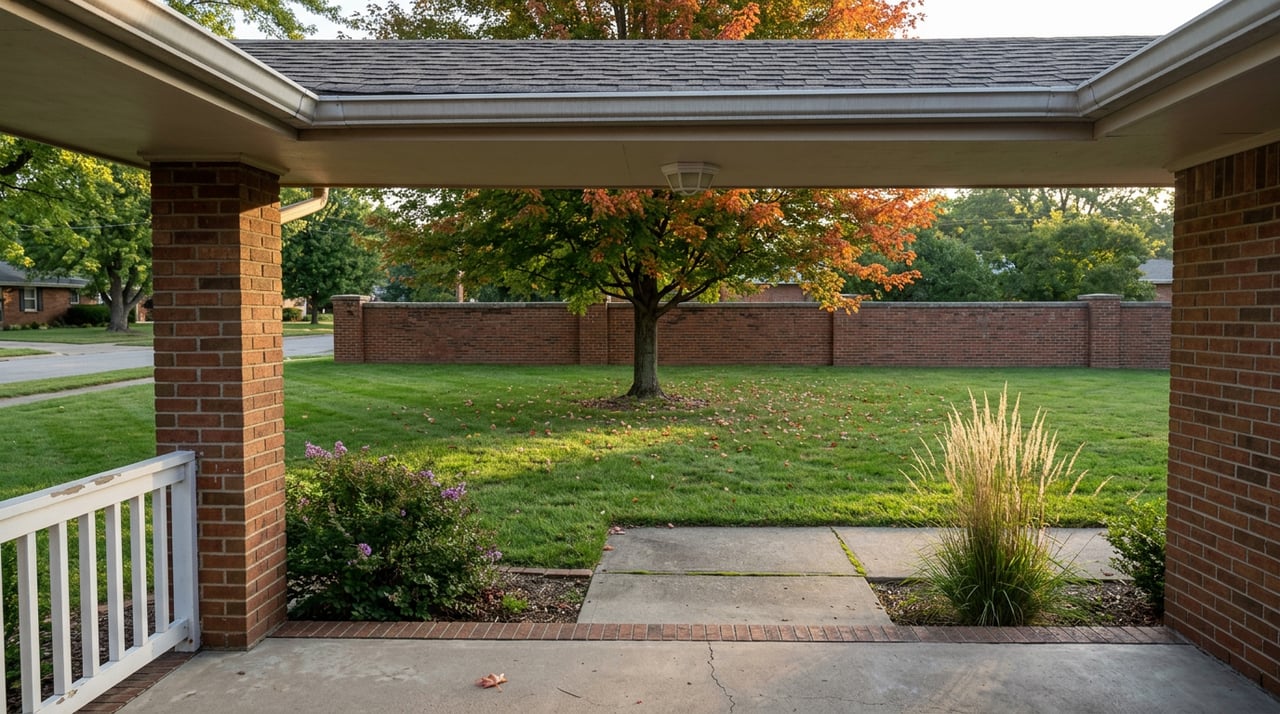
- Curb appeal matters: Walkability means buyers often discover homes from the street. Fresh landscaping, a tidy porch, and well-maintained exteriors make a big difference.
- Practical must-haves: Street parking rules, snow removal routines, and permit parking are common questions. Gather and present this information up front.
The best months to list
- Spring (March to June): This is your peak window. Expect more showings, faster offer timelines, and a higher chance of multiple offers. Inventory also rises, so your presentation and pricing need to stand out.
- Summer (July to August): Still active, but vacations can thin buyer traffic at times. Homes that missed spring may price more competitively to re-energize activity.
- Early fall (September to October): Motivated buyers return and inventory can tighten. Shorter daylight and school schedules can compress showing windows.
- Late fall and winter (November to February): Fewer showings overall. The positives are serious buyers and less competition from new listings. Plan for longer market time and make your marketing shine.
If you want a single answer for “best month,” spring is usually your top choice. The exact sweet spot can shift year to year based on interest rates and how much inventory hits the market.
Your 3 to 12 month prep plan
A strong sale starts long before you go live. Use this timeline to get market-ready without last-minute stress.
6 to 12 months out: big-picture planning
- Map your project list: Roof, HVAC, electrical, and water-related fixes first.
- Plan larger updates: Kitchen refresh, bath updates, or exterior improvements that may need design and permits.
- Historic review: If exterior changes are planned in 7th Ave, consult preservation guidelines early to understand timing.
- Landscape upgrades: Hardscape, irrigation, and front yard improvements take time but pay off in spring photos.
3 to 6 months out: polish and present
- Maintenance and safety: Service HVAC, address leaks, and repair known issues.
- Curb appeal: Prune, mulch, refresh paint at the entry, and tune up lighting.
- Interior refresh: Declutter, deep clean, neutral paint in high-impact rooms, and update hardware and light fixtures.
- Pre-list inspection: Consider one if you want to disclose proactively or price with clarity.
- Document kit: Utility bills, HOA info (if applicable), permits for past work, and a list of recent improvements.
- Pricing consult: Align your target list month with a pricing strategy that meets the season’s demand.
2 to 4 weeks out: launch readiness
- Professional staging: Focus on layout, light, and scale to highlight space and character.
- Photography and media: Book photos on clear days; capture exterior when landscaping looks its best. Floor plans and a virtual tour can boost engagement.
- Open house plan: Schedule for the first 1 to 2 weekends to maximize early momentum.
Pricing that matches buyer momentum
Your pricing strategy should reflect the season and the competition you expect to face.
- Peak season pricing: Listing at true market value, or just below a round-number threshold, can drive more showings and encourage strong early offers.
- Off-peak pricing: Consider a more competitive list price or incentives, and be ready for a longer timeline. Flexible closing terms can help widen your buyer pool.
- Historic or unique homes: These listings attract specific buyers. In spring, broader traffic helps you find the right match faster. In slower months, emphasize the home’s character and stewardship in your marketing.
Marketing moves that matter
Your first two weeks on the market are critical. Make them count.
- Visuals first: Professional photos, compelling copy, floor plans, and a virtual tour should be live on day one.
- Showings strategy: Prioritize weekend open houses in spring. Consider evening showings in summer to reach after-work buyers.
- Targeted messaging: Highlight historic features and thoughtful updates. Promote walkability, park access, and proximity to key districts to attract Congress Park buyers.
- Early energy: Concentrate advertising and outreach during the first 7 to 14 days when curiosity is highest.
What to expect once you list
- Showings and traffic: Spring listings often see faster and higher traffic. Winter listings move slower, so set expectations and plan for a longer window.
- Offer timing: In high-demand months, offers can arrive during the first week. Off-peak listings may need more showing cycles before strong offers appear.
- Negotiation dynamics: Strong seasons can give you more leverage on contingencies and timelines. Slower seasons may involve more negotiation on price or terms.
- Mortgage rates: Rate shifts affect every season. Rising rates can trim buyer budgets and lengthen days on market. Lower rates can energize demand.
Common mistakes to avoid
- Missing the spring window because prep started too late. Start early so you can list when buyer activity peaks.
- Overpricing based on a hot headline rather than current comps. Use a data-driven price that fits the month you are listing.
- Ignoring exterior rules for historic properties. Get clarity on what needs review so you do not delay your launch.
- Skipping curb appeal in a walkable neighborhood. Street-first impressions matter in Congress Park.
- Poor launch execution. Going live without strong media, staging, and a clear plan can cost you your best two weeks.
A simple action plan by season
Listing in March to June
- Be photo-ready with fresh landscaping and strong staging.
- Price at market value to spark early activity and potential multiple offers.
- Host open houses during your first two weekends.
Listing in July to August
- Expect some vacation slowdowns and adjust your marketing cadence.
- Consider twilight or evening showings.
- Keep pricing sharp if many spring leftovers are on the market.
Listing in September to October
- Lean into motivated buyers and potentially lower inventory.
- Be flexible on showing times to work around school schedules and daylight.
- Refresh yard and entry for fall curb appeal.
Listing in November to February
- Highlight serious-buyer benefits and reduced competition.
- Plan for longer days on market and protect your first two weeks with standout marketing.
- Keep sidewalks safe and clear. Schedule photos on the brightest winter day available.
Put your plan in motion
If you are 3 to 12 months from listing, the smartest move is to sync your prep with the right launch month. A short strategy session can align repairs, presentation, pricing, and timing so you hit the market with confidence. When the season is on your side, you feel it in the showings and in the offers.
If you are ready to talk through timing in Congress Park or 7th Ave, reach out to Dianne Goldsmith for a local pricing review and a custom prep plan. Get your free home valuation and a timeline that fits your goals.
FAQs
What is the best month to sell a home in Congress Park?
- Spring months, typically March through June, see the most buyer traffic and faster sales. Exact timing can shift with interest rates and inventory.
How far in advance should I prepare my 7th Ave Historic District home?
- Plan 6 to 12 months ahead for exterior work that may need historic review, and 1 to 3 months for cosmetic updates, staging, and photography.
Does listing in winter hurt my sale price in Denver?
- Winter listings often see fewer showings and longer timelines, but less competition can help. Strong marketing and competitive pricing are key.
How do interest rates affect my sale in Congress Park?
- Rising rates can reduce buyer budgets and extend days on market; lower rates typically expand demand. Pair timing with a data-driven price.
Should I do a pre-list inspection before selling?
- A pre-list inspection can surface issues early so you can disclose, repair, or price accordingly, leading to smoother negotiations.