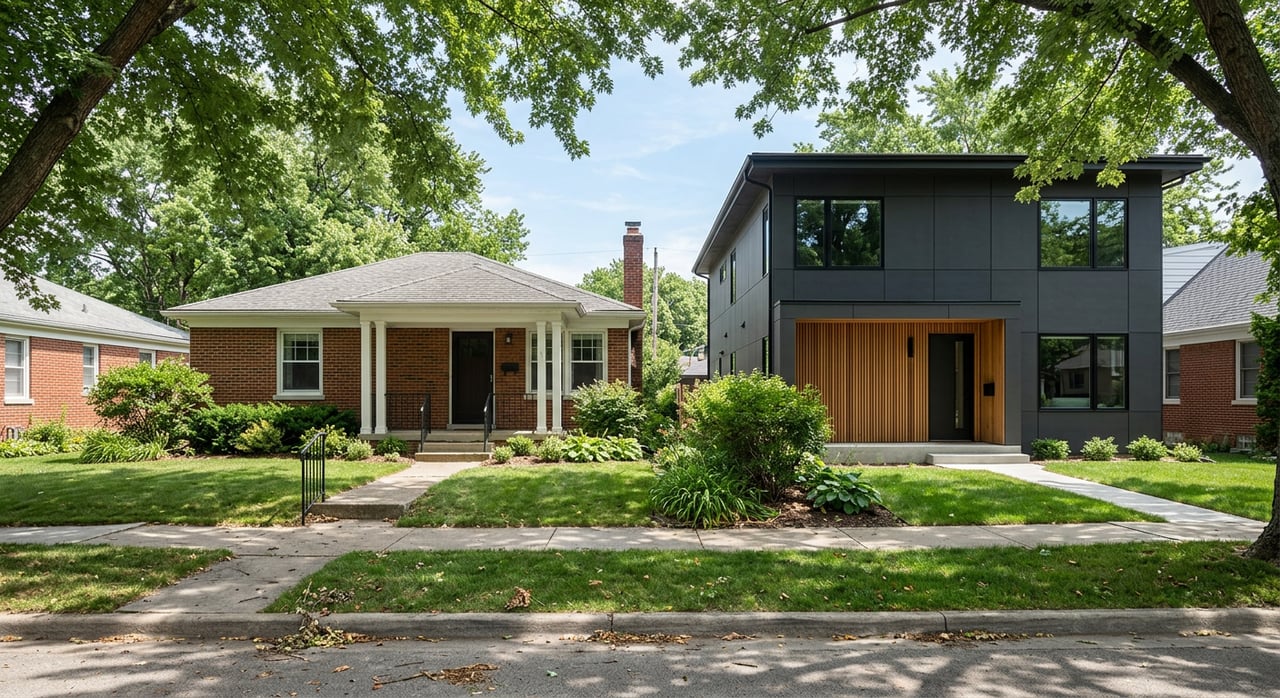
Trying to choose between a sleek new build and a classic bungalow around Sloan’s Lake? You are not alone. This neighborhood blends early 1900s charm with modern infill, so the right fit depends on how you live, what you value, and how you plan to maintain your home. In this guide, you will compare layouts, energy costs, maintenance, inspections, and financing options so you can move forward with confidence. Let’s dive in.
Sloan’s Lake at a glance
Sloan’s Lake sits on Denver’s northwest edge, with the lake and park as its anchor. The area mixes early twentieth‑century homes with a growing wave of condos, townhomes, and small‑lot new builds, especially near the water and along Sheridan and 17th. For neighborhood history and context, explore the Denver Public Library’s overview of Sloan’s Lake’s long‑standing identity and growth patterns in this neighborhood guide.
Market prices vary month to month and by data source. As of January 2026, some local snapshots placed the neighborhood’s median sale price around the high six figures, about $878,000, though methodologies differ. When you compare homes, use recent, like‑for‑like comps and always date your pricing.
What you see on day one
Classic bungalow traits
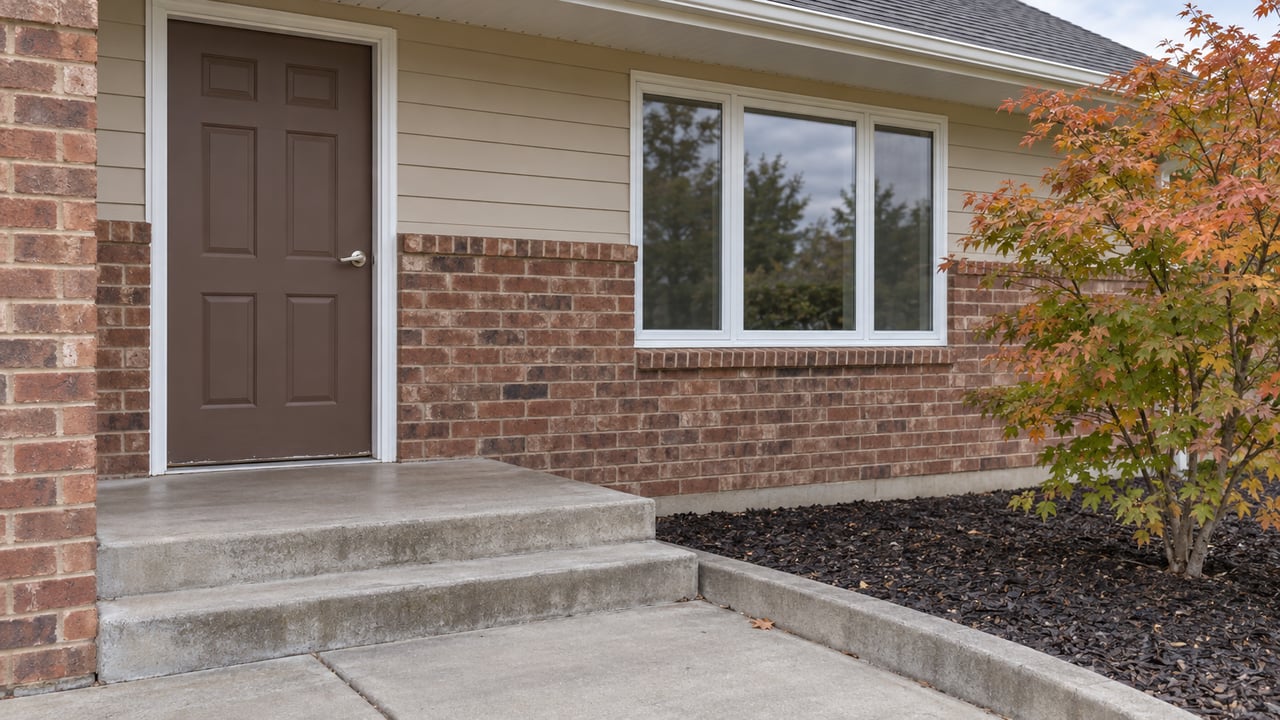
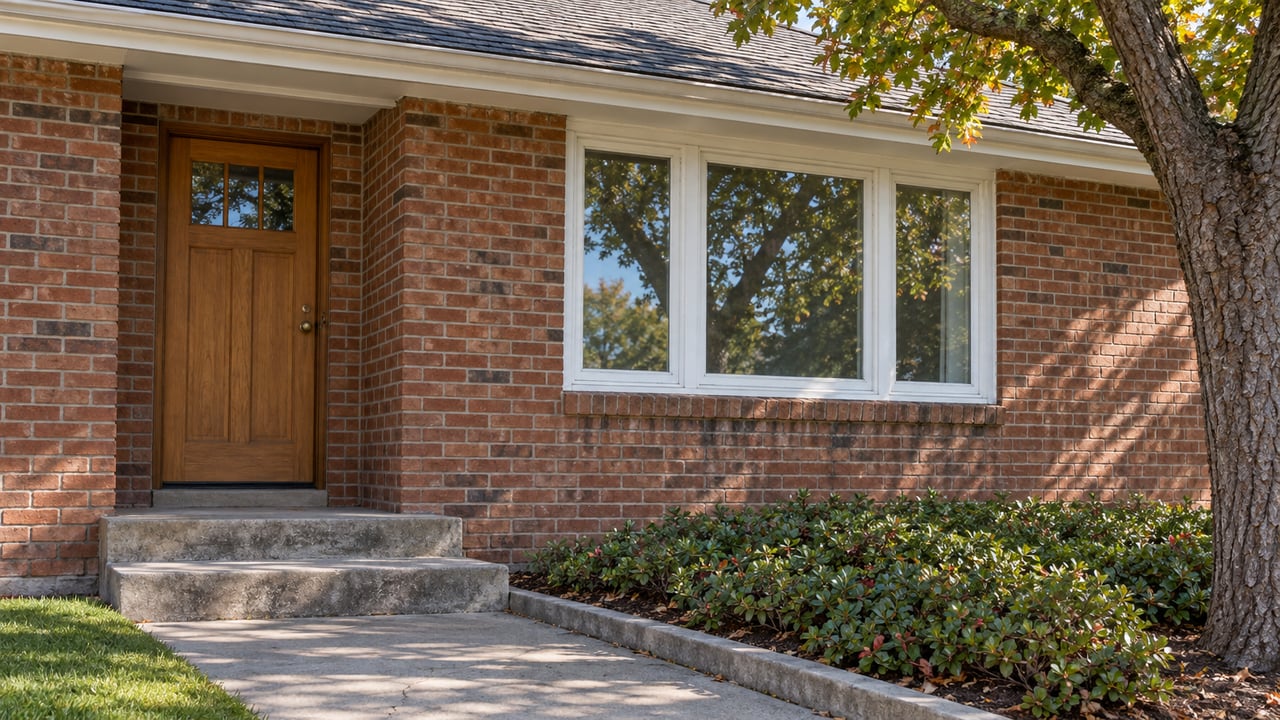
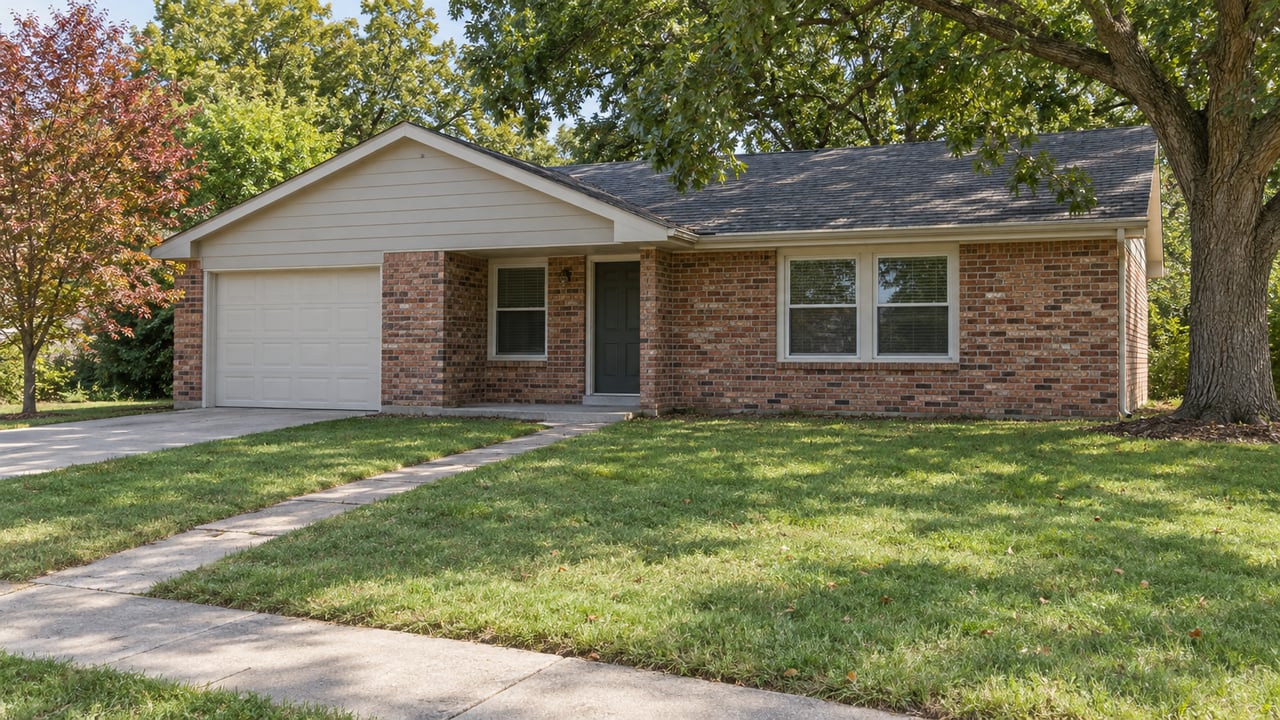
Bungalows in Sloan’s Lake are typically one to one‑and‑a‑half stories with low‑pitched gables, wide eaves, and a welcoming front porch. Inside, you often find defined rooms, original wood trim, built‑ins, and fireplaces. These are hallmarks of Craftsman and bungalow styles common in Denver’s early neighborhoods, as outlined in this Craftsman style guide.
Functionally, older footprints can mean smaller kitchens, fewer bathrooms, and less built‑in storage. You get character and a human‑scale streetscape, but you may trade off closet space, convenient bath counts, or easy attic access.
New construction traits
New builds near the lake tend to feature open‑plan living, larger kitchens with islands, higher ceilings, and big windows for natural light. Many include multiple en suites, attached garages, and smart storage. Builders typically standardize finishes and include warranties. For a feel of the product type nearby, browse a representative new community like The Scene at Sloan’s Lake.
Outside, newer homes and townhomes can feel denser, with smaller private yards and more emphasis on rooftop decks or shared courtyards. If you are looking at condos or townhomes, plan for HOA‑managed exteriors and monthly fees that shift some upkeep from you to the association.
Space, storage, and layout
Daily living tradeoffs
- Bungalows: Defined rooms can create cozy separation, but kitchens and closets may feel tight by today’s standards. Smart renovations can open sightlines or add storage, yet you will be working within a historic footprint.
- New builds: Open layouts are great for entertaining and day‑to‑day flow, with ample cabinets and pantry space. Vertical, multi‑level plans can add stairs to your daily routine, which some buyers love and others prefer to avoid.
Yards, porches, and street feel
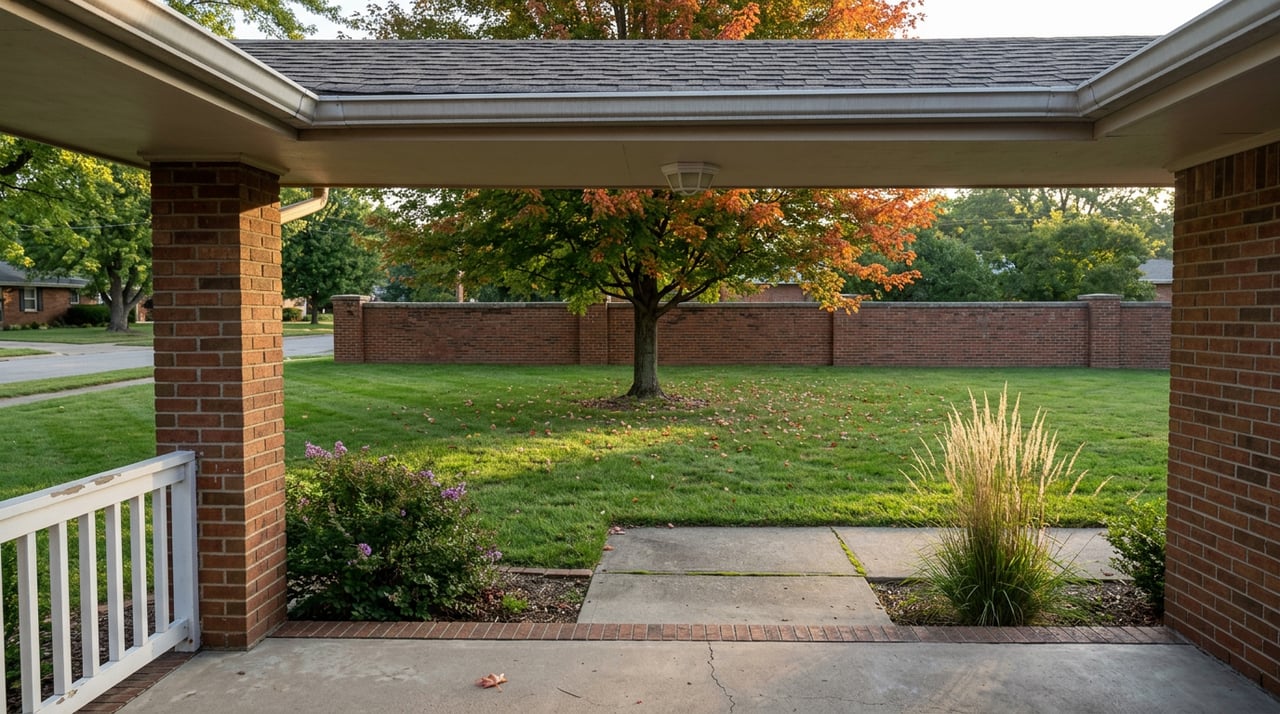
- Bungalows: Prominent front porches and mature trees shape the streetscape. If you value a larger private yard and porch sitting, this format shines.
- New builds: Private outdoor space may be smaller, but you often gain rooftop decks with views and low‑maintenance landscaping. Early street trees in newer pockets may feel younger than on established blocks.
Maintenance and energy costs
Budgeting for upkeep
A common rule of thumb is to plan for 1 percent to 4 percent of your home’s value per year for maintenance and repairs, on average over time. Newer homes may trend on the lower end, while older homes can hit the higher end or see bigger one‑time projects. This is a planning heuristic, not a guarantee. See a concise overview of this budgeting approach here.
Older home repairs to plan for
Vintage homes around Sloan’s Lake can need roof work, plumbing and electrical updates, and attention to basements or foundations. Costs vary by scope and contractor selection. If you are assessing an older bungalow, factor these systems into your inspection and reserve plan.
Energy code advantage for new builds
Colorado directed cities to adopt stronger energy standards in recent cycles, and Denver’s code updates incorporated the 2021 International Energy Conservation Code for residential projects. In practice, that means modern new builds are typically tighter and better insulated, with efficient HVAC and code‑driven features that reduce utility usage compared with most unretrofitted bungalows. You can read about the state policy backdrop in Colorado’s HB22‑1362 here.
Local rebates for electrification and heat pump upgrades have been active and sometimes fully subscribed in recent years, and federal incentives changed in 2025. Before you count on a specific dollar amount, confirm current programs and timing with the City and utility. Start with Denver’s overview of home electrification rebates on this page.
Renovating a bungalow: a practical path
Common upgrades that move the needle
If you love a bungalow but want better performance, target upgrades that deliver comfort and savings:
- Attic insulation and air sealing
- Targeted window improvements
- Duct sealing or ductless heat pumps (cold‑climate mini‑splits)
- High‑efficiency or heat‑pump water heater
- LED lighting and efficient appliances
Local rebate programs and contractor bids will shape your payback timeline. Denver’s electrification resource page outlines current steps and options for owners here.
Financing options for renovations
You can combine purchase and renovation costs into one loan:
- Fannie Mae HomeStyle Renovation. A conventional product that can finance a wide range of projects, from structural to cosmetic, including energy upgrades. Learn more about program basics from Fannie Mae.
- FHA 203(k). Available in Limited or Standard versions, this FHA loan supports small to medium rehabs with defined rules, draws, and inspections. It can be helpful if you prefer a lower down payment and structured oversight. See an overview of 203(k) options here.
Lenders and appraisers may use either an as‑is or as‑completed value, which affects maximum financing and down payment. Renovation timelines, contractor oversight, and permits will apply, so plan ahead.
Monthly cost check: HOA and utilities
Newer condos and townhomes often come with HOA fees that cover exterior maintenance, amenities, and sometimes utilities or insurance lines. That can reduce surprise repairs but adds a monthly line item. Single‑family bungalows skip the HOA fee, but you will shoulder exterior upkeep directly. Compare your total monthly outlay, not just the mortgage.
Inspections and due diligence
If you are leaning bungalow, a thorough inspection set is essential. Even with newer homes, these steps add peace of mind.
- Full general home inspection that reviews structure, roof, foundation, and moisture.
- Electrical evaluation to identify older wiring types or undersized panels.
- Plumbing inspection and sewer scope, especially if original lines may remain.
- Radon test during escrow. Mitigation is common in Colorado when levels exceed the EPA guideline of 4.0 pCi/L. Find the EPA’s radon context in this document.
- Lead‑based paint disclosure for pre‑1978 homes and lead‑safe work practices during renovation. Review the EPA program overview here.
- HVAC evaluation that checks age, refrigerant type, and duct condition. Also review permit history for prior remodels.
A clean inspection report on an older home can be a strong value signal, especially when compared to a slightly higher‑priced new unit with an HOA.
Which fits you? A quick checklist
- Choose newer construction if you want low near‑term maintenance, a modern open layout, energy‑efficient systems, and builder warranties. Expect HOA fees on condos and townhomes, and factor them into your monthly budget. See a representative local new‑build product here.
- Choose a classic bungalow if you prefer character, a welcoming front porch, a larger private yard, and mature street trees. Plan an inspection and a reserve for likely system updates, and consider targeted performance upgrades using current rebates.
- On a tighter upfront budget but willing to renovate? Explore HomeStyle Renovation or FHA 203(k) financing so you can buy the location and character you want, then complete improvements with one combined loan. Program details are available from Fannie Mae and FHA‑focused resources.
How to shop Sloan’s Lake smart
- Compare like for like. Bedroom and bath count, finished basement, garage, and lot size move value, not just age.
- Date your comps. Prices can shift quickly. Use the most recent, relevant sales, and note that short‑term market snapshots vary by source.
- Map location premiums. Proximity to Sloan’s Lake Park, walkability to local amenities, and block‑by‑block streetscape all influence appeal.
- Weigh ownership costs. Balance a higher purchase price on a new build against lower near‑term maintenance and better energy performance, versus a potentially lower entry price for a bungalow plus a realistic upkeep plan.
Ready to talk through your options, see tailored comps, or plan a smart renovation strategy? Connect with Dianne Goldsmith for local guidance shaped by 25+ years serving Sloan’s Lake and central Denver.
FAQs
What makes Sloan’s Lake unique for new builds vs bungalows?
- The neighborhood mixes early 1900s bungalows with recent infill near the lake and along Sheridan and 17th, creating a true side‑by‑side choice between porch‑forward charm and modern, open‑plan living. The Denver Public Library’s guide outlines this long‑term evolution.
Are new builds in Denver generally more energy efficient than older homes?
- Yes, because current codes reflect stronger energy standards, and Denver’s recent code cycle incorporated the 2021 IECC for residential projects. That usually means tighter envelopes and efficient systems compared with most unretrofitted bungalows. See Colorado’s policy backdrop in HB22‑1362.
How much should I budget for bungalow maintenance and repairs?
- A common planning rule is 1 percent to 4 percent of home value per year on average. Older homes may see larger one‑time items like roof, sewer, or electrical updates, so build a reserve. Read an overview of the rule here.
Which inspections are most important for older Sloan’s Lake homes?
- Get a full home inspection, electrical review, plumbing and sewer scope, radon test, and HVAC evaluation. For pre‑1978 homes, follow lead‑safe rules and disclosures. The EPA’s radon guideline is 4.0 pCi/L, and mitigation is common when levels exceed that.
Can I finance Sloan’s Lake bungalow renovations with my mortgage?
- Yes. Consider Fannie Mae’s HomeStyle Renovation for flexible projects or FHA 203(k) for structured rehab with a lower down payment. Appraisals can be based on as‑completed value, which affects maximum financing. Learn more from Fannie Mae and FHA‑focused resources.