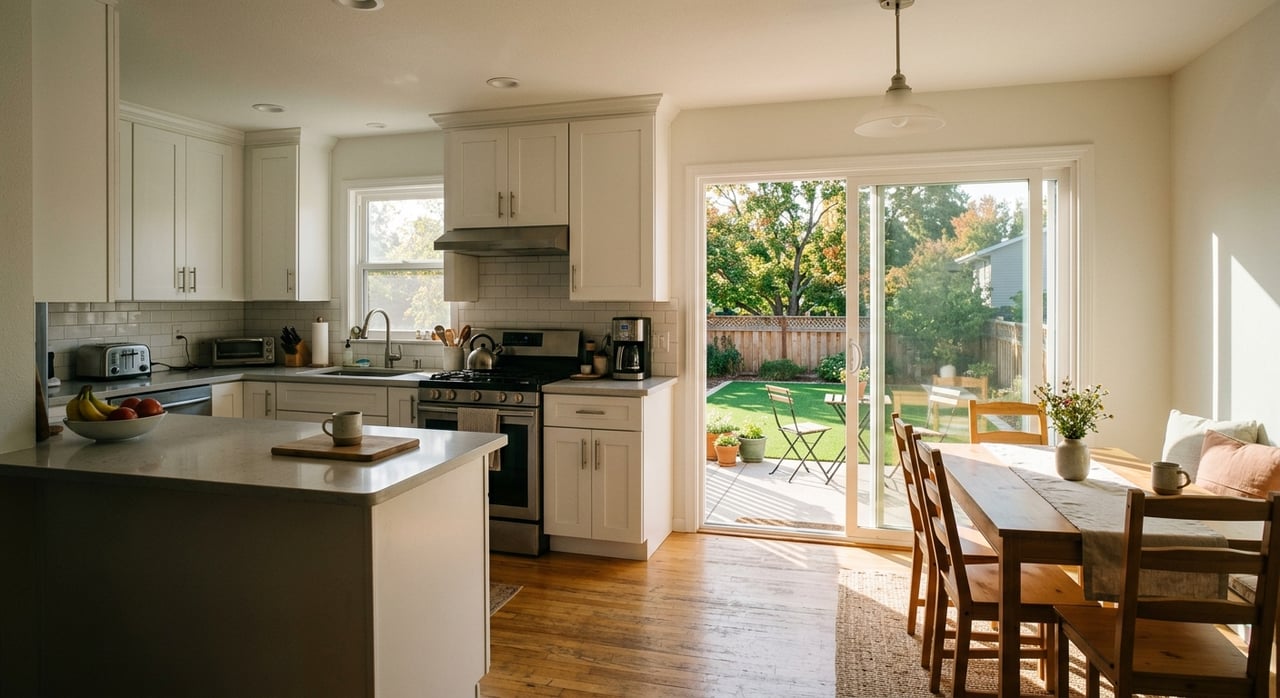
Buying your first home in Broomfield can feel exciting right up until the numbers, timelines, and fast-moving listings start coming at you all at once. If you are trying to figure out how much home you can afford, what help may be available, and how to compete without making risky decisions, you are not alone. The good news is that a smart plan can make this process much more manageable. This roadmap will walk you through what first-time buyers in 80020 should know before you tour, offer, and close. Let’s dive in.
Understand the Broomfield market
If you are buying in 80020, it helps to expect a competitive market. Recent local data shows median sale prices in Broomfield ranging from about $592,500 to $622,000, with homes often selling in roughly 26 to 30 days and at around asking price, depending on the source and month. That tells you one important thing: preparation matters before you fall in love with a home.
At the same time, Broomfield is not one single market. Neighborhood-level data in 80020 shows different price points across areas like Broomfield Heights, Northmoor Estates, and Miramonte. If you are a first-time buyer, comparing micro-markets can open up options you might miss if you only focus on the zip code average.
Broomfield’s Housing Needs Assessment also adds helpful context. The city saw strong growth in its 25 to 44 age group, home prices rose sharply between 2011 and 2021, and most homes sold in 2021 were priced above $500,000. For first-time buyers, that means this is a market where planning ahead is often more effective than casually browsing listings.
Build your budget before touring
Before you schedule showings, get clear on your full monthly housing cost. The Consumer Financial Protection Bureau says lenders look at your income, assets, employment, savings, debt payments, and credit when making a mortgage decision. Your budget should also leave room for taxes, insurance, HOA dues if they apply, repairs, moving costs, and future home improvements.
This matters even more in Broomfield because sticker price is only part of the story. If you use the local median sale price as a rough example, closing costs alone can add up quickly. CFPB says closing costs often run about 2% to 5% of the purchase price, not including your down payment.
Here is a simple first-time buyer budget checklist:
- Down payment
- Closing costs
- Earnest money
- Monthly mortgage payment
- Property taxes
- Homeowners insurance
- HOA dues, if applicable
- Moving expenses
- Repair and maintenance reserve
- Utility setup and early home purchases
Factor in Broomfield property taxes
Property taxes are part of your ownership cost, so it helps to understand the local system early. According to Broomfield property tax information, first-half taxes are due by the last day of February, second-half taxes are due June 15, and the full amount can also be paid by April 30. Late real estate taxes accrue 1% monthly interest, so this is not a cost you want to overlook.
The city also notes that assessed value is based on comparable sales. In other words, your future tax bill may not match the list price exactly. As you compare homes, ask questions about current taxes and remember that the local tax picture is part of affordability, not an afterthought.
Get preapproved early
In a market where homes can move quickly, preapproval gives you a stronger starting point. The CFPB explains that prequalification and preapproval can help estimate how much a lender may be willing to lend, but neither is a guaranteed loan offer. Still, a solid preapproval can help you move faster when the right home hits the market.
This is also the stage where comparison shopping matters. CFPB recommends comparing multiple lender offers rather than relying on just one source of advice. For you, that can mean better visibility into rate options, fees, and loan structures before you write an offer.
Explore down payment help
Many first-time buyers assume they have to do this alone, but Broomfield and Colorado both offer programs worth reviewing. CHFA homeownership programs provide home loans through participating lenders and may include grants or second mortgage loans for down payment or closing cost assistance. CHFA also offers free homebuyer education in English and Spanish.
For local buyers, Broomfield also has a Down Payment Assistance Program for first-time buyers that prioritizes first-generation buyers. The city says the program offers a 30-year loan at 0% interest for up to 10% of the purchase price and requires the city’s homeownership training course.
It helps to think of these as two separate layers:
- CHFA: Statewide loan, education, and assistance programs with their own rules
- Broomfield DPAP: A local assistance option coordinated with CHAC
You may qualify for one, both, or neither, depending on your situation. Broomfield notes that many local housing programs use CHFA income limits in effect at enrollment, so check current eligibility before you apply. Current CHFA limits for some first-time buyer programs in Broomfield include gross annual income caps of $140,100 for one to two people and $161,110 for households of three or more, with a purchase-price limit of $806,500.
Take a homebuyer class
Education can make a big difference, especially if this is your first purchase. CHFA’s homebuyer education program covers budgeting, credit, choosing a lender and agent, costs, the approval process, and what to expect after closing. For CHFA borrowers, the class is required before closing.
Broomfield’s Housing Division also offers a monthly homebuyer education course through CHAC covering affordability, budgeting, credit score impacts, local housing resources, financing options, contract basics, and inspection fundamentals. If you want more general support, Colorado Housing Connects can connect you with housing counseling resources across the state.
Build your buying team
A first-time purchase gets easier when you are not trying to figure everything out alone. CFPB recommends building a network of trusted advisors, and that can be especially helpful in a market like Broomfield. A strong team can help you move quickly while still protecting your interests.
Your team may include:
- A lender
- A buyer’s agent
- A home inspector
- A HUD-certified housing counselor or housing support resource
This kind of support matters because buying a home is both a financial decision and a detail-heavy process. Clear guidance can help you stay realistic, organized, and calm from search to closing.
Shop by micro-market, not just zip code
One of the biggest mistakes first-time buyers make is assuming every part of Broomfield offers the same value. It does not. Prices, time on market, and housing types can vary meaningfully within 80020, so your search should stay flexible.
Broomfield also notes that the city and county includes a mix of starter homes, townhomes, condos, and rentals. If your goal is to buy sooner, broadening your search to different property types may create more workable options without leaving the area.
If schools are part of your home search, verify attendance boundaries directly before you write an offer. Broomfield residents are served by multiple school districts, so it is important to confirm boundaries rather than assume them based on an address alone.
Tour homes with an inspection mindset
In Broomfield, condition matters just as much as price. The city’s housing assessment notes that many owner-occupied homes were built between 1960 and 1989. For a first-time buyer, that means older systems, deferred maintenance, and future repair costs may deserve extra attention.
As you tour homes, look beyond staging and layout. Ask about roof age, windows, HVAC, plumbing, electrical updates, and any signs of water issues. Even a home that looks move-in ready can come with near-term maintenance costs.
Write a competitive but careful offer
When you are ready to offer, speed is important, but so is protection. CFPB recommends making purchase offers and contracts contingent on financing and a satisfactory inspection. In a market where some homes receive multiple offers, it can be tempting to waive protections, but first-time buyers should understand the risk before doing that.
A strong offer is not always the highest number. It can also reflect clean terms, realistic timelines, and solid financing. The right strategy depends on the property, the pace of the market, and your comfort level.
Schedule inspection and appraisal steps fast
Once you are under contract, move quickly on due diligence. The CFPB’s inspection guidance explains that an inspection is different from an appraisal and recommends scheduling an independent inspection as soon as possible. If you can attend the inspection, you may get a clearer picture of the home’s condition and maintenance priorities.
If major issues are found, a satisfactory-inspection contingency may allow you to walk away without penalty. That is one reason contingencies still matter, even in a competitive market. They give you a way to make informed decisions instead of rushed ones.
Prepare for closing costs and final steps
After your offer is accepted, there is still plenty to manage. The CFPB closing checklist recommends promptly sending documents to your lender, shopping for homeowner’s and title insurance, reviewing revised Loan Estimates, and reading closing documents carefully before signing.
If upfront cash is tight, ask your lender and agent to explain seller credits clearly. According to the CFPB guidance on closing fees, seller contributions can sometimes help with closing costs, but they are not free money. Often, the tradeoff shows up through price, loan terms, or deal structure.
If you need a lower down payment option, HUD notes that FHA loans can be a useful path for first-time buyers. The best fit depends on your finances, eligibility, and long-term plans, so this is another area where early lender conversations can save time later.
Your first-time buyer roadmap
If you want to simplify the process, focus on the steps in the right order:
- Review your income, debts, savings, and monthly comfort zone.
- Estimate cash needed for down payment, closing costs, and reserves.
- Compare lenders and get preapproved.
- Review CHFA and Broomfield assistance options.
- Take a homebuyer education course.
- Build your support team.
- Search by micro-market and property type.
- Tour homes with condition and future maintenance in mind.
- Write an offer with smart contingencies.
- Move quickly through inspection, lender requests, and closing prep.
The goal is not to rush. The goal is to be ready when the right opportunity appears.
Buying your first home in Broomfield is a big step, but it does not have to feel overwhelming when you have a clear plan and the right support. If you want experienced, step-by-step guidance as you explore your options in Broomfield and the greater Denver area, connect with Dianne Goldsmith for thoughtful, hands-on help from search to closing.
FAQs
What is the housing market like for first-time buyers in Broomfield CO 80020?
- Recent market data suggests 80020 is a relatively competitive market, with median sale prices around the high-$500,000s to low-$600,000s, homes often selling in about a month, and some properties receiving multiple offers.
What costs should first-time buyers budget for in Broomfield CO?
- In addition to your down payment, you should budget for closing costs, property taxes, homeowners insurance, HOA dues if applicable, moving costs, and a repair reserve.
What first-time homebuyer assistance is available in Broomfield CO?
- Buyers may want to review statewide CHFA loan and assistance programs as well as Broomfield’s local Down Payment Assistance Program, which offers qualifying buyers up to 10% of the purchase price through a 30-year 0% interest loan.
What should first-time buyers know about older homes in Broomfield CO?
- Many owner-occupied homes in Broomfield were built between 1960 and 1989, so inspections, repair planning, and maintenance reserves can be especially important when evaluating a property.
What is the difference between preapproval and prequalification for Broomfield homebuyers?
- Prequalification and preapproval both help estimate borrowing power, but neither guarantees a final loan, and preapproval is generally the stronger document when you are preparing to make an offer.
Should first-time buyers use contingencies when making an offer in Broomfield CO?
- Many buyers should strongly consider financing and inspection contingencies because they can provide protection if loan approval changes or serious property issues are discovered during due diligence.