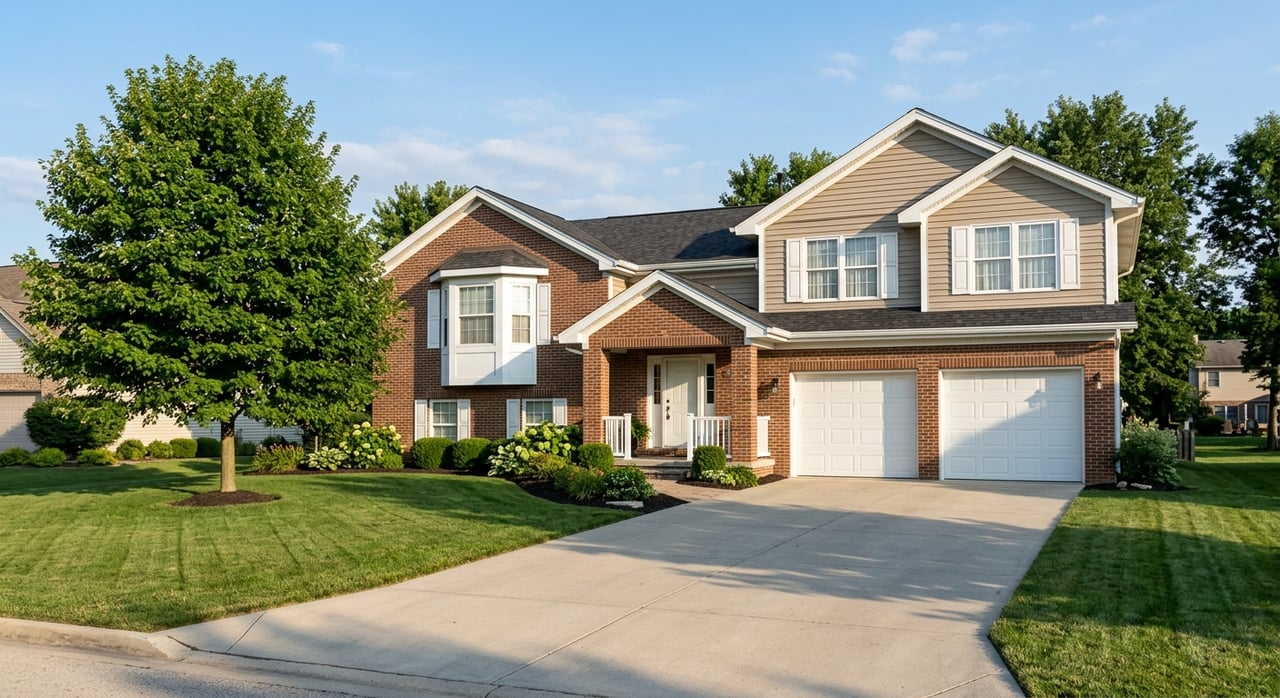
Thinking about moving up in Arvada? You are not alone, but the path is not always as simple as selling one home and buying a bigger one. In today’s market, the smartest move-up strategy usually comes down to how well you coordinate your equity, financing, and timing. This guide will help you understand your options, reduce risk, and make your next move with more confidence. Let’s dive in.
Arvada market conditions now
Arvada remains an active market, but it is not the kind of market where every home flies off the shelf overnight. According to Realtor.com’s Arvada market snapshot, the median listing price was $599,000 in March 2026, with 596 homes for sale, 29 median days on market, and a 99% sale-to-list ratio. That data points to a market where strong listings can still perform well.
At the same time, the local picture calls for realistic planning. Redfin’s February 2026 numbers showed a similar median sale price of $598,399, but also reported 54 median days on market, 2 offers on average, 28.6% of homes selling above list, and 31% with price drops. In other words, pricing, condition, and negotiation still matter.
A broader Jefferson County market update reinforces that point. Countywide, January 2026 showed a median sales price of $662,500, 77 days on market, 1.5 months of supply, and 97.4% of list price received. For you as a move-up homeowner, this means careful preparation matters more than assuming the market will solve everything.
Why move-up planning matters in Arvada
Arvada has a large base of long-time homeowners, which makes move-up decisions especially common. The City of Arvada housing needs report says 75% of households own their home, and the city has a higher share of single-family homes than condos or apartments. It also notes that much of the housing stock was built before 2000.
That same report adds helpful context for what many homeowners are selling and buying. The typical home sold in 2022 and 2023 was about 1,400 square feet, had 3 bedrooms, and was built around 1977. If you are hoping for more space, a newer layout, or different features, you may be competing in a higher price bracket than you expected.
Budgeting is a real part of the conversation. The city report estimated that households needed about $199,000 in income to afford a median-price home around $606,000. That does not mean a move-up purchase is out of reach, but it does mean your equity, cash reserves, and financing plan need to work together.
Sell first or buy first?
For most homeowners, selling first is the simpler and lower-risk option. The Consumer Financial Protection Bureau says people who want to move normally try to sell their current home before buying another one. This approach gives you a clearer picture of your net proceeds and reduces the chance of carrying two housing payments at once.
Selling first can also strengthen your decision-making. Once your current home is under contract or closed, you know how much cash you will actually have for your next down payment, closing costs, and reserves. That clarity can make your home search more focused and less stressful.
Buying first can work, but it usually fits homeowners with more flexibility. If you have significant equity, strong income, and room in your budget for temporary overlap, you may be able to secure your next home before your current one sells. The key is making sure the short-term convenience does not create long-term strain.
Financing tools for buying first
If you want to buy before selling, you may need a short-term financing strategy. The CFPB explains that a home equity line of credit, or HELOC, lets you draw against your available home equity as needed. For some move-up buyers, that can help cover part of a down payment before the current home sells.
The CFPB also recognizes short-term bridge financing as a tool for people buying a new home while planning to sell their current one within 12 months. That can help solve a timing gap, but it also means you may have overlapping costs for a period of time. In a higher-rate environment, that overlap deserves extra attention.
Mortgage rates are a major part of the math right now. Freddie Mac’s Primary Mortgage Market Survey showed a 30-year fixed rate of 6.37% and a 15-year fixed rate of 5.74% as of April 9, 2026. If your next home comes with a higher purchase price and a higher rate than your current mortgage, even a short overlap can feel expensive fast.
Contract terms that can lower stress
A move-up transaction does not always require you to choose between all-or-nothing options. Sometimes the best strategy comes from using the right contract terms to create flexibility. The National Association of Realtors consumer guide on contract contingencies outlines several clauses that can help.
The most relevant option for many move-up homeowners is a home-sale contingency. This gives you time to sell your current home before you have to close on the next one. A related option is the home-close contingency, which gives you time not just to go under contract, but to fully close your current sale.
You may also see a kick-out clause if the seller wants to keep marketing the property while your contingency is in place. Another useful tool is a rent-back clause, which can allow you to stay in your sold home for an agreed period after closing. That can give you extra breathing room if your purchase timeline lags behind your sale.
Prepare your current home well
The better your current home is prepared, the more options you may have on the buy side. According to the NAR consumer guide on preparing to sell, a pre-sale inspection is optional, but it can help uncover issues with the roof, HVAC, plumbing, electrical, and other systems before a buyer finds them. That can reduce surprises later.
You do not necessarily need a full remodel to make a strong impression. NAR notes that sellers may benefit from basic steps like cleaning, decluttering, improving curb appeal, and staging. If a major repair issue exists, getting a cost estimate can still be helpful even if you decide not to complete the work before listing.
This matters in Arvada, where many homes are older and buyers may look closely at condition. A clean, well-presented home can help photos stand out online, support stronger pricing, and reduce the chance that your move-up timeline gets delayed by inspection negotiations.
Strengthen your financing position early
Before you make a move-up plan, get clear on what a lender will review. The CFPB says lenders evaluate income, assets, employment status, savings, monthly debt payments, and your credit reports and scores when deciding whether you can repay a loan. Your next purchase is not just about the sale price of your current home.
It is also smart to avoid financial moves that can hurt your borrowing power. The CFPB warns against taking out a car loan, making large credit card purchases, or applying for new credit cards in the months before buying a home. Those changes can affect your credit profile and may increase your costs.
Shopping lenders early can also help. The CFPB encourages buyers to request and compare multiple Loan Estimates so they can evaluate costs and risks before committing. Even if a rate is locked, the Loan Estimate is not the same thing as a final loan commitment.
Build a realistic cash plan
Equity is important, but it is not the whole picture. The CFPB says closing costs typically range from 2% to 5% of the purchase price, not including your down payment. On top of that, you may need funds for moving, repairs, insurance, taxes, and ongoing ownership expenses.
A larger down payment can reduce monthly costs and total loan expense. The CFPB also notes that putting 20% or more down will often help you avoid mortgage insurance on many loans. Even so, keeping a cash cushion matters, especially if your sale and purchase do not line up perfectly.
For many Arvada homeowners, the safest move-up strategy is the one that protects your monthly comfort level, not just the one that stretches you into the biggest possible house. A clear budget helps you move with confidence instead of reacting under pressure.
A practical move-up game plan
If you are planning a move-up purchase in Arvada, a simple framework can help you stay organized:
- Assess your equity and payment comfort. Estimate what you may net from your current home and what monthly payment feels sustainable.
- Talk with a lender early. Review your credit, assets, debts, and loan options before touring homes.
- Choose your timing strategy. Decide whether selling first, buying first, or using contingencies best fits your finances and risk tolerance.
- Prepare your current home. Clean, declutter, address obvious issues, and create a strong presentation plan.
- Build in flexibility. Use the right contract terms when needed to reduce timing pressure.
- Protect your cash reserves. Budget for closing costs, moving expenses, and post-closing needs.
The goal is not just to move. It is to move well, with a plan that supports both your sale and your next purchase.
When you are ready to map out the numbers, timing, and best strategy for your next step in Arvada, Dianne Goldsmith can help you create a move-up plan that feels clear, practical, and tailored to your goals.
FAQs
Should Arvada homeowners sell their current home before buying the next one?
- For many homeowners, yes. The CFPB says selling first is the normal path because it reduces the risk of overlapping payments and gives you a clearer picture of your available proceeds.
Can Arvada homeowners buy first using home equity?
- Yes, in some cases. A HELOC or short-term bridge financing may help if you have enough equity and can handle temporary payment overlap, but this approach usually requires more financial flexibility.
What contract terms help with move-up timing in Arvada?
- Common tools include a home-sale contingency, home-close contingency, kick-out clause, and rent-back clause. These can help reduce stress if your sale and purchase do not line up perfectly.
How should Arvada homeowners prepare a current home before listing?
- Start with cleaning, decluttering, curb appeal, and staging. A pre-sale inspection can also help identify repair issues before buyers do.
How much cash should Arvada move-up buyers plan beyond their equity?
- You should plan for more than a down payment. Closing costs alone often range from 2% to 5% of the purchase price, and you may also need funds for moving, repairs, insurance, taxes, and reserves.