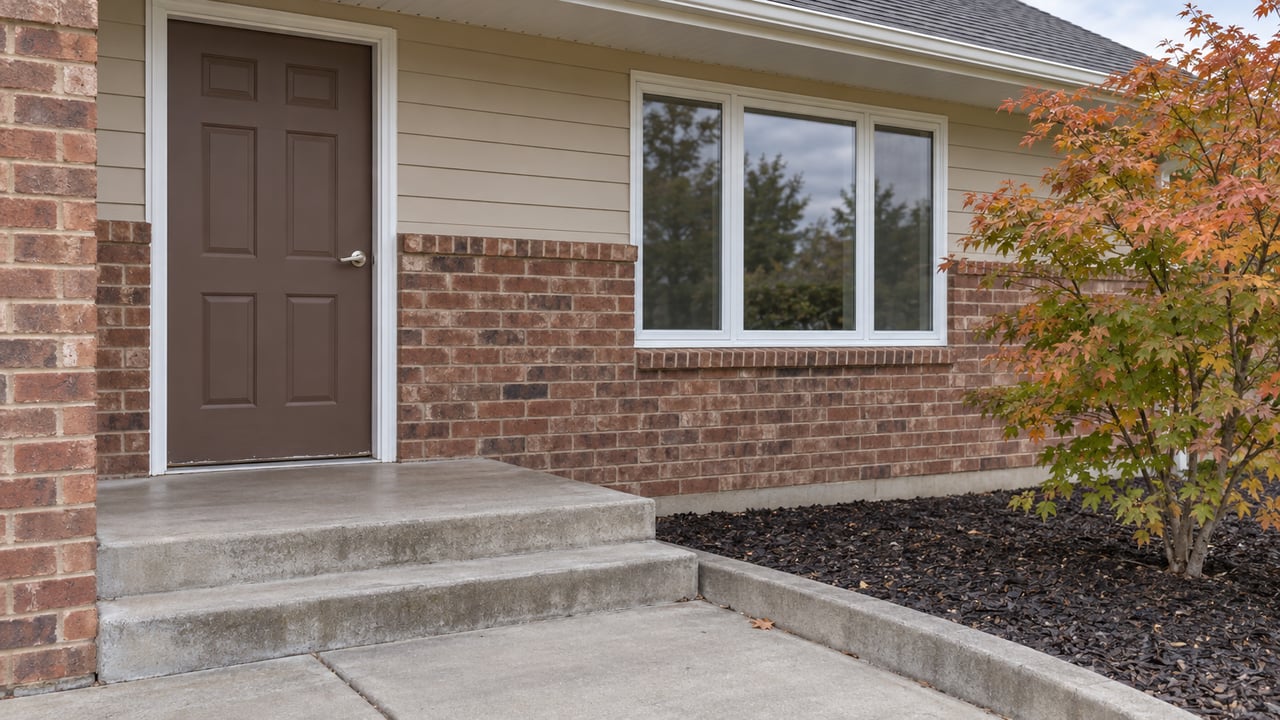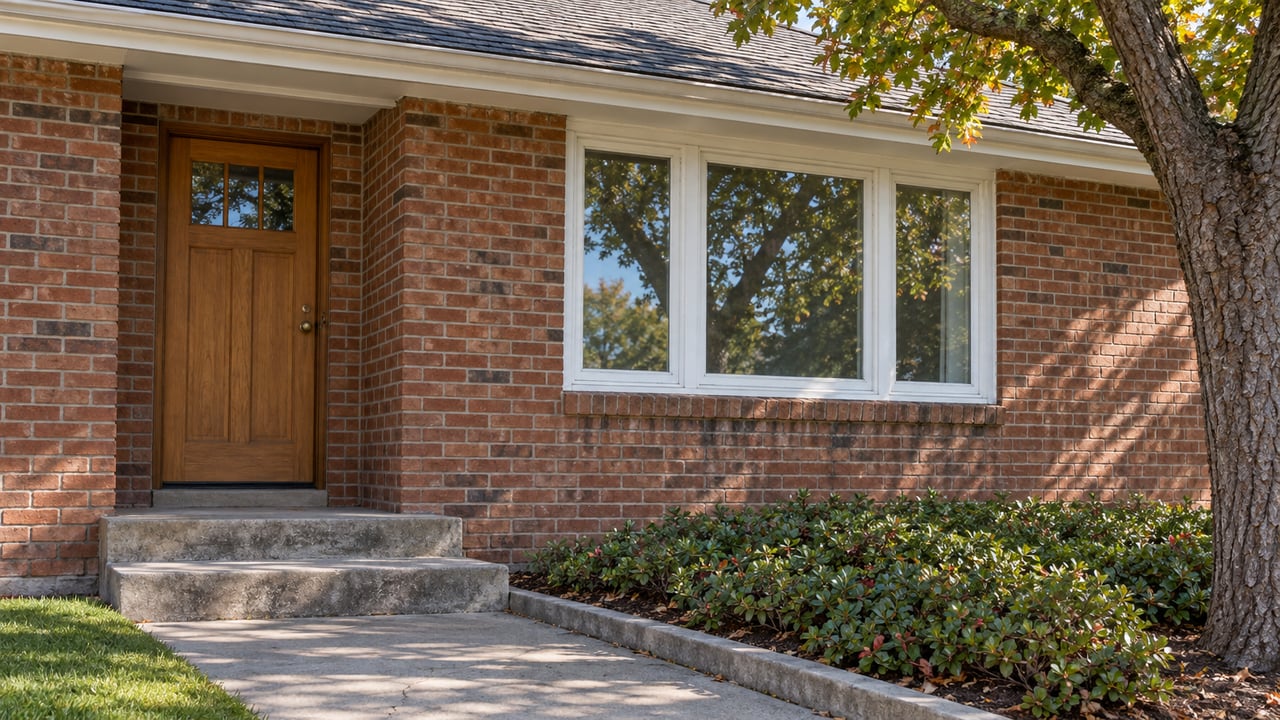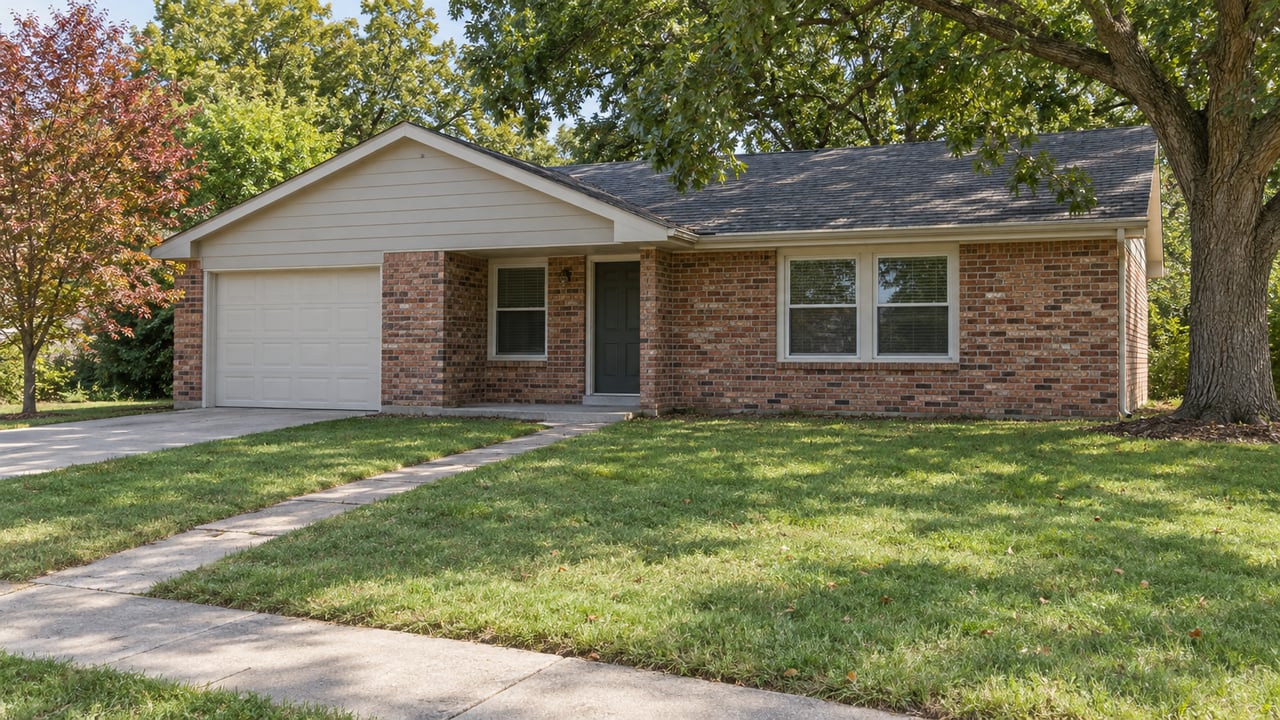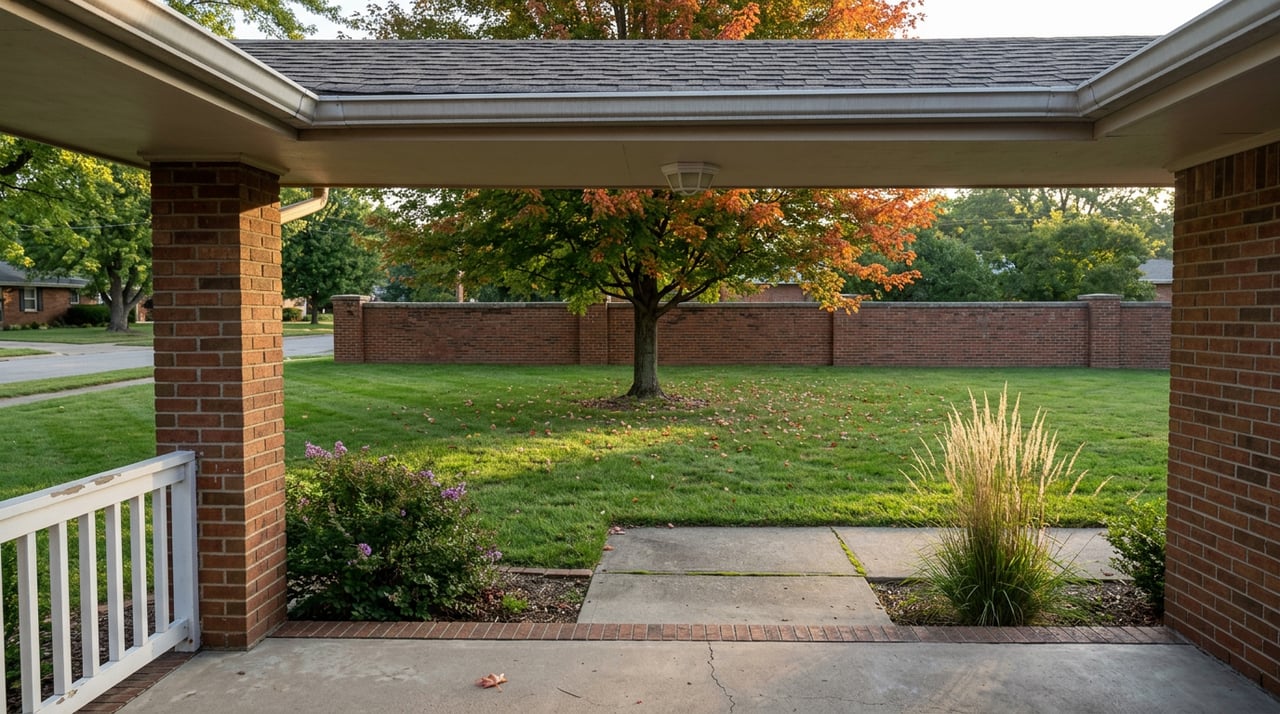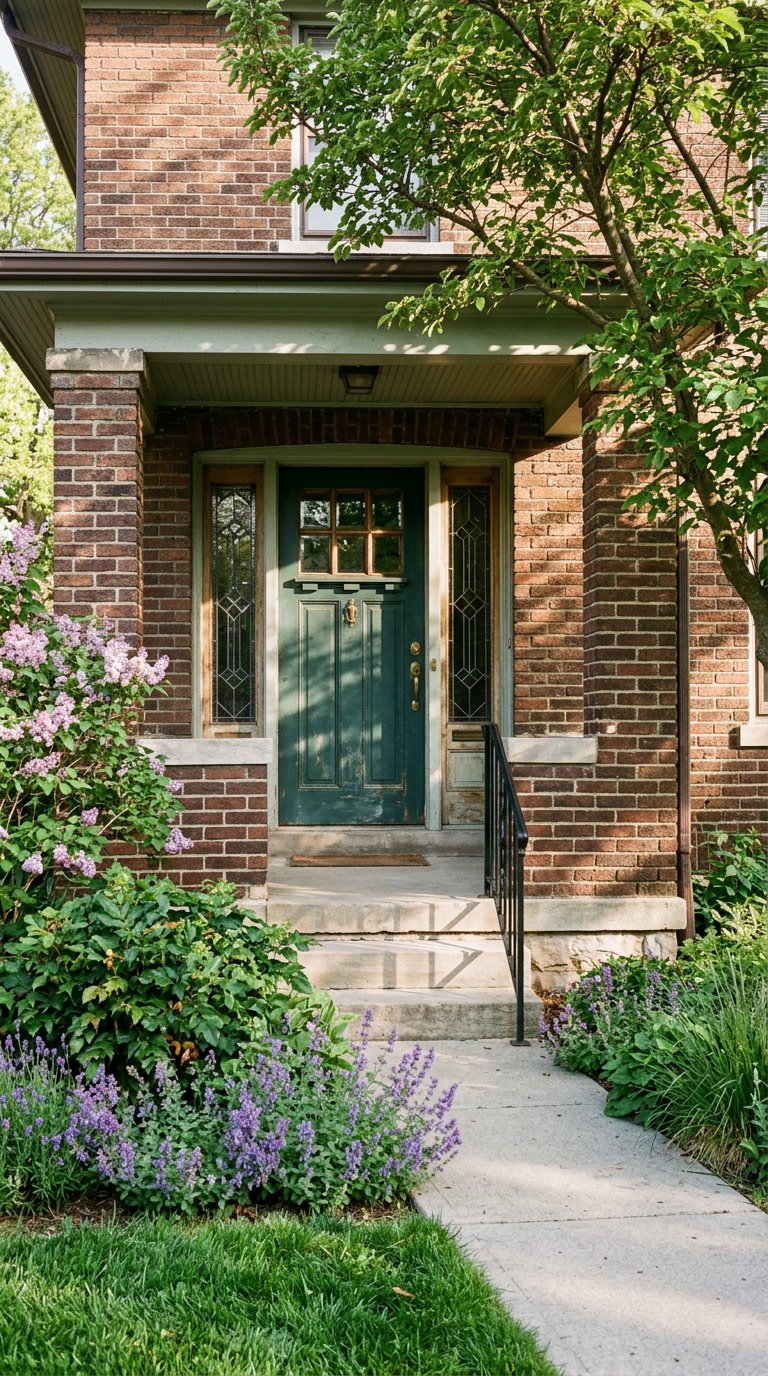
Drawn to tree-lined parkways, brick porches, and vintage details that feel timeless? Congress Park and Denver’s East 7th Avenue Historic District deliver classic architecture, mature trees, and central-city convenience. Buying a historic home here can be incredibly rewarding, but the process is different from purchasing newer construction. In this guide, you’ll learn the local styles and floor plans, what historic designation really means, the inspections to prioritize, the smartest updates, the approvals to expect, and where potential tax credits can help. Let’s dive in.
Why Congress Park, 7th Ave stand out
Congress Park sits just east of downtown Denver, roughly bounded by York Street, Colfax Avenue, Colorado Boulevard, and 6th Avenue. Along and near the East 7th Avenue parkway, you’ll find one of Denver’s most distinctive historic districts, shaped during the City Beautiful era. Grand homes anchor the parkway, while side streets feature well-kept blocks of bungalows, Denver Squares, and early revival styles.
The East 7th Avenue Historic District is recognized for its architecture and cohesive streetscape, including the gracious parkway and mature elm rows. If you want to understand how this area took shape and which styles define it, start with the Denver Public Library’s overview of the East 7th Avenue Historic District. It captures why buyers value this neighborhood’s character and continuity.
Historic designation: what it means
Historic status matters because it affects exterior work and permitting. In Denver, local landmark or local historic district designation triggers design review for most visible exterior changes that require permits. You will often need a Certificate of Appropriateness before the city issues building or zoning permits for those changes.
By contrast, National Register listing recognizes historic significance but does not by itself restrict ordinary work by private owners. Local rules do. In Denver, paint color is typically a personal choice, but items like windows, additions, and new garages on locally designated properties usually require review. You can read how the city’s process works on the Denver Landmark design review page.
Homes and floor plans
When you tour Congress Park and 7th Avenue, you’ll see a range of early 1900s homes. Many interiors share a common rhythm: a formal front room, a separate dining room, a modest rear kitchen, and bedrooms located upstairs. Closets tend to be smaller than what you’ll find in newer houses. Attics and basements are common and may be unfinished.
Original woodwork, built-ins, plaster walls, leaded or stained glass, and hardwood floors often survive. If you enjoy house history, sample National Register materials that describe these features in detail, such as this NPS nomination example.
Craftsman and Bungalow
Early 1900s to 1920s bungalows are common. Look for low-pitched gable roofs, broad porches with tapered columns on brick piers, and exposed rafter tails. Inside, you might find built-in bookcases flanking a fireplace, natural wood trim, and a cozy, efficient layout.
Denver Square (American Foursquare)
Boxy and practical, the Denver Square typically offers two full stories with four rooms per floor, a hipped roof, and a generous front porch. The plan delivers easy circulation, good natural light, and space to grow.
Parkway mansions and revivals
Along the 7th Avenue parkway, you’ll see higher-style homes that reflect Neoclassical, Georgian, Mediterranean, Tudor, and Queen Anne influences. These homes help define the district’s distinct City Beautiful character.
Inspections to prioritize
Older homes age differently than newer ones. Even if a home looks freshly updated, you should plan for targeted systems checks. Consider these inspections as high-priority contingencies:
- Full home inspection. Start with a thorough baseline assessment by a licensed inspector who understands older construction.
- Sewer-line camera scope. For pre-midcentury houses with mature trees, a sewer scope is critical. It often reveals root intrusion, bellies, or clay and cast-iron segments that can be expensive to repair or reline. Learn why buyers add this test from this sewer-scope explainer.
- Structural review if needed. If you see settlement, cracking, or unusual movement, bring in a structural engineer. Denver’s soils and typical grading can contribute to settling, so rule out major issues early.
- HVAC and chimney inspection. Confirm the furnace’s age and performance, and have a certified chimney pro evaluate the flue, liner, and any fireplaces.
- Radon testing. Denver County is in the EPA’s high radon-potential category. Test every house and plan to mitigate if levels exceed guidance. See the EPA radon map.
- Lead-based paint testing. For homes built before 1978, request a lead risk assessment if you plan to disturb painted surfaces and follow EPA RRP rules. Review the EPA’s lead safety guidance.
- Asbestos and hazardous materials screen. If you plan renovations, test suspect materials like old floor tile, pipe insulation, or duct wrap.
- Electrical assessment. Older wiring, two-prong outlets, and limited service capacity are common. Plan for a service upgrade to modern standards where needed.
Updates that respect character
Buying in a historic area does not mean you cannot update. It means you should update thoughtfully. Here are common project types and how to approach them:
- Windows. Original wood sash windows are often repairable and are a key character feature. The city’s guidance favors repair plus storms and weatherstripping before full replacement, and replacement proposals typically require a professional evaluation. Review Denver’s Landmark design guidelines before planning window work.
- Masonry and tuckpointing. Colorado’s freeze-thaw cycles can damage mortar. Repoint with historically compatible, softer mixes to avoid harming brick. For a primer on good practice, see NPS technical guidance summarized in this mortar and masonry brief.
- Roofs and gutters. Respect the original roofline and visible materials. If your roof is visible from the street, expect design review for changes.
- Basements and drainage. Solve exterior water management first. Downspouts, grading, and perimeter drainage often produce the biggest gains before interior waterproofing.
- Plumbing and sewer. Many homes have older galvanized or cast-iron branches and clay laterals. Be ready for targeted replacements if inspections show deterioration.
- Insulation and energy. In many historic homes, adding attic insulation and air sealing is the best first step. Choose reversible, non-destructive methods that allow the building to breathe.
Permits and timing
If the home is locally designated or contributing to a local district, most visible exterior changes that need building or zoning permits also require a Certificate of Appropriateness from Denver Landmark Preservation. Plan your timeline accordingly.
- Start early. If you are considering exterior updates, reach out to Landmark staff for a pre-application discussion. Early feedback can save time and money.
- Verify past work. Pull the home’s permit history to see what was approved and whether exterior changes received design review. Unpermitted work can complicate future plans.
- Understand demolition review. In Denver, demolition proposals for potentially historic buildings follow a more involved process and longer timelines than typical demo permits.
Tax credits and incentives
Colorado offers a state historic preservation income tax credit for qualified rehabilitation costs, including an owner-occupied program with specific rules. Timing matters, and exterior work in a local district usually needs a Certificate of Appropriateness to qualify. Review the city’s summary and connect with staff early through the State Historic Preservation Income Tax Credits page.
At the federal level, the 20 percent historic rehabilitation tax credit typically applies to income-producing properties, not owner-occupied homes. If you are evaluating a rental or mixed-use property, confirm eligibility with the appropriate state and local contacts early.
Buyer checklist
Use this quick list to stay on track while shopping in Congress Park and East 7th Avenue:
- Confirm the property’s status. Ask whether it is a locally designated landmark or contributing to a local district, since that changes your permit and review path.
- Read disclosures closely. Pay attention to sewer, radon, and any lead or prior permit information. If something is missing, add contingencies.
- Order specialized inspections. In addition to a standard home inspection, line up a sewer scope, radon test, lead test for pre-1978 homes, structural engineer if there are signs of settlement, chimney sweep if needed, and an electrical safety review.
- Pull permit history. Confirm that past exterior work was permitted and, if required, received design review approval.
- Plan your project path. If you want to change windows, add an ADU, or build an addition, schedule a pre-application discussion with Landmark staff and consult a preservation-savvy architect before you finalize terms.
- Build your team. Prioritize professionals with historic-home experience, including your real estate agent, inspector, sewer-scope plumber, structural engineer, architect, and contractors who repair rather than replace original materials.
The bottom line
A historic home in Congress Park or the East 7th Avenue Historic District offers enduring architecture, a walkable central location, and a strong sense of place. With the right inspections, a clear plan for permits, and a preservation-minded approach to upgrades, you can protect both your investment and the home’s character. If you want a guide who understands this market and the details that come with older homes, you are not alone.
If you are considering a move, reach out to Dianne Goldsmith for calm, experienced guidance from search through closing.
FAQs
What does local historic status change for a homeowner?
- Local designation in Denver typically requires design review for visible exterior changes that need permits, while National Register listing alone does not restrict ordinary private work.
Which inspections add the most value when buying older Denver homes?
- A sewer scope and a radon test are high-impact; add a lead test for pre-1978 homes and bring in specialists for structure, electrical, HVAC, and chimneys as needed.
Can you replace windows in the 7th Avenue Historic District?
- Often you can, but the city generally encourages repair first and may require a professional evaluation before approving replacement on contributing properties.
Are there tax credits for owner-occupied historic home projects?
- Yes, Colorado offers a state historic preservation income tax credit for eligible owner-occupied projects, and timing your application before major work is important.