If you work in Denver but want more than a one-note commute suburb, Arvada deserves a closer look. You may be trying to balance travel time, home options, and day-to-day livability without feeling cut off from the city. The good news is that Arvada offers a practical mix of rail access, driving routes, housing variety, and outdoor space that can make that balance feel more realistic. Let’s dive in.
Arvada offers more than one commute path
One reason Arvada stands out is that your commute does not have to depend on a single route or one mode of travel. For downtown-focused trips, the RTD G Line gives you a rail option with stations in Arvada, including Olde Town Arvada and Arvada Ridge. The G Line runs 11.2 miles from Union Station to Wheat Ridge, serves eight stations, and operates every 30 minutes.
That flexibility matters if your workweek changes from day to day. You might prefer rail when you are heading into downtown Denver, then choose to drive for meetings elsewhere in the metro. Arvada supports that kind of mixed routine better than places built around one major highway exit.
Rail access supports downtown Denver commutes
For many commuters, the biggest question is simple: is Arvada close enough to make downtown jobs workable? Based on local transit service, yes. The G Line connects Arvada directly to Union Station, which gives you a clear option for getting into central Denver without making every trip a drive.
Olde Town Arvada Station adds another layer of convenience. It includes a rail-station park-and-ride with 400 parking spaces and service from five bus routes. If you live in a part of Arvada that is not right next to a station, that can still make the rail system useful for your routine.
Why the G Line matters
The G Line is classified by RTD as electric commuter rail, not light rail. That distinction may not change your home search by itself, but it does help explain why Arvada often comes up in conversations about practical Denver commuting. You are looking at a built transit link, not just a future plan or a limited shuttle setup.
For buyers relocating to the area, that kind of certainty can make planning easier. You can evaluate actual stations, schedules, and parking instead of guessing how a commute might work later.
Driving routes add everyday flexibility
Transit is only part of the story. Arvada also works well for people whose jobs, errands, or family schedules pull them across different parts of the metro. Local planning materials identify Wadsworth Boulevard and Ralston Road as key arteries around Olde Town, while Ward Road provides primary access in southwest Arvada and connects to I-70.
In real life, that means Arvada is not just about getting to downtown. It can also support cross-metro driving for work, shopping, appointments, or weekend plans. If your household has more than one commuter or a changing schedule, that road network can be a real advantage.
Olde Town gives Arvada a real center
A lot of commuter-friendly suburbs offer homes and roads, but not much of a central gathering place. Arvada is different because Olde Town gives the city a true neighborhood core. Historic Olde Town Arvada is listed on the National Register of Historic Places and combines residential living, shopping and dining, and a G Line stop in one area.
That mix can make daily life feel easier and more connected. Instead of treating home as only the place you return to after work, you have a district where you can run errands, meet friends, or spend part of your evening without needing a big plan. For many buyers, that makes Arvada feel more complete.
Olde Town feels more walkable
The city has adopted an Olde Town Strategic Reinvestment Plan to preserve the district’s character while planning future improvements. The area also uses pedestrian-oriented street closures that support sidewalk activity for shops and restaurants. Those details help explain why Olde Town often feels more active and walkable than a typical suburban commercial strip.
If you want a suburban home base but still like having a defined main district, Olde Town is a strong part of Arvada’s appeal. It gives the city a sense of place that many commuters appreciate after a long workday.
Trails and parks improve life after work
A commute is only part of your routine, so it helps to look at what life feels like when the workday ends. Arvada’s official trail system is a major lifestyle advantage. The city highlights trails including Ralston Creek Trail, Van Bibber Creek Trail, Clear Creek Trail, Leyden Creek Trail, Little Dry Creek Trail, and Union Street Trail.
The trail system is intended for hikers, cyclists, wheelchair users, and, where designated, horseback riders. That broad access matters because it supports different ways to enjoy the outdoors, whether you want a serious ride, a casual walk, or a more flexible weekend routine.
Ralston Creek Trail stands out
Ralston Creek Trail is Arvada’s longest and most complete public trail at about 12.5 miles. The city’s trail brochure says it links parks and open space and ends near Arvada Blunn Reservoir, with skyline views toward Denver. That is a meaningful perk if you want more breathing room without leaving the metro behind.
For commuters, this is where Arvada starts to feel especially balanced. You can work in or around Denver and still come home to a place where outdoor access is part of normal life, not a special trip.
Arvada is not just a cheaper Denver alternative
It is important to look at Arvada with realistic expectations. This is not simply a bargain version of Denver. Census QuickFacts shows a median owner-occupied housing value of $600,800 in Arvada, which is slightly above Denver’s $586,700 in the same Census tables.
That means the value story is about trade-offs, not just lower prices. You may be paying for a different mix of benefits, including more housing variety, strong commuter options, and a suburban setting with a defined town center and trail network.
Housing options span multiple price points
Even though Arvada is not a low-cost suburb, it does offer a broad range of home types across different budgets. Census data shows a 74.9% owner-occupied rate, a median gross rent of $1,802, and a population of 121,873. Redfin reported a median sale price of $625,000 in March 2026, with homes selling in about 14 days.
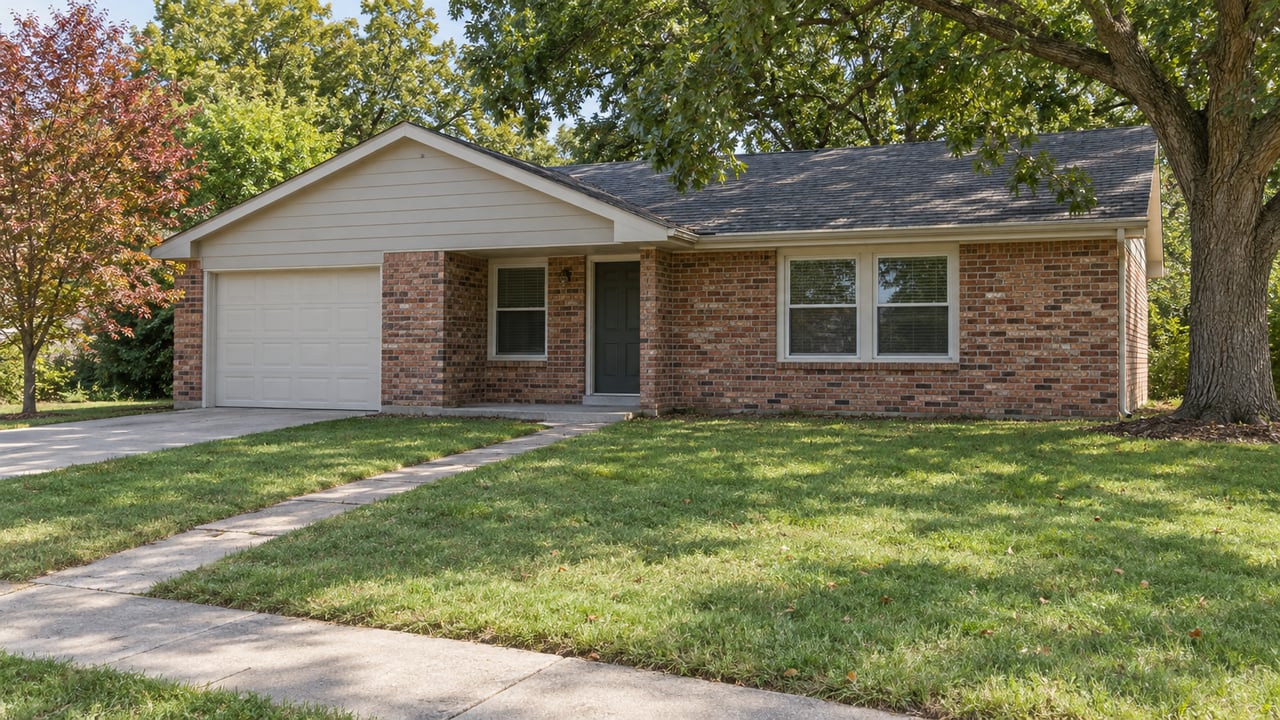
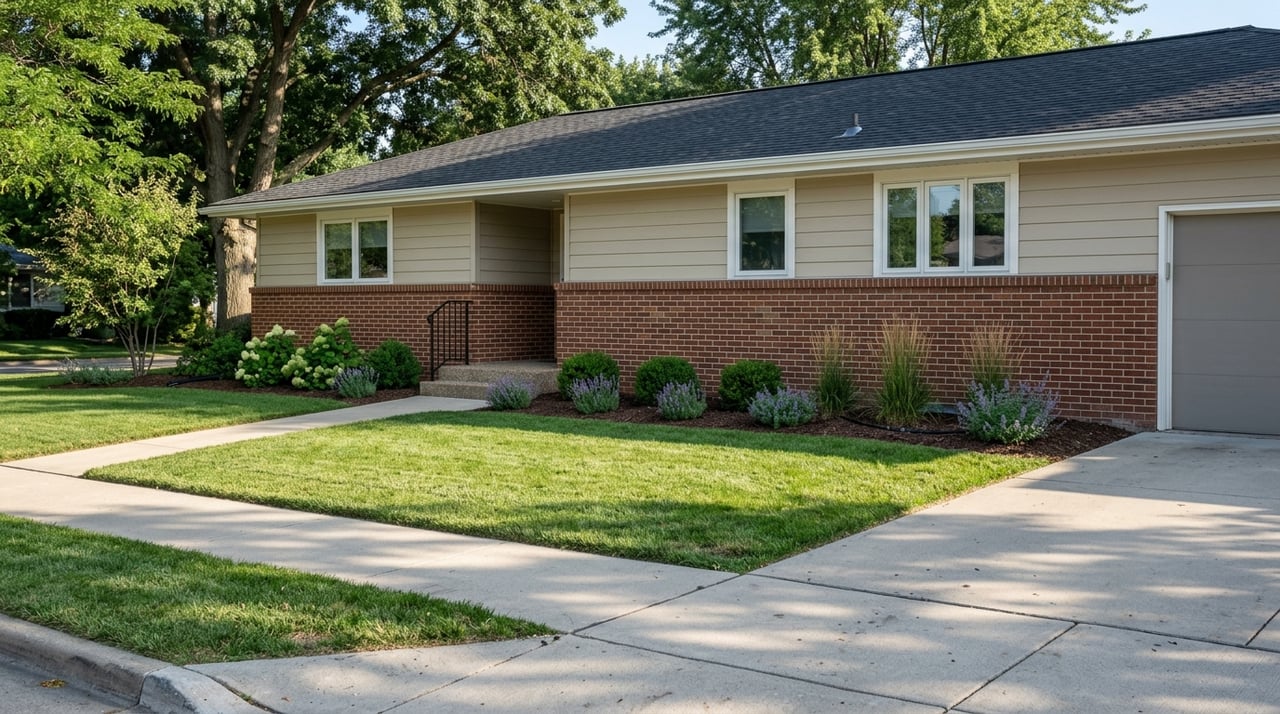
Current inventory examples show why Arvada appeals to different kinds of buyers. Condo-style homes can appear around $300,000, while townhomes are showing up at several levels including about $300,000, $485,000, and $665,000. Single-family options include older ranch homes under $500,000, updated homes near Olde Town, and larger homes or new construction closer to the $800,000 to $900,000 range.
What that means for buyers
If you are comparing Arvada with central Denver neighborhoods, you may find different kinds of trade-offs rather than a simple yes-or-no answer. In some cases, you may get a different home style, more interior space, or a different daily rhythm. In others, you may prioritize access to Olde Town or proximity to a station.
That is why a neighborhood-level approach matters here. Arvada can work for first-time buyers, move-up buyers, and people relocating into the Denver area, but the right fit depends on how you want commuting, lifestyle, and budget to work together.
Arvada suits several commuter lifestyles
Arvada is especially worth considering if your routine includes one or more of these priorities:
- You want a rail option for downtown Denver trips
- You also need solid road access for driving across the metro
- You like having a true town center instead of only shopping centers
- You want trail access and outdoor space close to home
- You are open to different home types, from condos to ranches to larger newer homes
Not every commuter wants the same thing. Some people care most about parking and road access. Others want to walk around a central district or hop on rail when heading downtown. Arvada works because it can support several versions of the Denver-area lifestyle at once.
Why Arvada keeps showing up on buyers’ lists
When buyers start comparing suburbs around Denver, Arvada tends to stay in the conversation for good reason. It offers a practical commute setup, but it does not stop there. The combination of the G Line, useful road corridors, a historic core in Olde Town, and a strong trail network gives it a more rounded feel than many places marketed only around convenience.
If you are trying to choose a location that supports both your workweek and your time off, Arvada is worth serious consideration. And if you want help comparing Arvada with Denver neighborhoods or other nearby suburbs, Dianne Goldsmith can help you sort through the trade-offs with clear, local guidance.
FAQs
Is Arvada close enough for a downtown Denver commute?
- Yes. Arvada has G Line commuter rail service to Union Station, and it also offers road access through major corridors such as Wadsworth Boulevard, Ralston Road, and Ward Road.
Does Arvada feel more suburban or urban?
- Overall, Arvada is suburban, but Olde Town provides the most walkable, urban-feeling core because it combines historic character, shops and dining, residential areas, and a G Line station.
What kinds of homes can you find in Arvada?
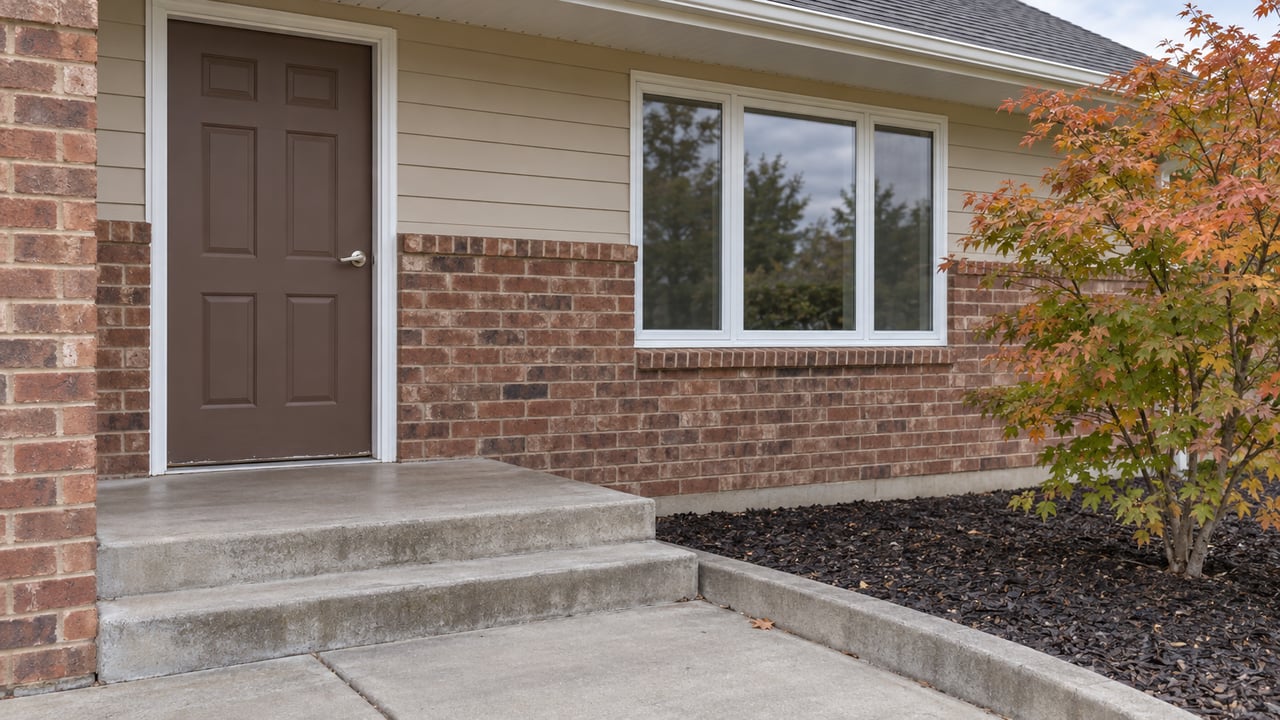
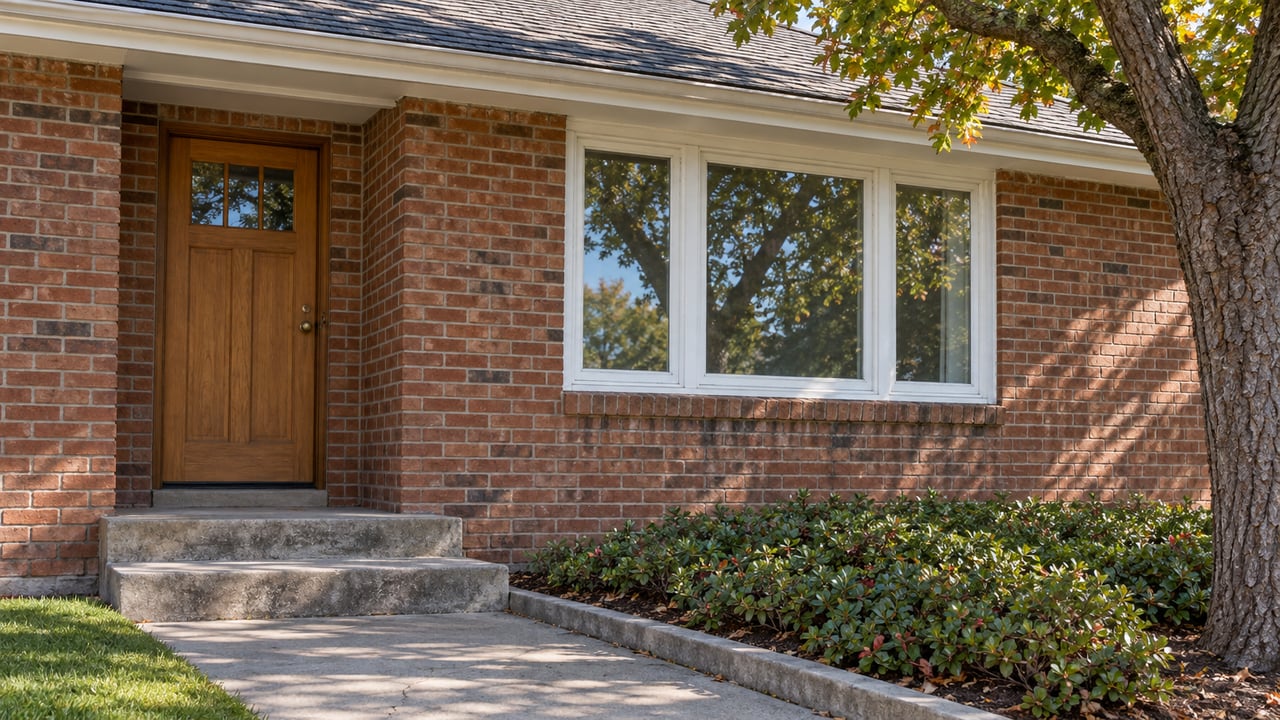
- Current inventory examples include condos, townhomes, older ranch-style homes, updated single-family homes, and larger new-construction properties across a wide range of price points.
Is Arvada less expensive than Denver?
- Not necessarily. Census QuickFacts shows Arvada’s median owner-occupied housing value at $600,800, slightly above Denver’s $586,700, so the decision is often about lifestyle and housing trade-offs rather than price alone.
What makes Arvada appealing beyond the commute?
- Arvada stands out for its mix of commuter rail, road access, Olde Town’s central district, and an extensive trail network that includes Ralston Creek Trail and several other city trails.