Trying to choose between Broomfield and northwest Denver? You are not alone. Many buyers end up weighing the same core question: do you want more budget flexibility and a suburban feel, or are you willing to pay more for a walkable, urban routine? If you are comparing 80020 with neighborhoods like West Highland, Berkeley, Sunnyside, Sloan’s Lake, LoHi, or Town of Highland, this guide will help you sort through the trade-offs and decide what fits your life best. Let’s dive in.
Start With The Main Trade-Off
The clearest difference is price, density, and lifestyle. Broomfield is less dense than Denver, with about 2,248 people per square mile compared with 4,674.3 in Denver. In real life, that usually means Broomfield feels more suburban, while northwest Denver feels more urban.
Price is a major dividing line too. The median sale price in 80020 is $582,495. In northwest Denver, representative neighborhood medians range from $739,525 in Town of Highland and $750,000 in Sunnyside to $783,000 in Berkeley, $764,750 in Sloan’s Lake, $850,000 in West Highland, and $865,000 in LoHi.
That means northwest Denver can cost roughly $157,030 to $282,505 more than 80020, depending on the neighborhood. If your budget matters as much as your location, this is often the first filter that helps narrow your decision.
Compare Daily Lifestyle
Broomfield Feels More Suburban
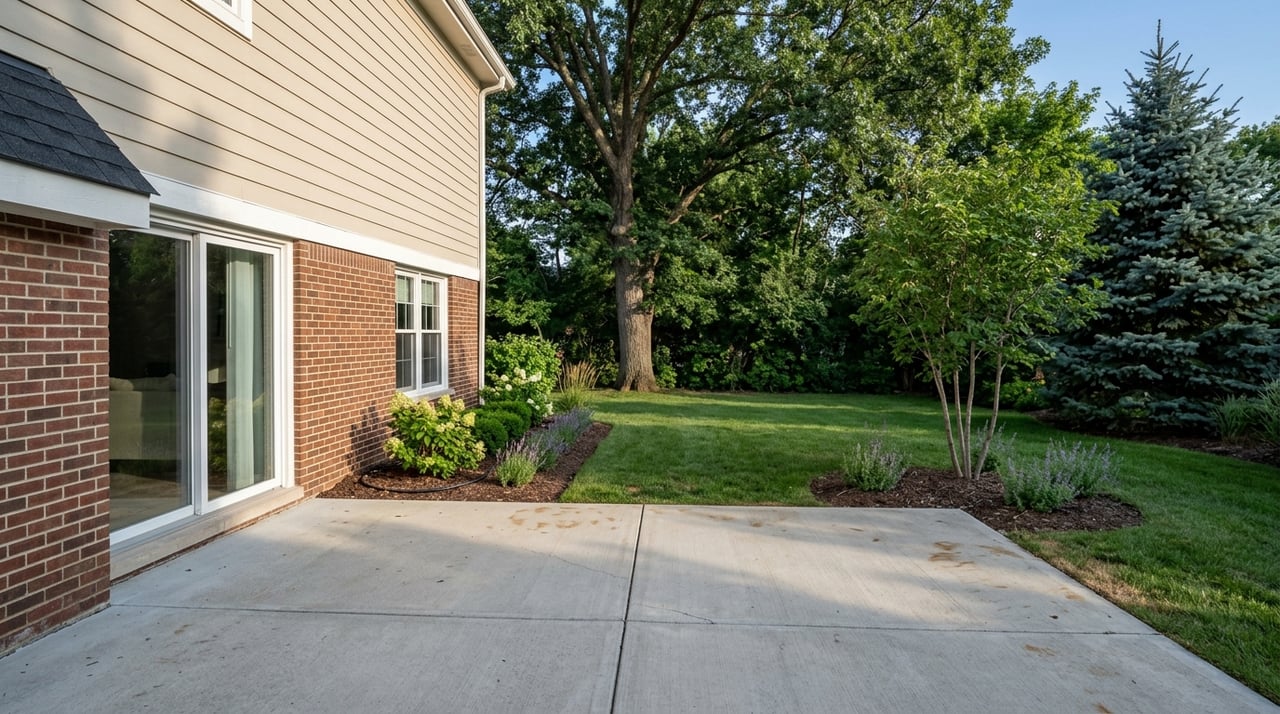
If you want a little more breathing room, Broomfield may feel more comfortable day to day. Lower density often means quieter streets, more separation between destinations, and a routine that leans more on driving.
That does not mean Broomfield lacks connectivity. It simply means the experience is different. For many buyers, that difference feels practical and predictable, especially if they prefer a suburban pattern over a neighborhood-centric city rhythm.
Northwest Denver Feels More Urban
Northwest Denver offers a more walkable, neighborhood-based lifestyle. In places like West Highland, Berkeley, and Sunnyside, daily errands, dining, and recreation may feel more integrated into the neighborhood fabric.
This is a strong fit if you want to be closer to the energy of the city. You are often paying more for that convenience, but for some buyers, being able to step into a more active urban setting is worth the premium.
Look At Transportation And Commute Patterns
Broomfield Has Strong Corridor Access
Broomfield works well for buyers who need access along the US 36 corridor. RTD’s Flatiron Flyer is an 18-mile bus rapid transit line running between downtown Denver and Boulder, and it includes a US 36/Broomfield stop.
Broomfield also has a trail system designed to connect neighborhoods, commercial areas, parks, employment centers, and public facilities. That can be useful if you want recreation and practical connectivity in one system.
At the same time, Broomfield still leans car-oriented. Its transportation profile shows a Walk Score of 33, Transit Score of 10, and Bike Score of 58. The mean travel time to work is 25.5 minutes.
Northwest Denver Offers Better Walkability
Northwest Denver has a more urban transportation feel. RTD Route 32 connects Civic Center Station with Olde Town Arvada Station and serves downtown Denver, Highlands, West Highlands, LoHi, Wheat Ridge, and Arvada.
The neighborhood scores tell the story clearly. West Highland rates 78 Walk, 38 Transit, and 75 Bike. Berkeley comes in at 82 Walk, 37 Transit, and 69 Bike, while Sunnyside scores 77 Walk, 43 Transit, and 81 Bike.
Denver’s citywide mean travel time to work is 24.9 minutes, so the commute-time difference is not dramatic at the city level. The bigger difference is how you move through daily life. In northwest Denver, you are more likely to feel connected by foot, bike, and neighborhood transit patterns.
Think About Parks And Open Space
Broomfield Has A Larger Trail Network
If open land and trail mileage matter most, Broomfield stands out. The city reports 8,699 acres of public and private open space, parks, and other open lands within a 23,887-acre planning area.
It also has 396 total trail miles. That includes 143 miles of multi-use paths, 121 miles of detached sidewalks, 35 miles of soft-surface trails, and 97 miles of on-street bike lanes.
For buyers who want a more systemwide outdoor network, this is a real advantage. The trail system is designed to connect everyday destinations, not just recreation spots.
Northwest Denver Has Urban Park Access
Northwest Denver offers a different kind of outdoor experience. Denver has more than 100 miles of off-street multi-use trails, and Sloan’s Lake is a major park asset in the area.
Rocky Mountain Lake Park includes a nearly 23-acre lake with an asphalt multi-use trail. Highland Recreation Center sits just north of Sloan’s Lake Park in West Highlands, which adds to the everyday convenience of the area.
If you picture lake loops, neighborhood parks, and green space woven into a walkable urban setting, northwest Denver may feel like the better fit. If you want more total acreage and a broader trail system, Broomfield has the edge.
Compare Housing Options And Price Bands
What You May Find In 80020
Broomfield 80020 remains competitive, but it sits at a lower price point than northwest Denver. Redfin reports a median sale price of $582,495, about 2 offers on average, and a median of 25 days on market.
Recent 80020 sales include a $390,000 condo, along with detached homes around $460,000 to $700,000. That range suggests more flexibility for first-time buyers, buyers moving up gradually, or anyone trying to balance monthly cost with space.
What You May Find In Northwest Denver
Northwest Denver generally comes with a higher entry point. Current medians include $739,525 in Town of Highland, $750,000 in Sunnyside, $750,000 across the broader Northwest Denver market, $764,750 in Sloan’s Lake, $783,000 in Berkeley, $850,000 in West Highland, and $865,000 in LoHi.
Homes in these neighborhoods also tend to move quickly. Days on market range from 6 in West Highland to 27 in LoHi, and these areas are generally described as very competitive.
If you are shopping in northwest Denver, it helps to be realistic about how much of your budget will go toward location and lifestyle. In Broomfield, that same budget may open up more options across condos, townhomes, and detached homes.
Use A Simple Decision Framework
If you are torn, focus on the life you want to live most days, not just the map.
Choose Broomfield If You Want
- Lower typical purchase prices
- Better budget flexibility
- Easier access to the US 36 corridor
- A larger open-space and trail system
- A more suburban day-to-day routine
Broomfield is often the better fit if you want more home for the money and expect your lifestyle to revolve around driving, regional access, and larger-scale outdoor space.
Choose Northwest Denver If You Want
- Higher walkability and bikeability
- More neighborhood-based daily living
- Closer-in access to urban amenities
- Park access woven into city neighborhoods
- A more urban routine, even at a higher price point
Northwest Denver is often the better fit if you are comfortable paying more for proximity, walkability, and a neighborhood-centered lifestyle.
How To Decide With Confidence
This choice usually becomes easier once you rank your priorities in order. Ask yourself what matters most: monthly payment, commute pattern, neighborhood feel, home type, or access to trails and parks.
If you split time between Denver and Boulder work patterns, Broomfield often has the clearer corridor advantage. If your priority is living inside a more walkable urban environment, northwest Denver may feel easier and more enjoyable on a daily basis.
There is no one right answer for every buyer. The best choice is the one that supports your budget, routine, and long-term goals without asking you to compromise on what matters most.
If you want help weighing Broomfield against northwest Denver, Dianne Goldsmith can help you compare neighborhoods, price points, and property options with clear, local guidance.
FAQs
Is Broomfield 80020 more affordable than northwest Denver?
- Yes. The median sale price in 80020 is $582,495, while representative northwest Denver neighborhood medians range from $739,525 to $865,000.
Is northwest Denver more walkable than Broomfield?
- Yes. Broomfield has a Walk Score of 33, while neighborhoods like West Highland, Berkeley, and Sunnyside score between 77 and 82 for walkability.
Does Broomfield have better access to trails and open space?
- Broomfield has a larger overall open-space and trail system, with 8,699 acres of open lands and 396 total trail miles.
Is northwest Denver better for an urban lifestyle?
- In many cases, yes. Northwest Denver offers stronger walkability, neighborhood transit connections, and daily access to urban parks and local amenities.
Which area is better for commuting between Denver and Boulder?
- Broomfield often has the clearer advantage for Denver-Boulder corridor travel because of US 36 access and the Flatiron Flyer route.
Are homes in northwest Denver more competitive than homes in Broomfield?
- Generally, yes. Northwest Denver neighborhoods are often very competitive and can move quickly, with days on market ranging from 6 to 27 in the examples cited, compared with 25 days in 80020.