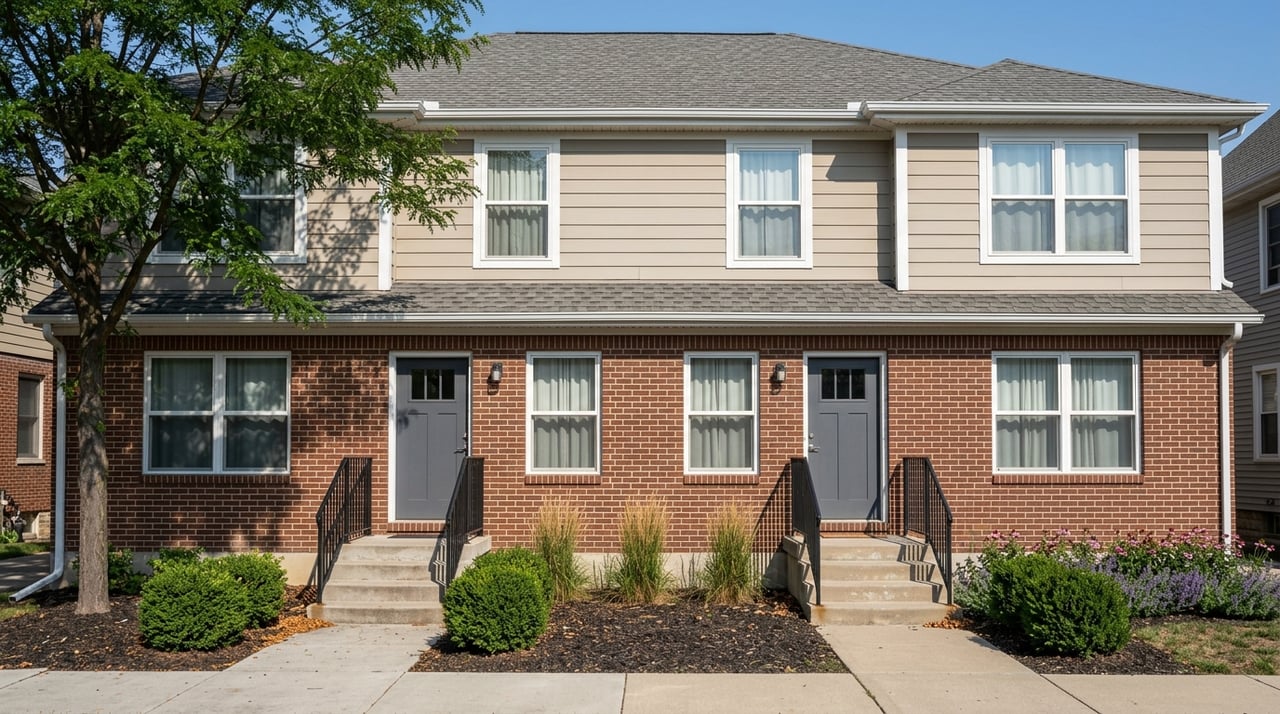
Wondering whether a duplex in Denver’s Highlands or LoHi is a smart move? You are not alone. Many buyers are drawn to these close-in neighborhoods for their walkability, character, and access to downtown, but a duplex purchase here comes with more moving parts than a typical condo or single-family home. If you want to understand what makes these properties appealing, what can trip buyers up, and how to size up a good opportunity, you are in the right place. Let’s dive in.
Why Highlands and LoHi attract duplex buyers
Highlands is one of Denver’s older northwest neighborhoods, with development that began in the 1870s. LoHi, or Lower Highland, sits within the broader Highlands area and is known for a mix of older homes and newer architecture, along with a high concentration of restaurants, bars, and views toward downtown and the Highland Bridge.
For buyers, that mix matters. You get a central Denver location with strong owner-occupant appeal, plus housing types that still include duplexes, triplexes, and other attached homes. That creates opportunity if you want a property that can support your lifestyle now and give you flexibility later.
What a duplex can offer you
A duplex can be a practical middle ground between a condo and a single-family home. Compared with a condo, you often have more control over the building and a clearer path to offset costs with rental income. Compared with a single-family home, a duplex can improve affordability by spreading housing costs across two households.
That said, the trade-offs are real. You may be taking on maintenance for the roof, exterior, and larger capital items. If you plan to rent one unit, you also need to be ready for more compliance steps and day-to-day management responsibilities.
Why duplexes can feel hard to find
Part of the challenge is the neighborhood itself. Much of Highlands and LoHi was built out on early- and mid-20th-century blocks, with homes dating from about 1890 to 1930 in many square carriage-block areas. Duplexes and triplexes are part of that pattern, but they are sprinkled throughout rather than concentrated everywhere.
That means inventory can feel limited. In these neighborhoods, the right duplex is often tied as much to the lot pattern, block character, alley access, and parking setup as it is to the number of bedrooms or finishes inside.
What the housing stock looks like
In and around Highland, you will see a wide mix of architectural styles, including Queen Anne, Craftsman Bungalow, Classic Cottage, Denver Square, Colonial and Dutch Revival, Mission, and Prairie homes. Many are brick masonry structures, often with rear garages and additions that have been built over time.
For you as a buyer, this matters because older duplexes can come with charm and useful layouts, but also quirks. Utility separation, parking access, rear garages, and past renovations may have a big effect on how functional the property really is.
Zoning is a parcel-by-parcel question
One of the biggest mistakes buyers make is assuming every block in Highlands or LoHi follows the same rules. Denver uses parcel-specific zoning, and the city’s official zoning map is the place to verify what applies to a specific address.
Denver’s zoning code defines a two-unit dwelling as two dwelling units in one structure on one zone lot. But whether a duplex is legal as it exists today, whether an addition was allowed, or whether future changes are possible can vary lot by lot. Setbacks, height limits, and conversion potential are not neighborhood-wide assumptions here.
Historic status can change your renovation plans
Some properties in the area may fall within a historic district or landmark area. When that is the case, exterior alterations, additions, signs, and certain site work may be subject to Landmark Preservation review.
This does not mean you should avoid the property. It does mean you should go in with a clear understanding of the approval process and any design standards that may apply. If you are planning updates, checking permit history and review requirements before closing is a smart step.
Rental rules you need to know
If your plan includes renting one or both units, Denver’s rules matter. The city’s Residential Rental Program requires a license for any building, structure, or accessory dwelling unit rented for 30 days or more, and that applies to duplexes.
Short-term rental plans are a separate issue. Under Denver’s zoning rules, short-term rentals must be operated by the person who maintains the primary dwelling unit as their primary residence, or in an ADU on the same zone lot as that primary residence. If you are thinking about buying a duplex purely as a vacation-rental investment, that is far more complicated than many buyers expect.
How to evaluate the numbers realistically
The Denver market has changed from the ultra-fast conditions many buyers remember. According to DMAR’s May 2026 report, Denver home prices rose from a $382,000 median in May 2017 to $615,000 in May 2026. At the same time, the market has been functioning more slowly, with closed sales down year over year, including a sharper decline in the attached segment.
That said, well-priced homes can still move quickly. DMAR reported a 14-day median time in MLS in April 2026 and a 99.44 percent close-to-list ratio. For you, the lesson is simple: use realistic rent assumptions, plan for ordinary negotiation, and avoid relying on aggressive appreciation to make the deal work.
Look beyond the mortgage payment
A duplex budget should include more than principal and interest. Denver reappraises real property every two years, and mill rates are set annually by taxing authorities, so your tax picture can change after closing.
You should also model:
- Property taxes
- Insurance
- Maintenance and repairs
- Vacancy
- Utilities, if not fully separated
- HOA costs, if any
- Property management, if you plan to outsource help
A duplex can still be a strong fit, but the math needs to work under normal conditions, not best-case assumptions.
Parking, alleys, and access matter more here
In older Highlands blocks, parking and access can be a bigger issue than buyers expect. The square-block pattern often relies on alleys and rear garages, and changes to driveways or curb cuts may trigger city review and possible improvements to adjacent public space.
That means you should confirm how each unit actually functions day to day. Does each side have sensible parking access? Is trash handling straightforward? Are utilities separately metered? These details can have a real impact on future rent, resale appeal, and your overall ownership experience.
Duplex vs. condo vs. single-family
If you are torn between property types, this quick comparison can help:
| Property Type | Potential Upside | Key Trade-Off |
|---|---|---|
| Duplex | More control and possible rent offset | More maintenance and compliance responsibility |
| Condo | Lower exterior maintenance burden | Less control over building decisions and HOA limits |
| Single-family home | Simpler occupancy and privacy | No built-in income offset |
In central Denver, attached homes do not always behave like detached homes. That is why the best comparison is usually property-specific, not just neighborhood-wide.
A practical duplex due diligence checklist
Before you buy a duplex in Highlands or LoHi, make sure you verify the details that matter most:
- Confirm the exact zoning for the parcel
- Check whether the property is in a historic district or landmark area
- Review permit history for additions, remodels, and conversions
- Verify rental license requirements if you plan to lease a unit
- Clarify short-term rental limitations before assuming that strategy is allowed
- Evaluate parking, alley access, curb access, and rear garage function
- Check whether utilities are shared or separately metered
- Run carrying-cost numbers using realistic rents, taxes, insurance, and maintenance assumptions
- Compare the property against similar attached options, not just detached homes nearby
A careful review upfront can save you from expensive surprises later.
What makes a strong duplex opportunity here
In Highlands and LoHi, the strongest duplex opportunities usually check several boxes at once. The parcel works from a zoning standpoint, the building function is clear, parking and access make sense, and the income potential supports the carrying costs.
Just as important, the property should fit your goals. Some buyers want help with monthly affordability by renting one side. Others want a long-term hold in a premium central Denver location. The right property is the one that matches both the neighborhood realities and your real-world plan.
Buying a duplex in Highlands or LoHi can be a smart move, but it is not a purchase to make on assumptions. In these neighborhoods, details drive value. If you want a calm, experienced guide to help you sort through the block-by-block differences, compare options, and negotiate with confidence, reach out to Dianne Goldsmith.
FAQs
What should you check before buying a duplex in Highlands or LoHi?
- You should verify parcel-specific zoning, historic status, permit history, rental licensing needs, utility setup, parking access, and realistic carrying costs before closing.
Can you use a Highlands or LoHi duplex as a short-term rental investment?
- Denver’s zoning rules limit short-term rentals to a primary residence setup, so buying a duplex purely as a vacation-rental investment can be much more complicated than many buyers expect.
Do duplexes in Highlands and LoHi come up often?
- Duplexes exist throughout the area’s older housing stock, but they are scattered across blocks rather than concentrated, which can make inventory feel limited.
Why does zoning matter so much for a Denver duplex?
- Denver uses parcel-specific zoning, so legality, setback rules, height limits, and future change potential need to be confirmed for the exact property rather than assumed from the surrounding block.
Are older duplexes in Highlands harder to renovate?
- They can be, especially if the property is in a historic district or landmark area where exterior changes and some site work may require additional review.
How should you compare a duplex to a condo or single-family home in central Denver?
- A duplex may offer more control and income offset potential, but it also brings more maintenance and compliance responsibility, so the best comparison is based on the specific property and your goals.