Wondering whether Broomfield feels more like a suburb, a city, or something in between? The answer is a big reason so many buyers keep it on their short list. If you are looking for a place with commuter access, outdoor space, and a mix of home options, Broomfield offers a lifestyle that can fit several stages of life. Let’s dive in.
Broomfield at a Glance
Broomfield stands out because it is both a city and a county, not just a typical suburb. The U.S. Census Bureau estimates the population at 79,174 as of July 1, 2025, and the city says it covers about 34 square miles.
That size gives you a little of everything. Broomfield describes itself as a connected community between Denver and Boulder, with a multimodal transportation network and more than 8,000 acres of public and private open lands.
For many buyers, that is the main appeal. You get access to major job centers, everyday conveniences, and a strong outdoor lifestyle without feeling locked into one type of housing or one style of living.
Location and Commute Benefits
One of the biggest advantages of living in Broomfield is where it sits along the Denver-Boulder corridor. US 36 runs through the city and serves as the primary highway connection between the two metros.
That matters if you commute in either direction or want flexibility for work, errands, and entertainment. The corridor also includes managed lanes and a parallel multi-use path, so getting around is not limited to driving.
Transit Options in Broomfield
Broomfield has useful transit access for a suburban market. RTD serves the area at US 36 & Broomfield Station and US 36 & Flatiron Station, with local, regional, express, FlexRide, and airport service options listed by the city.
The Flatiron Flyer adds another layer of convenience. It is a high-frequency bus rapid transit service on the US 36 corridor between downtown Denver and Boulder, with stops that pass through Broomfield.
If you like to mix commuting methods, the city also notes Bike-N-Ride shelters at both US 36 stations. Combined with local multi-use paths, bike lanes, and trails, that gives you more than one way to move through the area.
Outdoor Living Is a Major Draw
If outdoor access is high on your list, Broomfield has a lot to offer. The city reports 8,699 acres of public and private open space, parks, and other open lands within its planning area, which equals 36% of the total land area.
That is not a small feature. It is one of the defining parts of daily life here, especially if you want room to walk, bike, run, or simply spend more time outside close to home.
Trails and Open Lands
Broomfield reports 396 miles of trails, including multi-use paths, detached sidewalks, soft-surface trails, and bike lanes. That network supports both recreation and practical day-to-day movement.
The city’s long-term goal is to reach about 40% open lands. For you as a resident, that points to an ongoing commitment to preserving access to outdoor spaces as the community grows.
Parks and Recreation Spaces
Broomfield County Commons Park is one of the city’s better-known recreation areas at about 85.9 acres. The city also highlights Interlocken East and West parks, which include amenities such as picnic areas, ballfields, soccer, tennis, trails, and open grass.
This kind of park system gives you options for casual afternoons, organized recreation, and simple daily routines like walking the dog or meeting friends outdoors. The city also supports trail maps and the Broomfield 100 trail adventure system, which adds more structure for residents who want to explore.
Shopping, Dining, and Gathering Places
Broomfield offers more than just residential neighborhoods and commuter routes. It also has several areas that serve as practical hubs for shopping, dining, entertainment, and community activity.
FlatIron Crossing is the biggest retail anchor in west Broomfield. Its official site says it has more than 175 stores and restaurants, along with an enclosed mall and an outdoor shopping, dining, and entertainment district with a movie theatre.
FlatIron Crossing and Arista
For many residents, FlatIron Crossing covers a lot of daily needs in one place. It also plays a larger role in the city’s long-term planning, with Broomfield identifying it as one of several developing places and noting ongoing reinvestment as a mixed-use district.
Arista is another important community node. It is not just a business area, since city events like the 2026 BrewHaHa are scheduled at Arista Park on Arista Place, showing that the area already functions as a gathering place for residents.
A City Still Shaping Its Centers
Broomfield’s own planning documents note that the city has historically lacked recognized gathering places because of its geography and development pattern. That helps explain why places like FlatIron Crossing, Arista, Baseline Center Street, Broomfield Town Square, and the Broomfield Urban Transit Village matter so much.
For you, that means Broomfield may feel a little different from older towns with one traditional downtown core. Instead, it offers a handful of developing districts that support everyday convenience and community activity in different parts of the city.
Housing Options in Broomfield
Housing variety is one of Broomfield’s strongest practical advantages. The city says its housing includes starter homes, townhomes, condos, high-end apartments, affordable rentals, and million-dollar executive homes.
That range makes Broomfield easier to consider whether you are buying your first home, moving up, downsizing, or relocating from another part of the Denver metro. It is not a one-price-fits-all market, and that flexibility can be helpful if you want choices.
What Homes Look Like Here
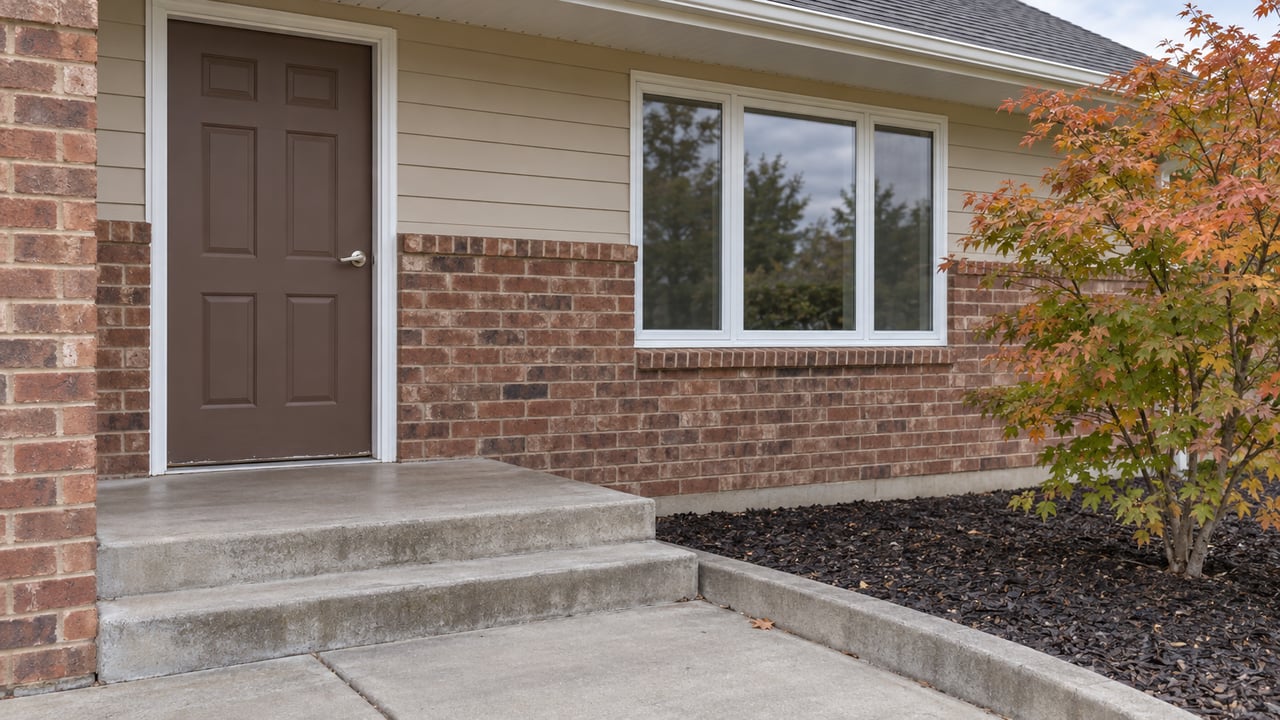
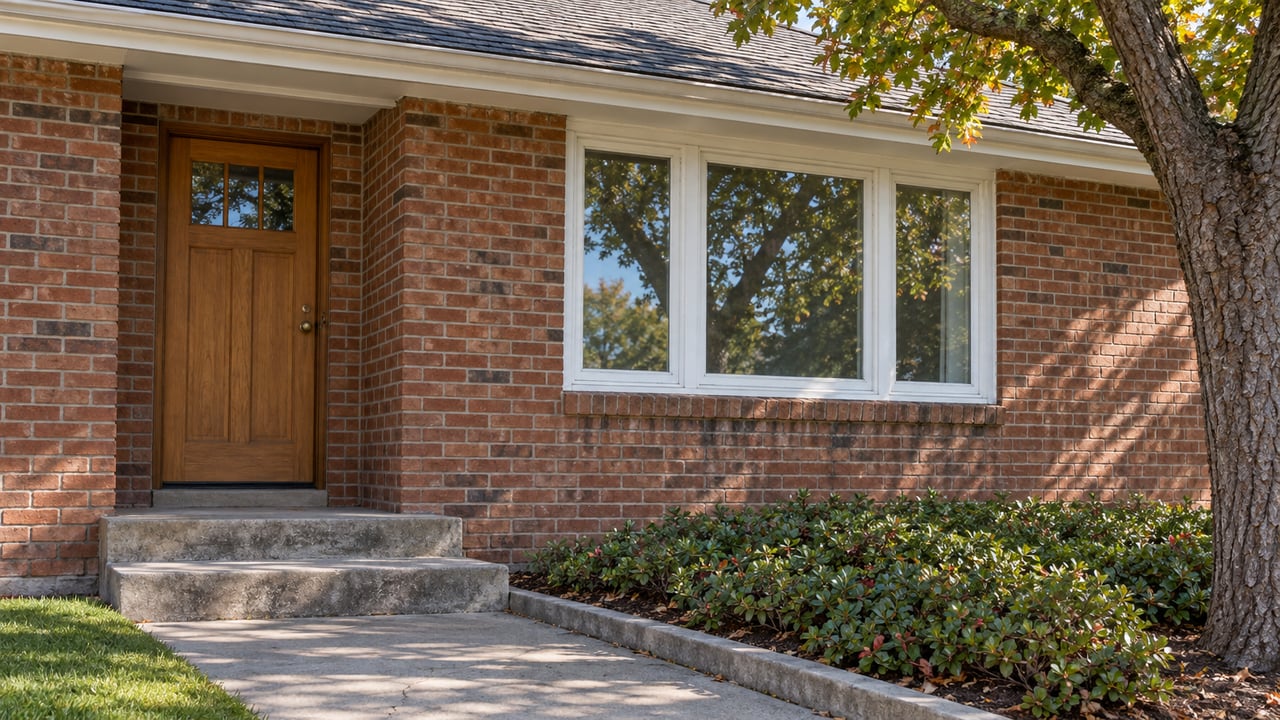
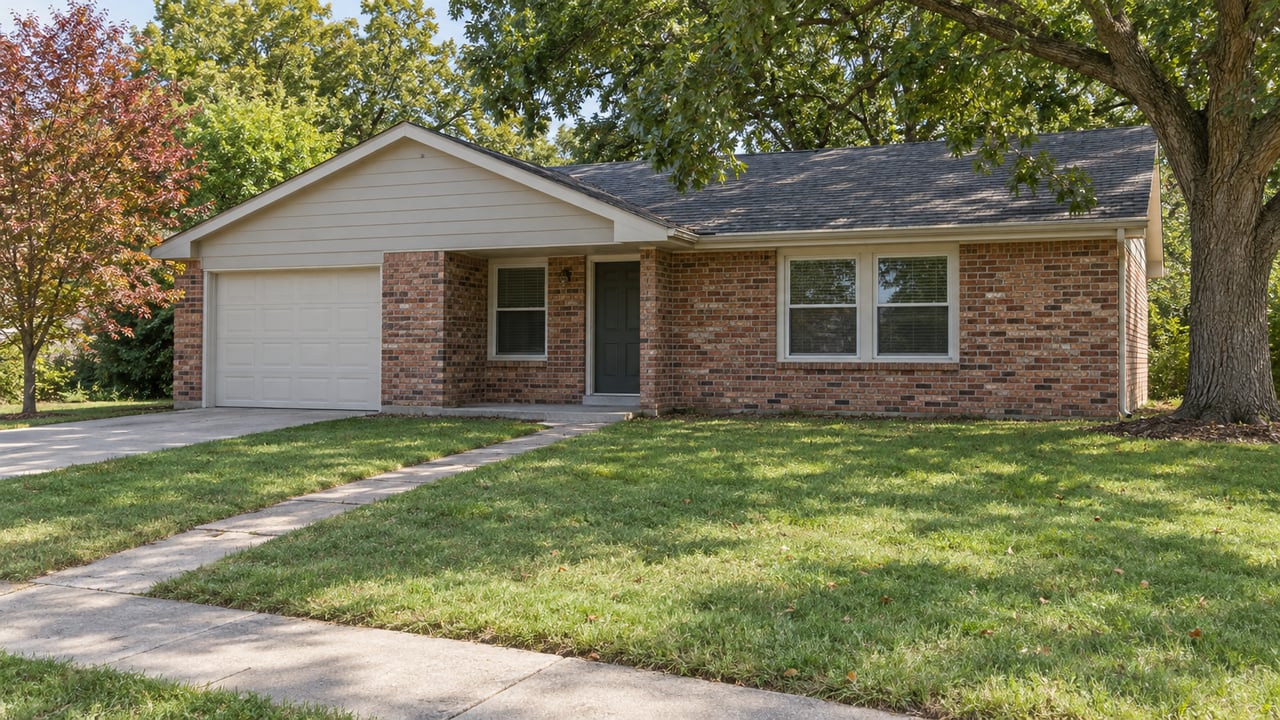
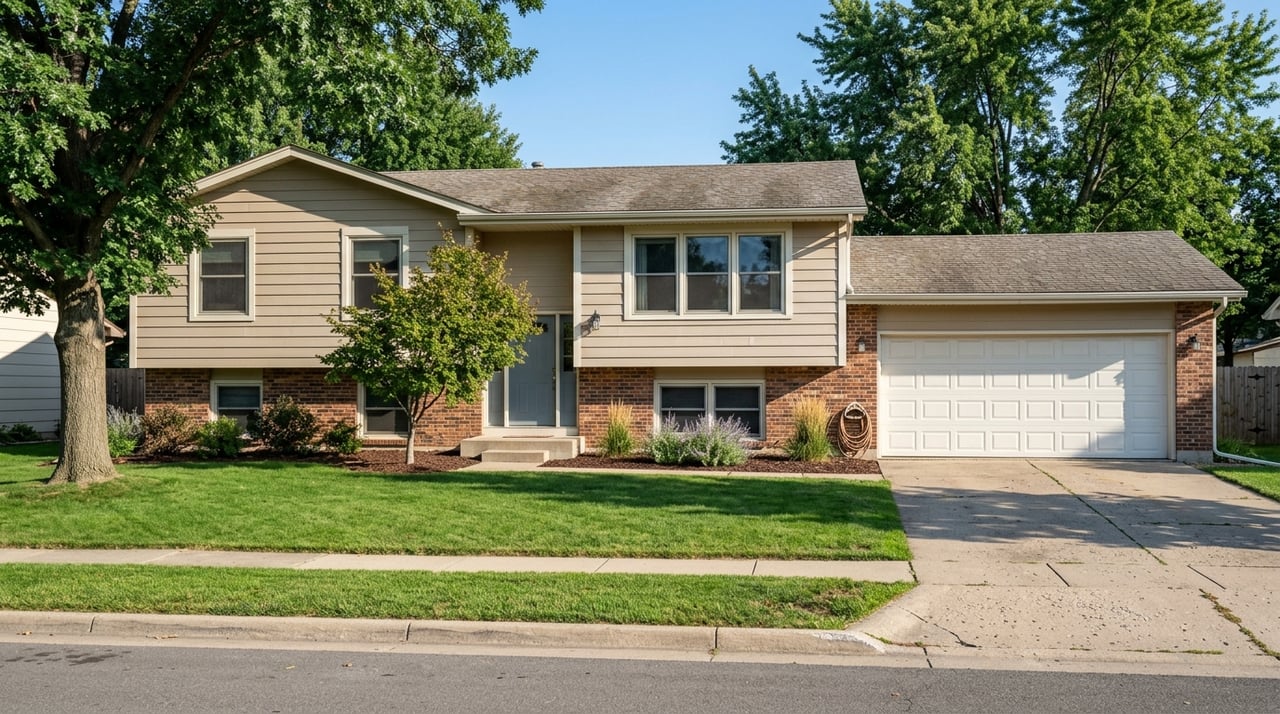
Broomfield’s housing stock spans older single-family neighborhoods, newer master-planned areas, condos, townhomes, and apartment communities. In real terms, that means you can find both attached and detached housing across a broad price range.
If you are comparing lifestyle tradeoffs, this mix matters. Some buyers may prioritize lower-maintenance attached housing, while others may want more interior space or a different neighborhood setting.
Current Price Snapshot for 80020
In ZIP code 80020, Redfin shows a March 2026 median sale price of $582,495. Citywide, Redfin’s Broomfield median sale price was $622,000 in March 2026, while Zillow’s April 2026 typical home value was $633,507.
That suggests 80020 may currently sit somewhat below the broader city median, though prices can vary quite a bit by neighborhood and property type. In a market like this, the number on the headline does not tell the full story.
Attached homes currently offer a lower entry point. Redfin shows Broomfield condos at a median listing price of $410K and townhouses at $530K, while Zillow lists an average rent of $1,943 as of April 30, 2026.
Neighborhood value estimates also show a wide spread. Zillow places Broadlands at about $678,956 and Wilcox at about $1.289 million, with other neighborhoods such as Red Leaf, The Outlook, and Wildgrass in between.
What Daily Life Feels Like
Living in Broomfield often means balancing convenience with breathing room. You can access shopping centers, transit stations, and major roads, then spend the same day on trails or in parks without going far.
That blend can be especially appealing if you want flexibility. You are not choosing only between urban access and outdoor living. In Broomfield, those two priorities often sit side by side.
It also helps that the housing stock is broad. Whether you are looking for a condo, townhome, rental, or single-family home, Broomfield gives you a better chance of finding a match that fits your budget and your next step.
Is Broomfield Right for You?
Broomfield may be a strong fit if you want a location between Denver and Boulder, a large trail and open-space system, and a housing market with real variety. It can also make sense if you want everyday retail and dining options close by without depending on one downtown district.
If you are thinking about a move, the key is to match your budget, commute, and preferred home style with the right part of the city. That is where local guidance can save you time and help you narrow the search.
If you are considering a move to Broomfield or want help comparing neighborhoods, home styles, and price points, Dianne Goldsmith can help you make a confident plan with clear, local guidance.
FAQs
What is Broomfield CO known for?
- Broomfield is known for its location between Denver and Boulder, its large amount of open space, its extensive trail system, and its mix of housing options ranging from condos and townhomes to higher-end single-family homes.
What is the commute like from Broomfield CO?
- Broomfield has strong regional access through US 36, plus transit options at US 36 & Broomfield Station and US 36 & Flatiron Station, including local, regional, express, FlexRide, airport service, and the Flatiron Flyer.
What outdoor amenities are available in Broomfield CO?
- The city reports 8,699 acres of open space, parks, and other open lands, along with 396 miles of trails and recreation areas such as Broomfield County Commons Park and Interlocken East and West parks.
What types of homes are available in Broomfield CO?
- Broomfield includes starter homes, townhomes, condos, apartments, rentals, and million-dollar executive homes, with both older single-family neighborhoods and newer planned communities.
What is the home price range in Broomfield CO 80020?
- In 80020, Redfin shows a March 2026 median sale price of $582,495, while attached homes may offer lower entry points, with Broomfield condos at a median listing price of $410K and townhouses at $530K.
Does Broomfield CO have shopping and dining options?
- Yes. FlatIron Crossing is a major retail and dining hub with more than 175 stores and restaurants, and areas like Arista and other developing districts also serve as gathering places and activity centers.