If you want a Denver neighborhood that feels both established and easy to live in, Congress Park makes a strong case right away. You get leafy residential streets, recognizable historic character, local coffee and dining, and quick access to some of the city’s best-known green spaces. For buyers and sellers alike, it helps to understand why this area feels so connected to daily life outdoors. Let’s dive in.
What porch-and-park living means here
In Congress Park and the nearby East 7th Avenue Historic District, “porch-and-park living” is more than a catchy phrase. It reflects the way homes, sidewalks, tree lawns, and parkways work together to shape the feel of the neighborhood. Instead of homes turning away from the street, many properties open toward it with front porches, porticos, columns, and generous setbacks.
That design creates a softer line between private and public space. Historic surveys describe broad tree lawns between sidewalks and curbs on the interior residential streets, and those details matter. They make walks feel greener, blocks feel calmer, and everyday movement feel more social and inviting.
A neighborhood with history you can see
Congress Park is bounded by York Street, Colfax Avenue, Colorado Boulevard, and Sixth Avenue. According to Denver Public Library, the area traces back to Capitol Heights, which was platted in the late 1880s as tram lines extended along key corridors. The name Congress Park became common later, after real estate agents popularized it in the 1970s.
Next door, the East 7th Avenue Historic District adds another layer of identity. Denver Public Library describes it as Denver’s largest historic district, developed mainly from the 1890s through the 1930s. Its parkway layout reflects the City Beautiful era, which still shapes the visual rhythm of the streets today.
That history helps explain why the area feels polished but not stiff. Early residents included people from a wide range of backgrounds, from wealthy homeowners to clerks, laborers, entrepreneurs, and socialites. The result is a neighborhood that feels stately in places and comfortably lived-in in others.
Streetscapes that feel connected
One of the strongest qualities in Congress Park is the contrast between the quiet interior blocks and the busier corridor edges. Historic Denver’s survey notes that the historic feel is strongest on the interior residential streets. Those are the blocks where mature trees, broad lawns, and older homes create the neighborhood’s most memorable setting.
Along the edges, the mood shifts a bit. East 12th Avenue, Colfax, and Colorado Boulevard have long served as small business and commercial corridors, which supports a practical day-to-day routine without changing the area’s primarily residential character. That balance is part of what keeps Congress Park appealing to so many different buyers.
Homes with character and range
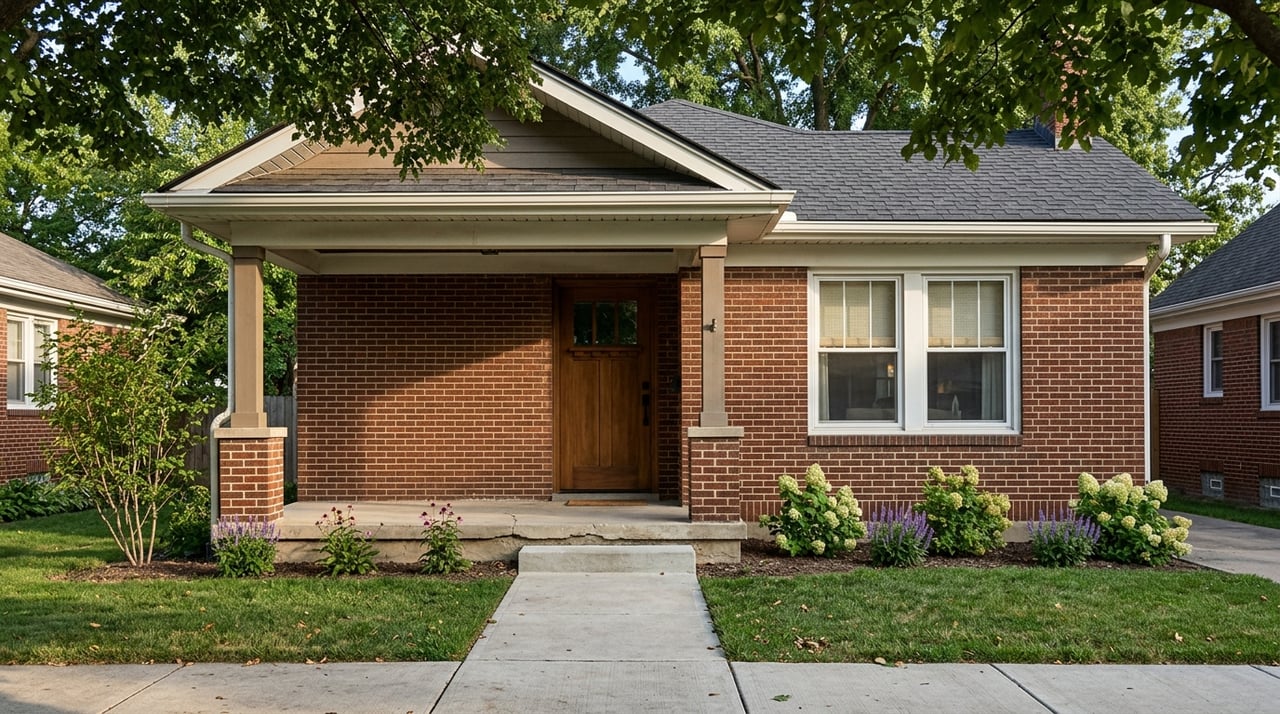
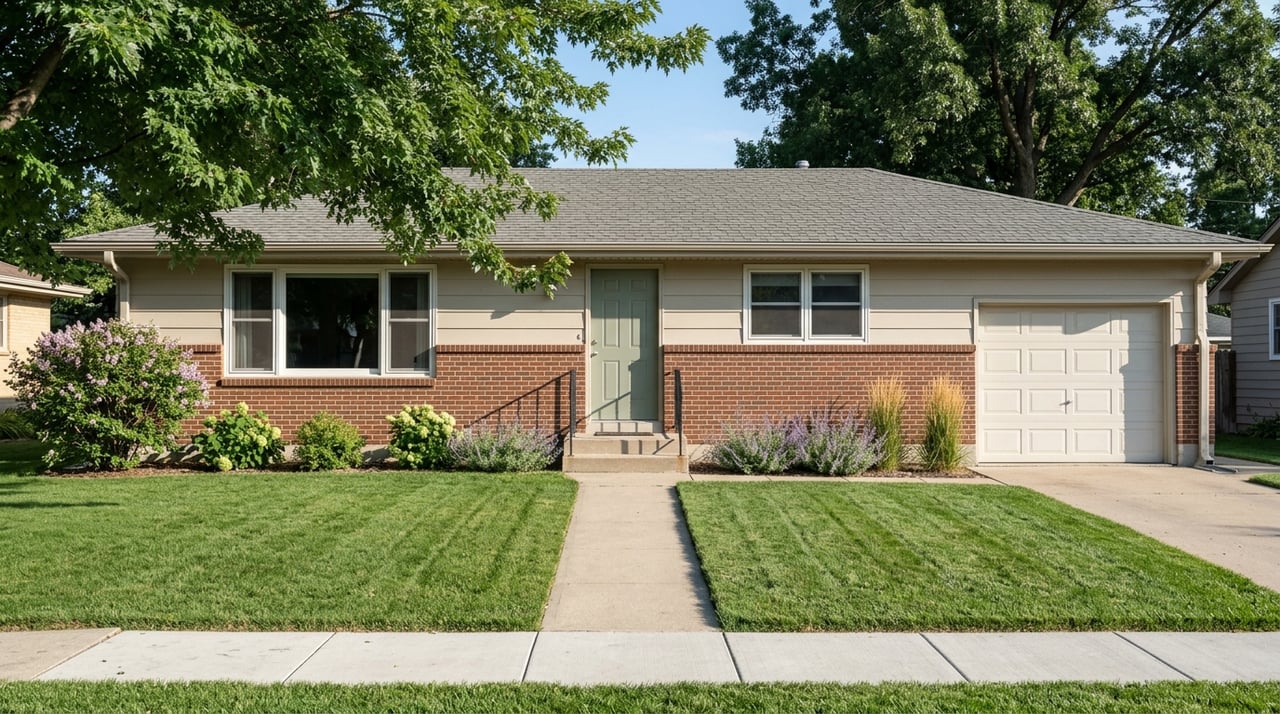
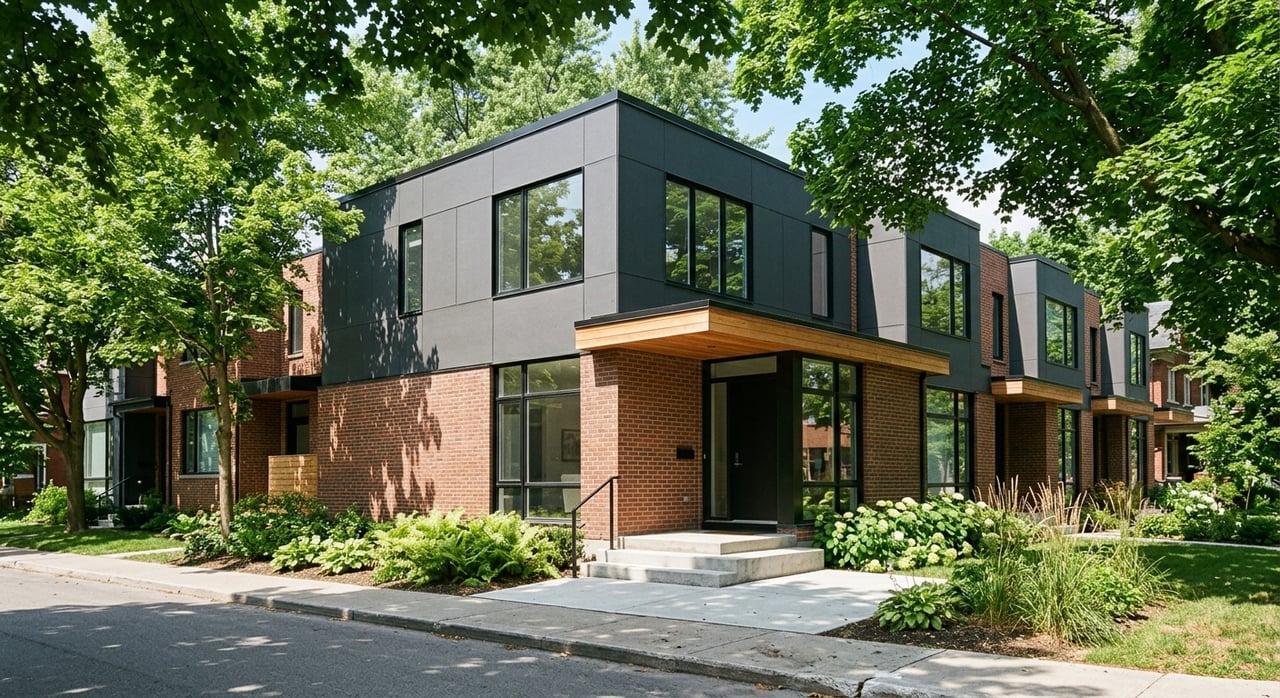
If you are home shopping in Congress Park, the housing mix is a big part of the appeal. Denver Public Library and Historic Denver note a range of building types, including Queen Anne and Victorian homes, Craftsman Denver Squares, 1920s bungalows, duplexes, apartment buildings, and adaptive-reuse condos. That gives the neighborhood visual variety and opens the door to different lifestyle needs.
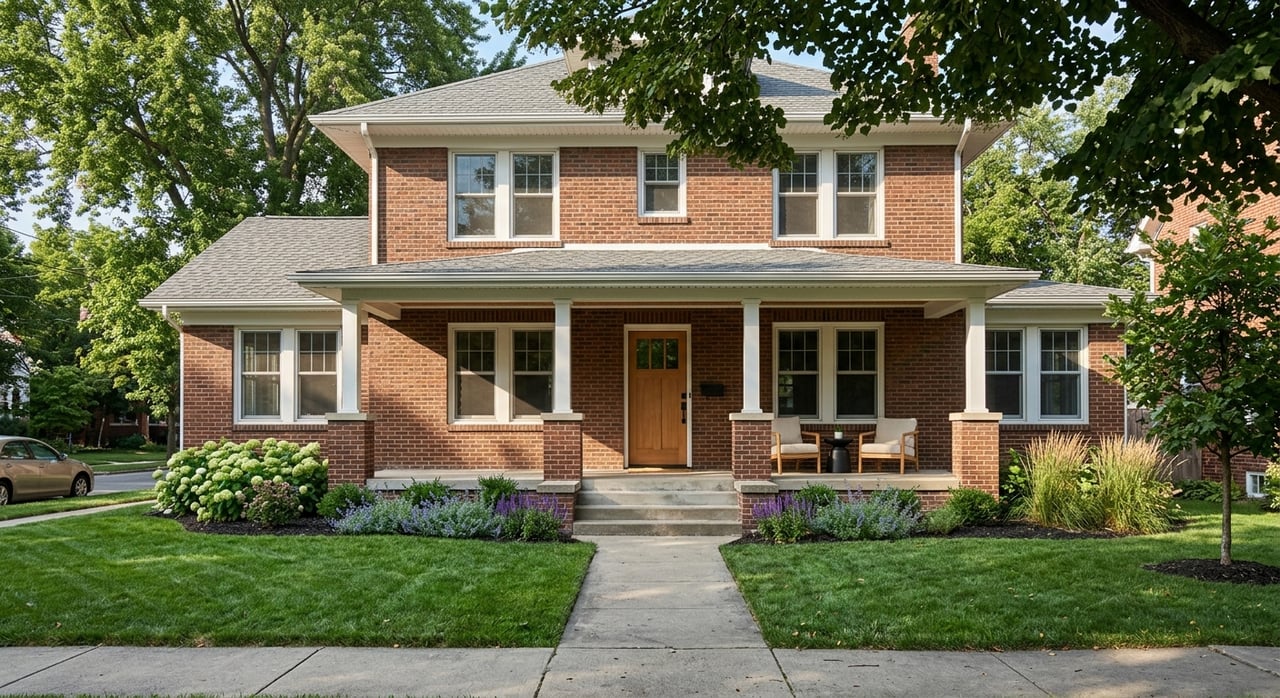
You can also see how the architecture supports the “porch” side of the story. Many homes include front porches, porch columns, porticos, or substantial porch piers. Those details are not just decorative. They shape how homes meet the street and contribute to the neighborhood’s open, welcoming feel.
In the East 7th Avenue Historic District, the pattern shifts again. Larger homes were built along the parkway, while smaller homes generally sit on the north-south streets. That creates a setting that feels grand on the boulevard and more intimate once you turn onto the side streets.
The role of Congress Park itself
The park is not just a name. It is part of the neighborhood’s everyday rhythm. Denver reports that playground and walk improvements at Congress Park were completed in Summer 2024, and the courts replacement project preserved tennis use while planning for future pickleball lighting infrastructure.
The city also notes that Congress Park has historically hosted tennis tournaments. Today, that helps reinforce the park’s identity as an active, programmed neighborhood space. In the East Central Area Plan, Congress Park is described differently from larger nearby green spaces because it is more fully programmed with specific uses and amenities.
That matters if you want regular outdoor options close to home. Some parks are best for wide-open lawn and passive time outdoors, while Congress Park supports a more structured routine as well.
Nearby parks widen your options
Living in Congress Park also means you are part of a broader east-central Denver park network. The East Central Area Plan identifies Congress Park, City Park, Cheesman Park, and Governors Park among Denver’s largest and most iconic parks. It also notes that City Park and Cheesman Park offer extensive passive green space.
So while Congress Park itself brings more programmed amenities, the surrounding area gives you additional choices for longer walks, open lawns, and park-centered weekends. That variety adds depth to the neighborhood lifestyle. You are not relying on a single park experience.
City Park also plays an important role at the community level. Denver identifies it as the neighborhood and community park for eight neighborhoods, including Congress Park. That reinforces how connected this area is to some of the city’s most established public spaces.
Why the 7th Avenue Parkway stands out
If there is one feature that best captures the “park” side of porch-and-park living, it may be the East 7th Avenue Parkway. Denver Public Library notes that East 7th Avenue Parkway, the Cheesman Esplanade, and Williams Street Parkway connect major park spaces including Cheesman Park, City Park, and Washington Park. These connections are a defining part of the district’s identity.
Denver’s parkway design guidance emphasizes preserving the original street, tree lawn, walks, vegetation, and the open space created by building setbacks. In practical terms, that means the streetscape itself becomes part of the outdoor experience. The roadway, the lawns, the sidewalk, and the homes read as one connected scene.
For buyers, that often translates into a strong sense of place. For sellers, it helps explain why block-by-block location can shape how a home is experienced and marketed.
A local routine that stays close to home
Congress Park is not only about historic homes and green space. It also supports a neighborhood-scale daily routine. Current coffee and breakfast anchors include Huckleberry Roasters at 801 Colorado Blvd, Novo Coffee at 1200 Clayton St., and The French Press in the Congress Park Historic District.
For evening plans, the area includes Sienna Wine Bar & Small Plates at 3434 E. 12th Avenue and Bamboo Sushi at 1160 Madison St. These businesses fit the long-standing pattern of small hubs and commercial edges in and around the neighborhood. You can keep many daily habits local while still living in a primarily residential setting.
That mix is a big reason Congress Park feels practical as well as charming. You are not choosing between peaceful blocks and useful amenities. In many cases, you get both.
Central Denver without losing neighborhood feel
Congress Park benefits from being centrally placed within Denver’s East Central planning area. The East Central Area Plan covers a connected group of neighborhoods with shared goals around housing, parks, mobility, and neighborhood economy. That broader planning context supports the sense that Congress Park is part of a larger, connected part of the city.
If you are relocating or comparing central Denver neighborhoods, this is an important point. Congress Park feels residential and historic on the inside, but it is not isolated. Park Avenue is identified as a key historic parkway linking the Colfax corridor and surrounding neighborhoods to downtown, which helps explain the area’s strong sense of connection.
What buyers should notice
If you are considering a move here, it helps to look beyond square footage and finishes. In Congress Park, the feel of the block can be just as important as the home itself. Setbacks, porches, tree canopy, and proximity to parkways or commercial edges all shape how daily life unfolds.
A few details worth paying attention to include:
- Whether the home sits on a quiet interior block or closer to an active edge
- The housing type, such as single-family, duplex, condo, or apartment-style residence
- How the front entry and porch relate to the street
- Access to Congress Park, City Park, Cheesman Park, or the 7th Avenue Parkway network
- The mix of nearby coffee, dining, and everyday services
For many buyers, Congress Park works because it offers character without feeling frozen in time. The neighborhood has history, but it also supports modern routines.
What sellers should understand
If you are selling in Congress Park or the 7th Avenue Historic District, your home’s story matters. Buyers are often responding to more than the house alone. They are also reacting to the block, the streetscape, the porch presence, and the connection to parks and local businesses.
That means thoughtful pricing, positioning, and marketing are especially important here. A condo in an adaptive-reuse building, a bungalow on an interior street, and a larger home near the parkway may all appeal to different buyers for different reasons. Clear neighborhood context helps people understand value.
This is where local knowledge makes a difference. When you can explain not just what the home is, but how it lives within Congress Park, the listing becomes more compelling.
If you are thinking about buying or selling in Congress Park, working with a neighborhood-focused expert can help you see the details that matter most. Reach out to Dianne Goldsmith for thoughtful guidance grounded in central Denver experience.
FAQs
What is Congress Park in Denver known for?
- Congress Park is known for its historic residential character, front-porch architecture, tree-lined interior streets, local business nodes, and access to parks including Congress Park, City Park, and Cheesman Park.
What is the East 7th Avenue Historic District in Denver?
- The East 7th Avenue Historic District is Denver’s largest historic district, developed mainly from the 1890s through the 1930s, with a parkway layout and a mix of larger boulevard homes and smaller side-street homes.
What kinds of homes are in Congress Park?
- Congress Park includes Queen Anne and Victorian homes, Craftsman Denver Squares, 1920s bungalows, duplexes, apartment buildings, and some adaptive-reuse condos.
What parks are near Congress Park Denver?
- In addition to Congress Park itself, the area is closely connected to City Park, Cheesman Park, and Governors Park through the broader East Central Denver park network.
Is Congress Park more residential or commercial?
- Congress Park is primarily residential, with the strongest historic character on interior blocks, while commercial activity and small business hubs are concentrated along edges such as East 12th Avenue, Colfax, and Colorado Boulevard.