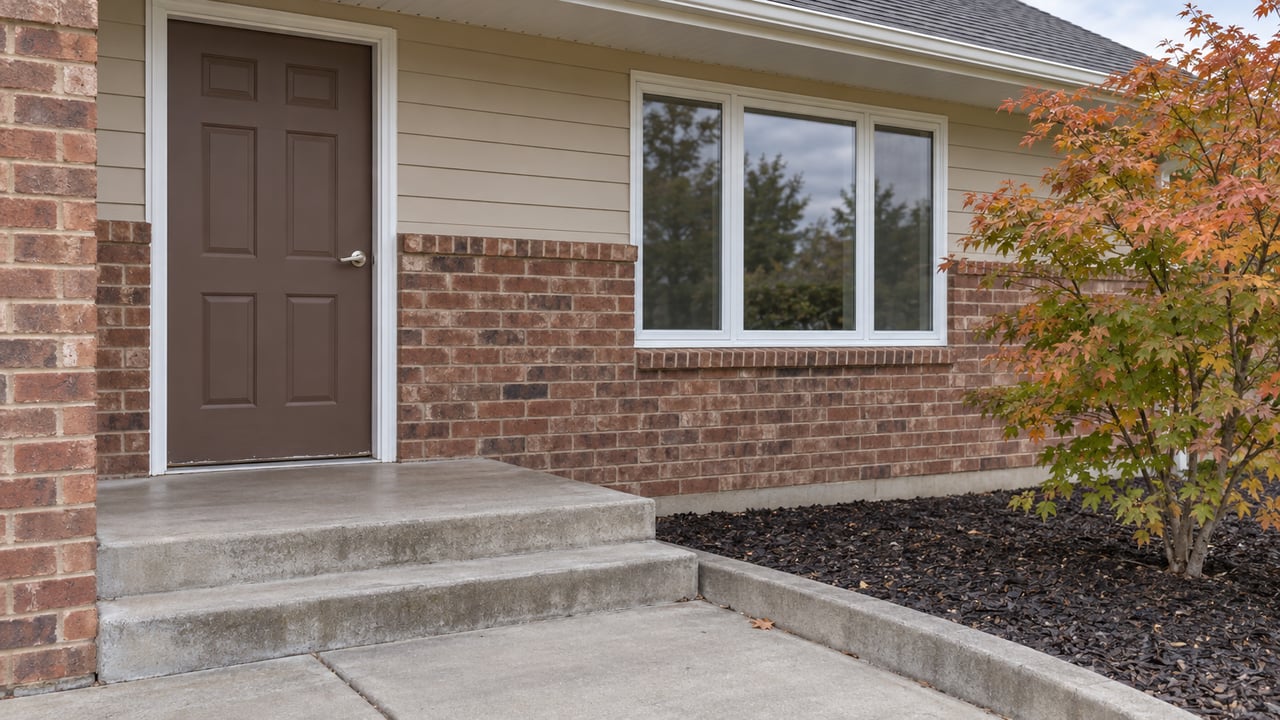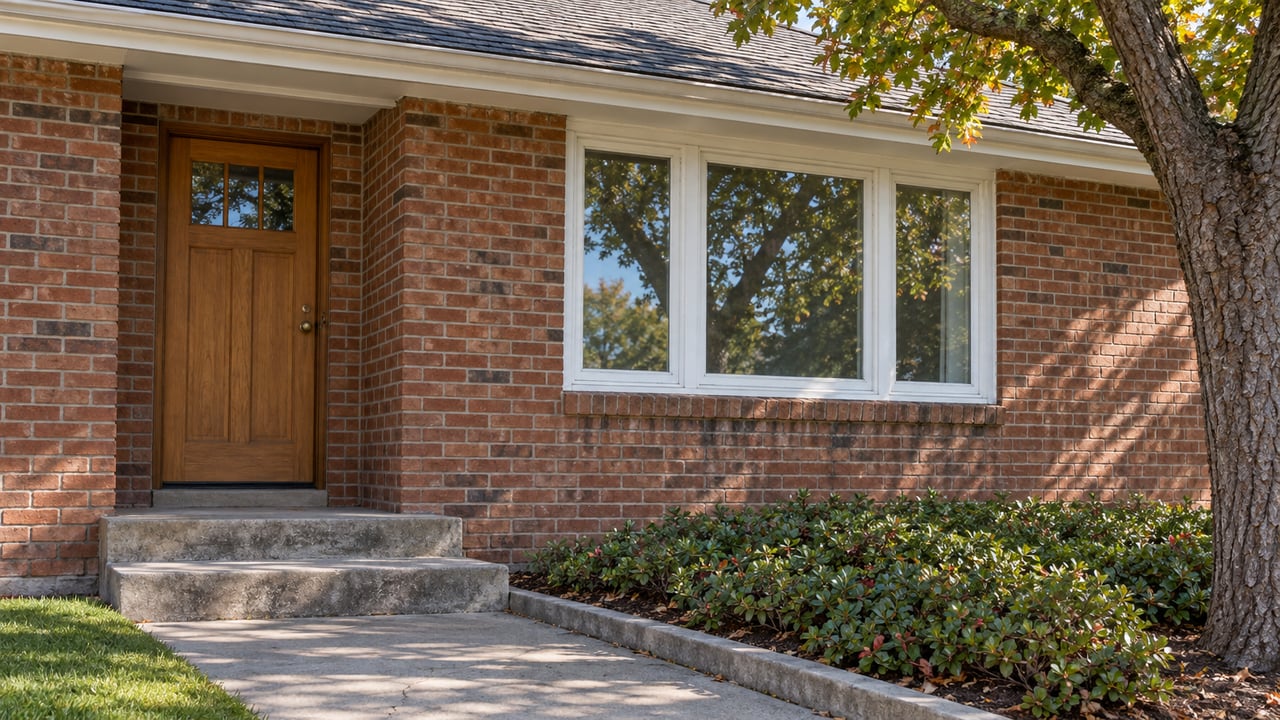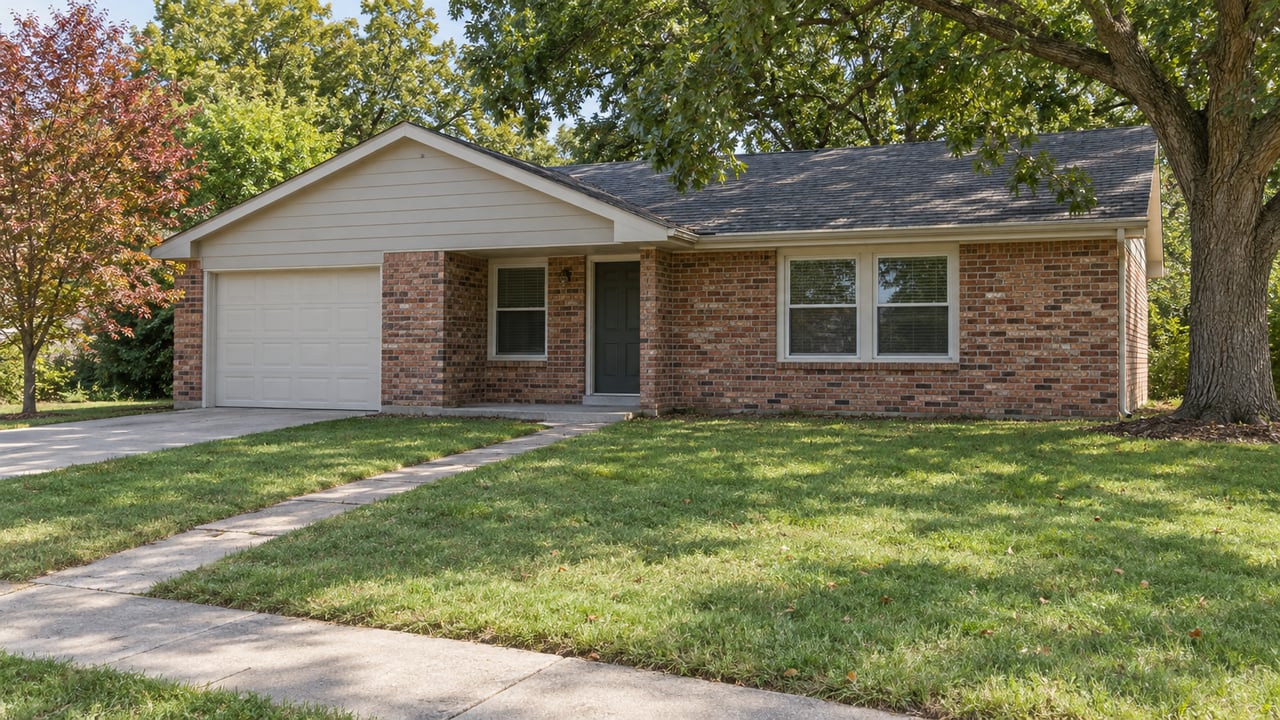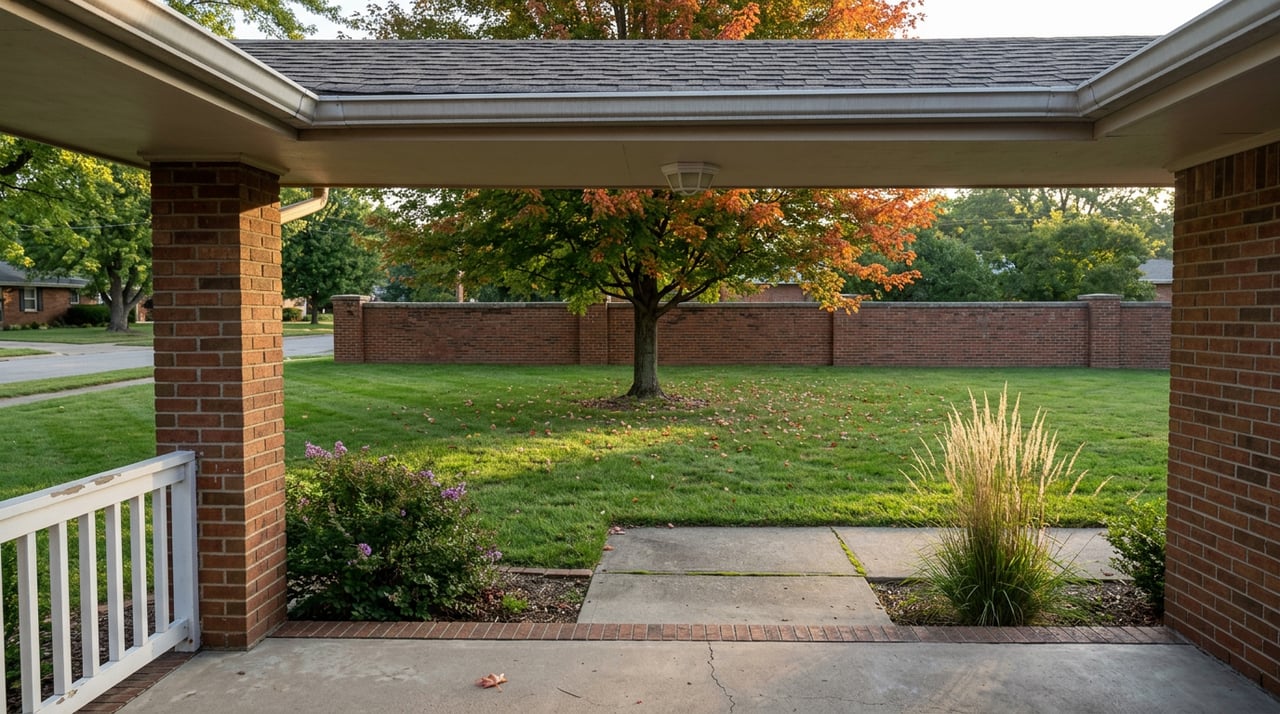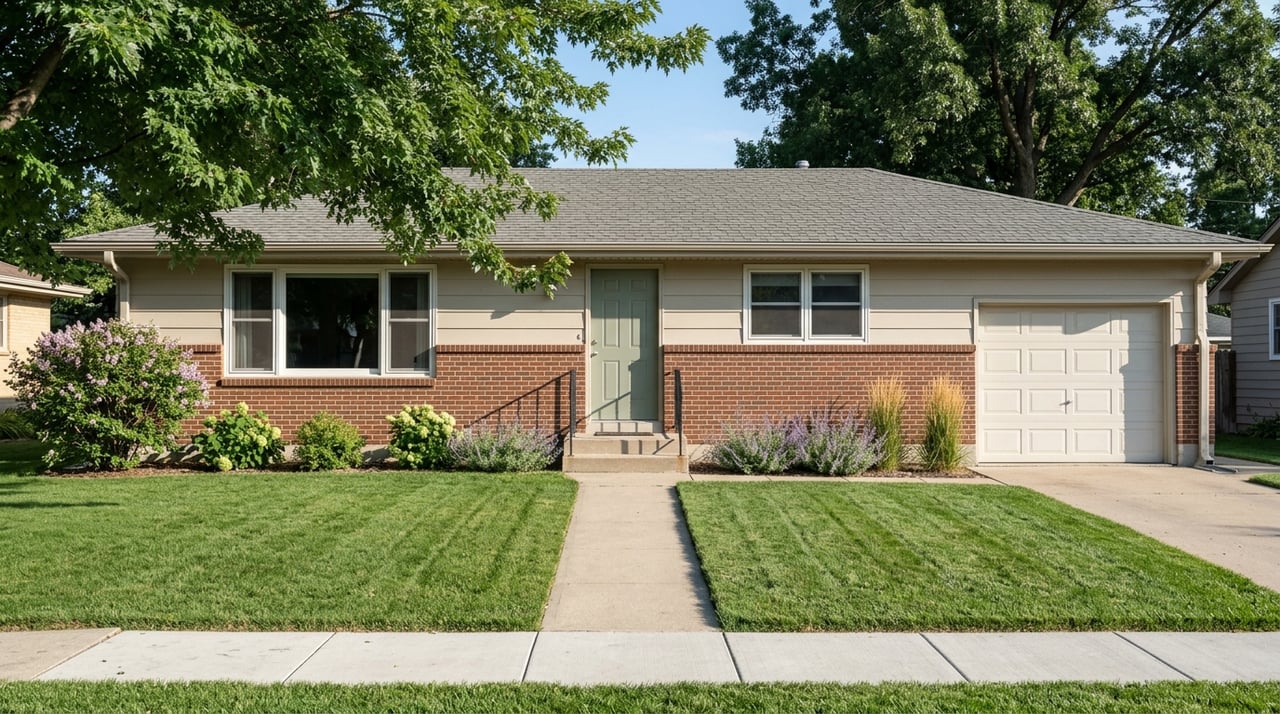
Wondering whether an older home or a newer one makes more sense in Arvada? You are not alone. In a city with established neighborhoods, historic areas, and newer development still taking shape, the right choice often comes down to how you want to live day to day. This guide will help you weigh the real trade-offs so you can move forward with more clarity and confidence. Let’s dive in.
Arvada Gives You Both Options
Arvada offers a mix that many buyers find appealing. It is a largely owner-occupied market, with 74.9% of housing units owner-occupied, a median owner-occupied home value of $600,800, and a median gross rent of $1,802. The housing stock also leans older, with roughly three-quarters of homes built before 2000.
That matters because you are not choosing in a market made up of just one type of home. Arvada still skews heavily toward single-family detached homes, which make up 71% of the housing mix, but the city is also seeing more missing-middle and multifamily development. In simple terms, you may be comparing a mid-century ranch, a townhome, and a newer paired home all within the same search.
Why Older Homes Appeal in Arvada
Older homes in Arvada often attract buyers who care most about location, character, and established surroundings. If you like mature trees, a more settled neighborhood pattern, or being closer to historic areas, older housing can be a strong fit.
Olde Town Arvada is one of the clearest examples. The city describes it as a historic downtown area with residential living, shopping, dining, and one of Arvada’s G Line stops. For many buyers, that creates a lifestyle advantage that can be hard to duplicate in newer areas.
Established Neighborhood Feel
Many of Arvada’s older homes were built between 1950 and 1979. That means you will often find homes in neighborhoods that have had decades to grow into themselves. Streets, landscaping, and surrounding amenities may feel more established than in a newer development.
This does not automatically mean an older home is better. It simply means the feel of the area may be part of the value you are buying. For some buyers, that neighborhood character is worth taking on a few future projects.
Access to Olde Town and Transit
If your routine includes commuting or enjoying nearby shops and restaurants, location can carry a lot of weight. Olde Town includes one of three G Line stations in Arvada, and the G Line connects to Denver Union Station. Arvada also has stops at Arvada Ridge and Gold Strike, along with bus and call-n-ride service.
That makes some older homes especially attractive if they sit closer to these transit options. In Arvada, two homes with similar price tags can feel very different once you factor in train access or drive times.
Potential for Larger or More Traditional Lots
Lot size in Arvada is best evaluated neighborhood by neighborhood, not just by home age. Still, many buyers associate older detached-home areas with a more traditional lot pattern. In contrast, some newer housing types trade private yard space for density, shared walls, or common areas.
If having a yard matters to you, this is a detail worth checking early. The age of the home may influence the lot form, but it does not guarantee it.
Trade-Offs With Older Homes
The biggest question with an older home is usually maintenance. Arvada’s planning documents note that homes from the 1950 to 1979 period are more likely to need repairs related to deferred maintenance or aging systems.
That does not mean every older home will need major work. Some have been updated carefully over time. Others may still have older components that could affect your budget after closing.
Repairs and Aging Systems
When you tour older homes, pay attention to the practical items behind the charm. Think about the roof, windows, heating and cooling systems, plumbing, and electrical updates. A home with a great location can still become expensive if several major systems are near the end of their life.
This is where a calm, detailed review matters. You want to know whether you are buying a home that has already had key updates or one that may need them sooner rather than later.
Accessibility Updates May Be Needed
Arvada’s housing needs report notes that homes built before 2000 predate accessibility requirements for residential multifamily construction. In practical terms, that means some older properties may be less likely to include features such as stepless entry or other easier-access design elements.
If accessibility is important to your household now or may become important later, keep that on your checklist. Even small differences in entry, layout, or bathroom design can affect how well a home works for you over time.
Lead Paint for Pre-1978 Homes
If you are considering a home built before 1978, lead-based paint is one more issue to understand. The EPA says housing from that period may contain lead-based paint, and buyers of most pre-1978 homes have the right to disclosure of known lead-based paint information before signing a contract.
This does not mean you should avoid older homes. It means you should go in informed and make sure the property disclosures are reviewed carefully.
Why Newer Homes Appeal in Arvada
Newer homes often attract buyers who want more modern systems and less immediate maintenance. If your top goal is to move in with fewer near-term projects, newer construction may feel more comfortable.
In Arvada, newer homes are also more likely to reflect a more current building-code baseline. The city’s current adopted codes include the 2018 IRC and 2018 IECC, and it is in the process of amending its building codes to align with the 2024 International Codes.
More Modern Code Baseline
For buyers, this often translates into a more modern starting point for construction and energy performance. That does not guarantee lower utility costs or perfect efficiency, since builder choices and owner upgrades still matter. Still, newer homes are more likely to begin with a newer energy-envelope baseline than older homes.
If you value newer windows, insulation standards, and more current building practices, this can be a meaningful advantage.
Contemporary Layouts and Lower Short-Term Upkeep
Newer homes may also offer layouts that fit how many people live today. You may see more open common areas, newer finishes, and fewer immediate repair needs. That can be appealing if you want a home that feels more turnkey.
This is especially relevant for busy buyers, relocation buyers, or anyone who wants more predictability in the first few years of ownership. A newer home may not remove every maintenance cost, but it can reduce the odds of tackling multiple big-ticket items right away.
More Townhomes and Missing-Middle Options
Arvada has seen recent permitting shift toward missing-middle and multifamily housing. The city defines missing middle as duplexes, triplexes, townhomes, and small apartment buildings.
That gives you more options if you want a newer home but do not need a traditional detached house. It also means your comparison should go beyond year built and include privacy, outdoor space, and shared-wall comfort.
Trade-Offs With Newer Homes
Newer homes can solve some problems, but they may introduce different compromises. In Arvada, that often means smaller private outdoor areas, more attached housing, or community rules that affect how you use the property.
These are not negatives for every buyer. They are simply part of understanding what you are buying.
HOA Rules Matter
If you are looking at newer construction, review the HOA or common-interest community structure carefully. Colorado’s HOA Information & Resource Center helps consumers understand their rights and responsibilities under the Colorado Common Interest Ownership Act, and the state says most associations must register and renew annually.
For you, the practical step is simple. Confirm dues, parking policies, reserve funding, rental limits, use restrictions, and whether the community is an HOA or another type of common-interest association before you make an offer.
Outdoor Space May Be Different
Some newer homes in Arvada are part of housing types that trade larger private yards for density and shared amenities. If you picture gardening, play space, or room to spread out, be sure the property matches that vision.
Do not assume newer means less yard or older means more yard. Check the actual lot, not just the category.
Location Can Matter More Than Age
One of the biggest mistakes buyers make is treating home age as the main decision. In Arvada, location, commute access, and housing type can matter just as much.
The city identifies major corridors such as Wadsworth Boulevard, Sheridan Boulevard, Highway 93, Ward Road, and I-70-related routes as important transportation links. That means commute convenience can vary a lot even between homes that look similar on paper.
Transit and Drive-Time Questions to Ask
When comparing homes, think about how each one fits your real routine. Ask yourself:
- How close is the home to a G Line station?
- How easy is access to major roads?
- Do you want to be near Olde Town?
- Would you rather have a quieter interior location or quicker corridor access?
These answers can shape your daily experience more than the home’s age alone.
How to Decide What Fits You Best
A simple way to choose is to focus on the trade-offs you are most comfortable with. Older homes tend to appeal to buyers who prioritize neighborhood character, central access, and established surroundings. Newer homes tend to appeal to buyers who prioritize modern systems, a newer code baseline, and lower short-term maintenance.
If you are deciding between the two, it helps to rank your priorities before you tour too many homes. Start with the factors that affect daily life the most.
Quick Decision Checklist
Ask yourself these questions:
- Do you want character and an established setting, or a more turnkey feel?
- How much maintenance are you comfortable taking on?
- Is private yard space a must-have?
- Are you open to shared walls or attached-home living?
- How important are HOA rules and dues in your decision?
- Does transit or quick road access matter for your routine?
- Would you rather invest in updates over time or pay for newer systems upfront?
The clearer your answers, the easier your search becomes.
The best Arvada home is not always the oldest or the newest one. It is the one that lines up with your budget, your daily routine, and the kind of ownership experience you want. If you want help sorting through those choices, Dianne Goldsmith can help you compare homes, neighborhoods, and trade-offs with a clear local perspective.
FAQs
Should I buy an older or newer home in Arvada?
- It depends on your priorities. Older homes in Arvada often offer character, established neighborhoods, and access to areas like Olde Town, while newer homes often offer more modern systems and less immediate maintenance.
Are most homes in Arvada older homes?
- Yes. Arvada’s housing stock is relatively mature, and roughly three-quarters of homes were built before 2000.
Do older Arvada homes usually need more repairs?
- They can. City planning documents note that homes built from 1950 to 1979 are more likely to need repairs related to deferred maintenance or aging systems.
Are newer homes in Arvada more energy efficient?
- Newer homes are more likely to start with a more modern code and energy-envelope baseline, but actual efficiency still depends on the builder’s specifications and any later upgrades.
Do newer Arvada homes often have HOAs?
- Some do, especially in newer townhome, condo, or planned community settings. You should review dues, rules, parking, reserves, and rental limits before making an offer.
Is lot size usually bigger with older homes in Arvada?
- Sometimes, but not always. In Arvada, lot size is best evaluated by neighborhood and property type rather than home age alone.
Are older homes near Olde Town Arvada a good fit for commuters?
- They can be, especially if they are close to the Olde Town G Line station or other transit options. Exact location matters more than the age of the home by itself.
What should I check before buying a pre-1978 Arvada home?
- Review disclosures carefully, since homes built before 1978 may contain lead-based paint and buyers of most pre-1978 homes have a right to disclosure of known lead-based paint information before signing a contract.