If you want a Denver neighborhood where errands, dinner plans, weekend strolls, and outdoor time can all fit into one easy routine, Cherry Creek likely stands out fast. For many buyers, the appeal is not just the address. It is the way the neighborhood blends walkability, activity, and a polished urban feel in one central location. Here’s what everyday living in Cherry Creek actually looks like, and why it continues to draw people who want convenience with character. Let’s dive in.
Cherry Creek at a Glance
Cherry Creek sits about three miles from downtown Denver, giving you a central home base with quick access to the city core. At the same time, it has its own distinct rhythm that feels more like a self-contained district than a pass-through neighborhood.
The area is anchored by Cherry Creek North and Cherry Creek Shopping Center. According to Cherry Creek North, the core district spans 16 walkable blocks and has a Walk Score of 95, which helps explain why so many day-to-day activities can happen on foot.
Cherry Creek also has real scale. The 2025/2026 State of Cherry Creek report counts 7,070 residential units, 1,694 businesses, 1,057 hotel rooms, 16.8 million annual visitors, and 12,600 residents. That mix creates steady energy throughout the day and into the evening.
What Daily Life Feels Like
Everyday living in Cherry Creek tends to feel active, convenient, and connected. You are not choosing this area for a quiet, tucked-away residential pattern. You are choosing it because so much of daily life is close at hand.
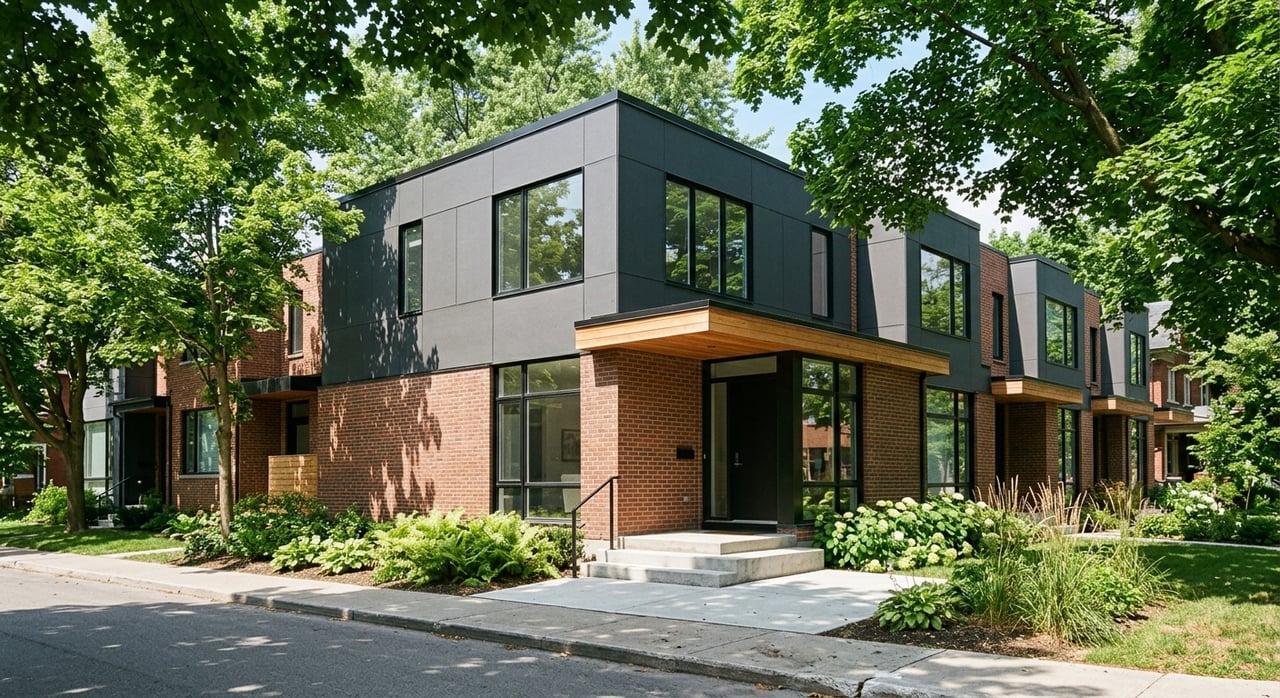
That convenience is supported by the district itself. Cherry Creek North highlights more than 600 trees across the area, along with year-round landscaping, lighting, tree and flower care, and security. Those details shape the experience of simply walking to coffee, meeting friends, or heading out for dinner.
For many residents, that polished streetscape is part of the value. The neighborhood feels built for movement and activity, whether you are heading to a boutique, grabbing groceries nearby, or spending part of the afternoon outdoors.
Shopping and Dining Within Reach
One of Cherry Creek’s biggest lifestyle advantages is how much variety is packed into a relatively compact area. Cherry Creek North lists 75+ fashion and local boutiques, 30+ spas and fitness centers, 50+ restaurants and bars, and 175+ small businesses.
Visit Denver notes that Cherry Creek North and the shopping center together offer more than 300 stores, 75 cafes and restaurants, 50 spas and salons, and five hotels. It also reports that more than 70% of Cherry Creek North’s 250 retail stores are locally owned, which gives the district a more independent feel than many upscale retail areas.
At Cherry Creek Shopping Center, you will find more than 160 shops and 40+ exclusive-to-market brands, along with a dine-in movie theater and well-known dining options. That means your everyday choices can range from quick and practical to more social and indulgent, depending on the day.
Dining Options for Real Life
Cherry Creek’s food scene supports both everyday routines and special plans. Visit Denver highlights a range that includes higher-end spots like Matsuhisa Denver and Narrative, along with casual favorites such as Cherry Cricket and Cherry Creek Beer Garden.
That range matters if you want a neighborhood that works beyond weekends. You can keep things simple on a busy weeknight, meet friends for brunch, or plan a more polished night out without leaving the area.
For many people, this is what makes Cherry Creek feel livable rather than purely destination-oriented. It gives you options that fit workdays, weekends, and everything in between.
Events That Keep the Area Social
A neighborhood can have great shops and restaurants, but recurring events often shape whether it feels truly lived-in. Cherry Creek North’s BID lists signature programming such as the Summer Concert Series, Sidewalk Sale, Cherry Creek Arts Festival, and holiday events.
Visit Denver also points to the Cherry Creek Fresh Market, which runs in summer on Saturdays and Wednesdays with local produce and prepared food. Events like these can make the district feel more like a community hub and less like a place people only visit for errands.
If you enjoy having something going on nearby, Cherry Creek offers that built-in social calendar. You can participate as much or as little as you want, but the activity is part of the neighborhood’s everyday identity.
Outdoor Access Is a Major Perk
For all its urban convenience, Cherry Creek also gives you strong access to outdoor space and recreation. That balance is a big reason the area appeals to people who want city living without feeling cut off from fresh air and movement.
Visit Denver notes that the Denver Botanic Gardens at York Street offers 24 acres of gardens and collections. It also highlights Four Mile Historic Park, a 12-acre historic site that includes Denver’s oldest standing structure.
Perhaps the biggest mobility and recreation feature is the 22-mile Cherry Creek Bike Path. Visit Denver says it connects to downtown and beyond, while Denver Parks and Recreation describes the Cherry Creek Trail as one of the city’s most popular and heavily used bicycle and pedestrian facilities.
Getting Around Cherry Creek
Cherry Creek is known first for walkability, but it also supports getting around in different ways. If you like the idea of handling shorter trips without always relying on a car, this area checks an important box.
The district’s walkable layout, bike path access, and streetscape improvements help support errands and local movement. RTD’s Cherry Creek facility serves bus routes 3, 3L, 24, 83D, and 83L, adding another layer of access for commuting or connecting to other parts of Denver.
In practical terms, that means your daily routine can be flexible. Some days might be mostly on foot, others by bike, and others by car or bus depending on where you are headed.
Housing Style and Home Options
Cherry Creek’s housing mix is one of the clearest clues to who the neighborhood tends to attract. In Cherry Creek North, the official residences page features many condo-style properties, including NorthCreek Residential, 250 Columbine, Clayton Lane Cherry Creek, Laurel Cherry Creek, the Residences at Fillmore Plaza, and St Paul Collection.
Broader Cherry Creek also includes upscale apartments, condos, townhomes, and houses. So while the area is often associated with luxury condominiums and low-maintenance living, it is not limited to one housing type.
This variety can appeal to different buyers. Some want a lock-and-leave residence with easy access to shopping and dining, while others want a central Denver address with more traditional home options.
Who Cherry Creek Often Appeals To
Cherry Creek can be a strong fit if you value convenience and want many daily needs within easy reach. The district’s mix of housing, recreation, dining, and mobility tends to align with buyers who prioritize lifestyle and location.
Based on the neighborhood’s layout and amenities, likely buyers often include professionals and relocation buyers who want a central base. It can also appeal to downsizers looking for condo-style or lower-maintenance living, as well as households that prefer activity and convenience over a larger yard.
That does not mean the area is one-size-fits-all. It simply means Cherry Creek tends to attract people who want an urban, amenity-rich environment and are comfortable with the steady pace that comes with it.
Market Context Matters Too
If you are considering a move here, it helps to understand where Cherry Creek sits in the broader Denver market. This is generally considered an upper-tier central Denver neighborhood.
Zillow reports an average home value of $1,231,468, and Redfin reports a March 2026 median sale price of about $1.2 million. Those figures support Cherry Creek’s premium positioning, especially for buyers comparing central Denver neighborhoods with different price points and housing types.
The neighborhood is also continuing to evolve. The 2025/2026 State of Cherry Creek report tracks major mixed-use and multifamily projects in the pipeline, including Cherry Creek West and Waldorf Astoria Residences Denver Cherry Creek.
Why Cherry Creek Stands Out
Cherry Creek stands out because it offers more than a convenient map location. It gives you a daily experience shaped by walkability, a broad mix of shops and restaurants, strong outdoor access, and housing options that support low-maintenance urban living.
For the right buyer, that can be a powerful combination. You get a neighborhood that feels polished and active, with enough amenities and movement to support a full lifestyle close to home.
If you are weighing whether Cherry Creek matches your goals, the key question is simple: do you want your neighborhood to function as part of your everyday routine, not just the place where you sleep? For many Denver buyers, that is exactly the draw.
If you are exploring Denver neighborhoods and want practical guidance on where Cherry Creek fits, Dianne Goldsmith can help you compare options and navigate your next move with local insight.
FAQs
What is everyday living like in Cherry Creek, Denver?
- Everyday living in Cherry Creek is shaped by walkability, easy access to shopping and dining, nearby recreation, and a steady mix of resident and visitor activity.
How walkable is Cherry Creek North?
- Cherry Creek North says its core district spans 16 walkable blocks and has a Walk Score of 95.
What kinds of homes are common in Cherry Creek?
- Cherry Creek includes condos, apartments, townhomes, and houses, with Cherry Creek North featuring many condo-style residences.
Does Cherry Creek have outdoor recreation nearby?
- Yes. The area offers access to the Cherry Creek Trail and Bike Path, Denver Botanic Gardens, and Four Mile Historic Park.
Is Cherry Creek a good fit for low-maintenance living?
- It can be, especially if you are looking for condo-style housing and want shopping, dining, and everyday activities close by.
How expensive is Cherry Creek compared to other Denver areas?
- Research cited here places Cherry Creek in Denver’s upper-tier central market, with an average home value of $1,231,468 and a March 2026 median sale price of about $1.2 million.